
The National Human Rights Commission (NHRC) on Friday raised fresh alarm over the escalating rate of drug abuse and illicit trafficking in Nigeria, warning that the growing menace now poses a grave threat to national security, public health, human dignity and the country’s socio-economic development.
The Commission urged the federal government, lawmakers, security agencies and other stakeholders to adopt a human rights-based approach in tackling the crisis, insisting that victims of drug dependence should receive treatment and rehabilitation rather than stigma and abuse.
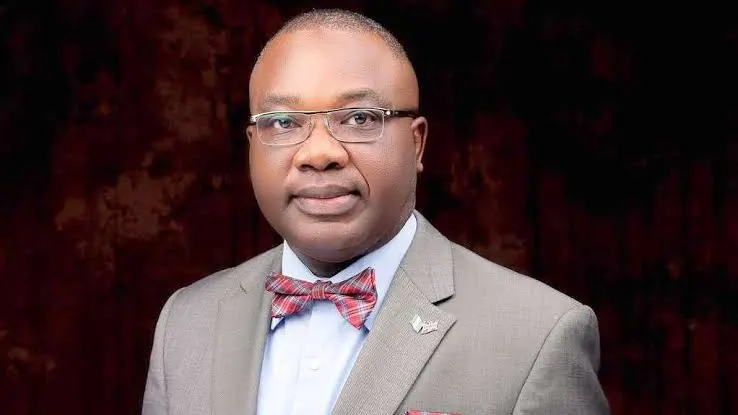
Executive Secretary of the Commission, Chief Tony Ojukwu, made the call in a statement marking the 2026 International Day Against Drug Abuse and Illicit Trafficking.
He described the increasing abuse of illicit substances, particularly among Nigerian youths, as an alarming trend requiring urgent, coordinated and sustained intervention.
According to Ojukwu, while the fight against drug trafficking must remain uncompromising, enforcement measures should strictly comply with the provisions of the 1999 Constitution, the Mental Health Act 2021, the National Health Act 2022, and Nigeria’s obligations under relevant international human rights treaties.
He said persons battling drug dependence must not be subjected to discrimination, torture or other degrading treatment but should instead have access to quality healthcare, rehabilitation services, psychosocial support and opportunities for social reintegration.
The NHRC boss further warned that widespread drug abuse has become a catalyst for domestic violence, violent crimes, human trafficking, exploitation and worsening insecurity across the country, thereby undermining the fundamental rights and freedoms guaranteed to citizens.
Ojukwu disclosed that the Commission has continued to champion a public health approach to drug use through sustained advocacy and legislative engagements aimed at promoting harm reduction policies in Nigeria.
He specifically called on the National Assembly to mainstream human rights into the proposed national policy on drug-use quantification thresholds, stressing the need to distinguish between individuals using controlled substances for genuine medical or therapeutic purposes and criminal drug traffickers.
According to him, such differentiation would ensure that those seeking treatment are not wrongly criminalised while law enforcement agencies focus on dismantling illicit drug networks.
The executive secretary also appealed to government institutions, civil society organisations, schools, families, faith-based organisations and community leaders to intensify awareness campaigns aimed at preventing drug abuse, particularly among children and youths.
He urged law enforcement agencies to strengthen the fight against illicit drug trafficking while ensuring strict compliance with national and international human rights standards in carrying out their duties.
Reaffirming the Commission’s commitment to combating the scourge, Ojukwu said the NHRC would continue collaborating with relevant stakeholders to address the root causes of drug abuse, including poverty, unemployment, social exclusion, lack of access to education and inadequate mental health services.
He called on Nigerians to work together to build a society free from drug abuse, where the rights, dignity and well-being of every individual are protected and upheld.
We’ve got the edge. Get real-time reports, breaking scoops, and exclusive angles delivered straight to your phone. Don’t settle for stale news. Join LEADERSHIP NEWS on WhatsApp for 24/7 updates →
Join Our WhatsApp Channel