
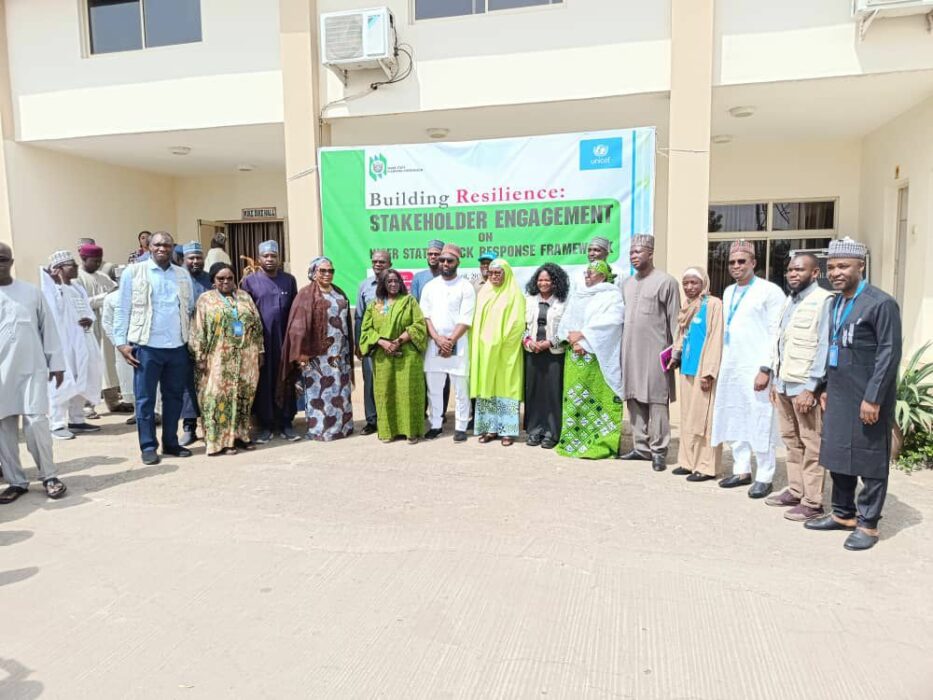
Niger State government has begun the development of the state’s shock and humanitarian response framework to mitigate effects of emergencies and recurring crises across the state.
LEADERSHIP reports that to kickstart the process, the government organised a three-day engagement workshop through the State Planning Commission with support from UNICEF Nigeria.
The workshop brought together key stakeholders to design a comprehensive strategy for addressing emergencies and recurring crises across the state.
LEADERSHIP investigation revealed that Niger is one of the most highly exposed states to compound shocks such as flooding, food crises, malnutrition, disease outbreaks, insecurity, accidents, and economic downturns in recent years.
The commissioner of the State Planning Commission Mustapha Ndajiwo stressed the urgent need for Niger to transition from reactive relief interventions to a proactive one.
He said , systems-based emergency management approach rooted in risk anticipation, resilience building, and sustainable recovery was the best way to tackle emergency situations.
Also in her remarks, the permanent secretary of the Commission, Hajiya Aishatu Usman urged participants to collaboratively develop the foundational architecture of the framework through plenary presentations, discussions, and technical working sessions.
During the sessions, the participants acknowledged that the state was highly exposed to compound shocks and noted that the challenges continue to disproportionately affect vulnerable populations across the 25 local government areas of the state.
The stakeholders emphasised the urgent need for a coordinated, evidence-based, and people-centred framework that will ensure future shocks do not lead to systemic collapse.
We’ve got the edge. Get real-time reports, breaking scoops, and exclusive angles delivered straight to your phone. Don’t settle for stale news. Join LEADERSHIP NEWS on WhatsApp for 24/7 updates →
Join Our WhatsApp Channel