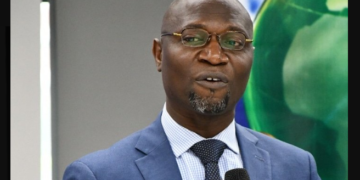
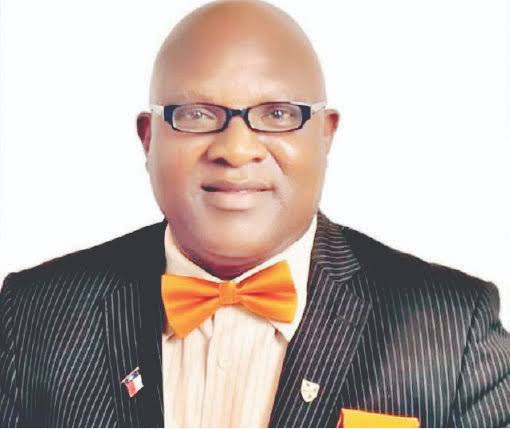
As Nigeria clocks 66 years of independence, the country scorecard has been put at average as Professor of Law and developmental economist, Prof. Tayo Bello, said Nigeria’s economic stability has been going up and down.
Speaking with Leadership, Bello commending the improvement in the economy which has seen GDP growth rise from 3.9 per cent to 4.3 per cent, as against 3.9 per cent, said the growth has not translated into better welfare for the citizens of the country.
According to him, the devaluation of the naira, had eroded the purchasing power of many as “people are not faring fantastically. People who were earning lower salaries, around N17,000 or N20,000, had better purchasing power than those earning N70,000 wage. Today, the purchasing power of the naira has declined significantly.
He noted that the withdrawal of petroleum subsidy, had also created a lot of hardship as transportation costs went up, translating to increased the prices of goods and services.
In technology and advancement.
He however noted that Nigeria is not doing as badly as people portray it, saying “we have stabilised, and we are still moving forward. The important thing is to project into the future and make sure that things are put in place.
“There should be improvement in infrastructure. Roads should be properly constructed, and there should be provision of health services. Nigeria is an oil-producing nation, and there should be social support for elderly people from the age of 65. Certain stipends should be paid to them. They do it abroad; it is called a social welfare economy.
We’ve got the edge. Get real-time reports, breaking scoops, and exclusive angles delivered straight to your phone. Don’t settle for stale news. Join LEADERSHIP NEWS on WhatsApp for 24/7 updates →
Join Our WhatsApp Channel