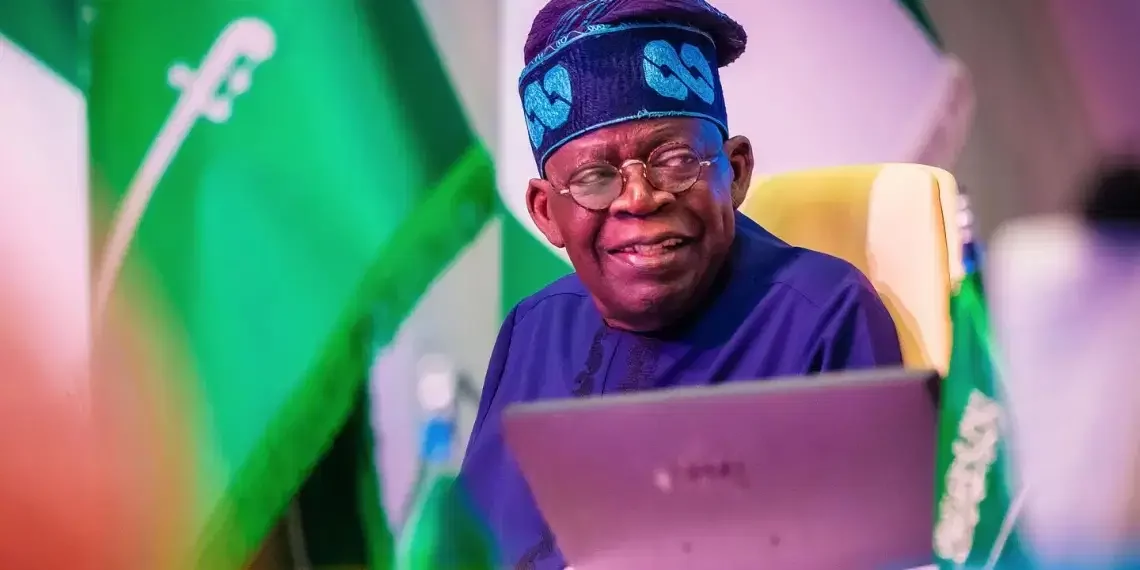
President Bola Tinubu’s address to the G20 Summit in Johannesburg, South Africa, articulated ambitious goals for Africa’s economic future. Speaking through Vice President Kashim Shettima, the Nigerian leader called for global frameworks ensuring fair value from critical minerals, advocated debt relief for developing nations, and supported ethical AI standards.
These are legitimate concerns that resonate across the developing world.Tinubu told G20 leaders that “for Nigeria and Africa, critical minerals are more than natural deposits—they hold the promise of industrial transformation for the continent.”
This promise is real. Africa possesses substantial reserves of lithium, cobalt, and rare earth elements critical for the green energy transition. Nigeria itself has significant mineral deposits that remain largely undeveloped. The challenge lies not in recognizing this potential but in explaining why it remains unrealized after decades of independence.
The President called for “a global framework that promotes value addition at the source, supports local beneficiation, and ensures that communities hosting these resources are not left behind.” This principle deserves support.
However, Nigeria’s track record in implementing local beneficiation policies tells a different story. Our mining sector remains largely artisanal and informal. Most mineral extraction involves shipping raw materials abroad for processing, perpetuating the colonial economic model we claim to have transcended. Foreign companies dominate formal mining operations while illegal miners operate with limited regulatory oversight.
Communities hosting mineral resources in Nigeria frequently see minimal benefit from extraction activities. The lead poisoning crisis in Zamfara State from unregulated gold mining, which killed hundreds of children, illustrates what happens when mineral extraction proceeds without adequate oversight or community protection. Tin mining in Plateau State has left environmental damage that persists decades later.
Before demanding that the G20 ensure fairness in global mineral trade, Nigeria would strengthen its position by demonstrating improved management of domestic mineral resources.
The President emphasized transparency and accountability in mineral extraction and trade. These are essential principles. Yet Nigeria’s most developed extractive industry—petroleum—continues struggling with transparency issues despite years of reform efforts. Oil theft costs the nation billions annually. Questions persist about the Nigerian National Petroleum Company Limited’s operations and subsidy mechanisms.
Tinubu stated that “the issue before us reaches far beyond the narrow arithmetic of economics and speaks to the moral character of the world we aspire to build.”
Sadly,mineral-rich states within Nigeria often rank among the poorest, suggesting that resource wealth alone guarantees nothing without effective governance and equitable distribution systems.
On debt burden, President Tinubu noted that rising obligations “drag economies back into cycles of fragility,” transforming “local difficulties into global vulnerabilities.”
This accurately describes challenges facing many developing nations, Nigeria included. However, debt problems often reflect not just external constraints but domestic policy choices.
Advocating for debt relief makes sense, but credibility requires demonstrating improved fiscal management and transparent use of borrowed resources.
The President’s support for “global ethical standards for AI” that ensure technology becomes “a tool of empowerment, not exclusion; of job creation, not displacement” reflects forward thinking. Artificial intelligence will reshape economies globally, and developing countries deserve participation in setting governance standards.
But Nigeria’s preparedness for the AI economy warrants examination. Our education system faces chronic challenges. Electricity supply remains unreliable—a fundamental obstacle to digital economy participation. Internet access and broadband penetration lag regional peers.
Tinubu mentioned investing in “future-ready skills by empowering Nigerian youths through digital literacy, vocational training, and entrepreneurship” under the Renewed Hope Agenda. These are necessary initiatives.
The President urged G20 leaders to “deepen collaboration on technology transfer, capacity building, and inclusive investments.” Technology transfer succeeds when recipient countries possess absorptive capacity—functioning institutions, reliable infrastructure, and trained personnel capable of utilizing transferred technology.
Nigeria’s struggles maintaining infrastructure built through foreign partnerships, from power plants to refineries, suggest capacity constraints that should be addressed alongside calls for increased technology transfer.
Tinubu’s vision of Africa as “not merely a supplier of raw materials, but a continent of value creation, innovation, and dignity in work” is worth pursuing. Moving beyond primary commodity export requires consistent policy implementation, investment in human capital, infrastructure development, and institutional strengthening.
Nigeria has advantages supporting this transition—a large domestic market, substantial natural resources, and a young population. Converting these advantages into industrial development has proven elusive across successive administrations.
The President wants the G20 to “address systemic bias and foster sustained multilateral dialogue to ensure that the benefits of AI are shared equitably.” Global equity matters.
In our view ,President Tinubu should consider that the most effective foundation for Nigeria’s global advocacy lies in strengthening domestic governance.
The G20 will acknowledge Nigeria’s concerns, as these forums typically do. Whether acknowledgment translates into meaningful reform depends partly on whether advocating countries demonstrate they’ve exhausted domestic reform options and can effectively utilize external support.
The fair and just future President Tinubu envisions for Africa requires fair and just governance within African nations. International frameworks matter, but domestic institutions, policies, and leadership determine whether countries capture value from resources, manage debt sustainably, and participate effectively in new technology economies.
Nigeria possesses the resources and human capital for transformation. Converting potential into reality demands governance improvements at least as much as it requires global system reforms.
We’ve got the edge. Get real-time reports, breaking scoops, and exclusive angles delivered straight to your phone. Don’t settle for stale news. Join LEADERSHIP NEWS on WhatsApp for 24/7 updates →
Join Our WhatsApp Channel