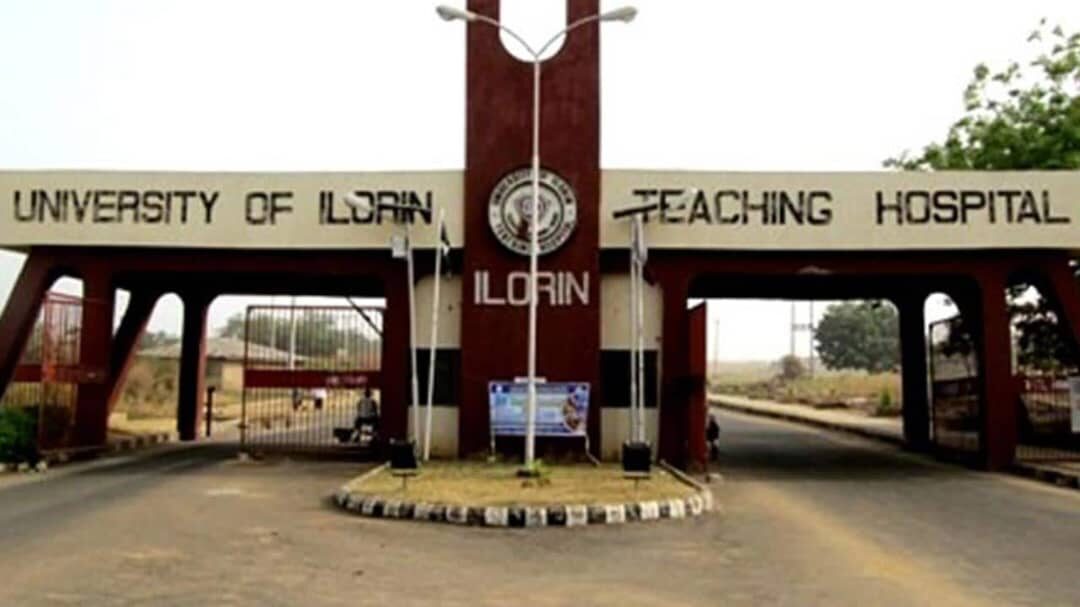
President of the Association of Resident Doctors (ARD), University of Ilorin Teaching Hospital (UITH) chapter, Monsuru Awodun, has raised serious concerns over what he described as the deteriorating state of Nigeria’s healthcare system.
Awodun made the remarks in Ilorin, Kwara State capital, at a press briefing held as part of activities marking the 42nd Annual General Meeting and the Sir Ademola Aderibigbe Scientific Conference, 2025.
The event focused on the theme: “Leveraging Medical Residency Training as a Catalyst for Healthcare Policy Reforms in Nigeria.”
Addressing the ongoing nationwide strike by resident doctors, Awodun highlighted the disparity in remuneration between Nigerian doctors and their counterparts in other African and European nations.
He stressed that the current industrial action is a symptom of systemic failure.
According to him, the protracted strike could have been avoided if the health sector was functioning effectively.
“If the system is working, we will not go on strike. There are doctors who cannot pay school fees for their children or maintain their cars. The healthcare sector is going down. We had a National Executive Council (NEC) meeting, and the total, indefinite, and comprehensive strike action continues,” he said.
He described resident doctors as frontline workers who remain dedicated to improving healthcare delivery for both the public and medical professionals.
Awodun, however, noted that the situation at UITH mirrors a national crisis, with acute manpower shortages crippling several tertiary hospitals.
He explained that many departments were currently operating with far fewer staff than required.
“Many departments are functioning with less than half of the required workforce. The growing patient load continues to increase, while the number of doctors available to attend to them keeps decreasing.
“The situation has stretched our members to their limits and is negatively affecting service delivery, training, and patient outcomes,” he lamented.
Awodun also raised alarm over the escalating rate at which trained resident doctors were resigning or relocating abroad in search of better working environments, describing the trend as unprecedented and worrisome.
He further identified poor remuneration, inconsistencies in the salaries of newly recruited doctors, and inadequate hazard allowances as some of the pressing issues the government must urgently address.
The ARD-UITH president also warned that overwhelming workloads are contributing to burnout and fatigue, increasing the likelihood of medical errors and negatively affecting the well-being of doctors.
In order to address this, he called for the implementation of safer and more manageable call-hour policies that prioritise the safety of both healthcare workers and patients.
Despite the enormous challenges, Awodun noted that ARD-UITH has made notable progress.
He revealed that the association successfully mobilised over N70 million for the construction of 11 self-contained apartments for members and medical students.
“We advocated for and achieved the employment of 48 new resident doctors by the hospital management to reduce workload and curb burnout among our members,” he added.
He also explained that the association had organised its maiden entrepreneurship seminar aimed at equipping members with practical financial skills.
We’ve got the edge. Get real-time reports, breaking scoops, and exclusive angles delivered straight to your phone. Don’t settle for stale news. Join LEADERSHIP NEWS on WhatsApp for 24/7 updates →
Join Our WhatsApp Channel