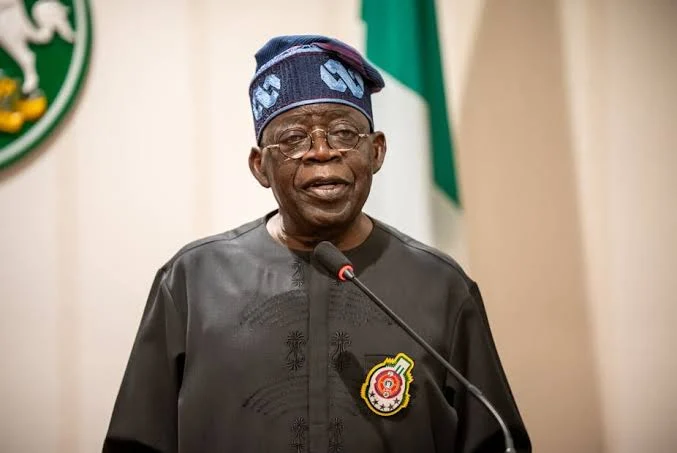
The Grassroot Mobilisation Initiative has said Nigeria was “living a borrowed life” before President Bola Tinubu assumed office, insisting that recent economic reforms were long overdue.
Its national coordinator, Sama’ila Musa, stated this yesterday during an interview with journalists in Abuja.
Musa said the removal of fuel subsidy marked a turning point in the country’s economic direction, describing it as a decision previous administrations avoided.
“Subsidy was one of the major things dragging this country back. We were living a fake life. President Tinubu came in boldly from day one and removed it,” he said.
He argued that former leaders, including Muhammadu Buhari, had attempted to end the subsidy regime but stepped back due to public pressure and fear of losing political goodwill.
According to him, the Tinubu administration has begun repositioning the economy, citing increased non-oil revenue and improved foreign reserves as signs of progress.
“In one month alone, non-oil revenue crossed over N3tn. That shows the economy is being diversified. Our foreign reserves are also improving. These are not small achievements,” Musa added.
While acknowledging the hardship faced by Nigerians since the reforms began, he maintained that the pain was part of the price required to stabilise the country.
“There is nothing free anywhere. Somebody pays for it. For years, we postponed difficult decisions. Now we must correct the mistakes of the past,” he said.
Musa dismissed allegations that funds saved from subsidy removal were being used to bribe opposition politicians, describing the claims as unsubstantiated.
“As far as we are concerned, those are mere allegations. There is no evidence,” he said.
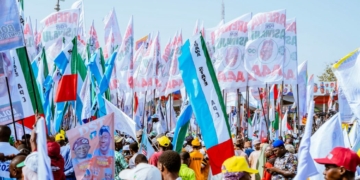
On the 2027 general election, the GMI coordinator said the group had commenced grassroots mobilisation in support of Tinubu’s re-election, working through community structures and local platforms.
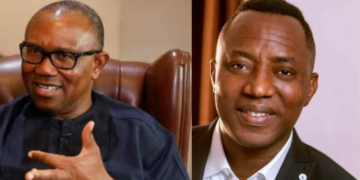
He also criticised opposition figures such as Atiku Abubakar and Peter Obi, alleging internal divisions within their camps.
Musa maintained that governance was a collective responsibility, urging Nigerians to change their mindset and support reforms aimed at long-term development.
“Governance starts with me and you. If we want Nigeria to move forward, we must all play our part,” he said.
We’ve got the edge. Get real-time reports, breaking scoops, and exclusive angles delivered straight to your phone. Don’t settle for stale news. Join LEADERSHIP NEWS on WhatsApp for 24/7 updates →
Join Our WhatsApp Channel