Nigeria will require about $23 billion to bridge electricity access gaps in underserved and unserved communities across the country, the Rural Electrification Agency (REA) has said.
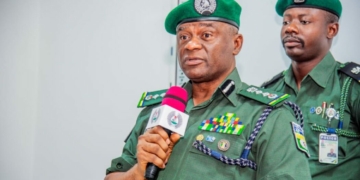
Managing Director of the agency, Abba Aliyu, disclosed this in Abuja during the launch of a solar microgrid project at the United Nations House.
Aliyu said the estimate followed a nationwide electricity access mapping exercise conducted by the agency.
According to him, the exercise identified about 143,000 communities across Nigeria with varying levels of electricity access.
He explained that while some communities have partial access to electricity, many others remain completely unserved, highlighting the scale of the country’s energy access challenge, ARISE News reported.
Aliyu noted that addressing the gap would require significant investment in decentralized and renewable energy solutions, particularly solar-based systems.
He said the REA has been deploying off-grid power solutions, including solar mini-grids and standalone systems, to bring electricity to rural and remote communities.
The agency believes these solutions provide a faster and more cost-effective approach to expanding power access in areas that are difficult to reach through the national grid.
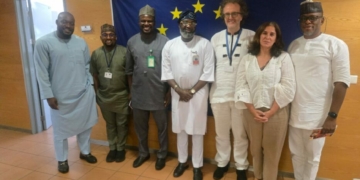
At the event, officials also launched a solar microgrid project at the UN House in Abuja.
According to the REA, the project is expected to significantly reduce energy costs at the complex while improving reliability of power supply.
Aliyu said the solar installation could cut electricity costs at the facility by about 40 per cent annually. He noted that the project also demonstrates the potential of renewable energy solutions to lower operational costs and support sustainable energy transition in Nigeria.
We’ve got the edge. Get real-time reports, breaking scoops, and exclusive angles delivered straight to your phone. Don’t settle for stale news. Join LEADERSHIP NEWS on WhatsApp for 24/7 updates →
Join Our WhatsApp Channel