Nigeria risks missing out on opportunities in the rapidly growing global futsal landscape unless the Nigeria Football Federation (NFF) steps up investment in infrastructure, coaching, refereeing and youth competitions.
The warning comes amid FIFA’s disclosure that it has invested more than $100 million in futsal development since 2016, supporting over 100 projects worldwide through its Futsal World Cups and FIFA Forward development programme.
The investment covers the construction and improvement of facilities, organisation of competitions, development of national teams and training of coaches and referees, providing a framework that African countries could adopt to strengthen the sport.
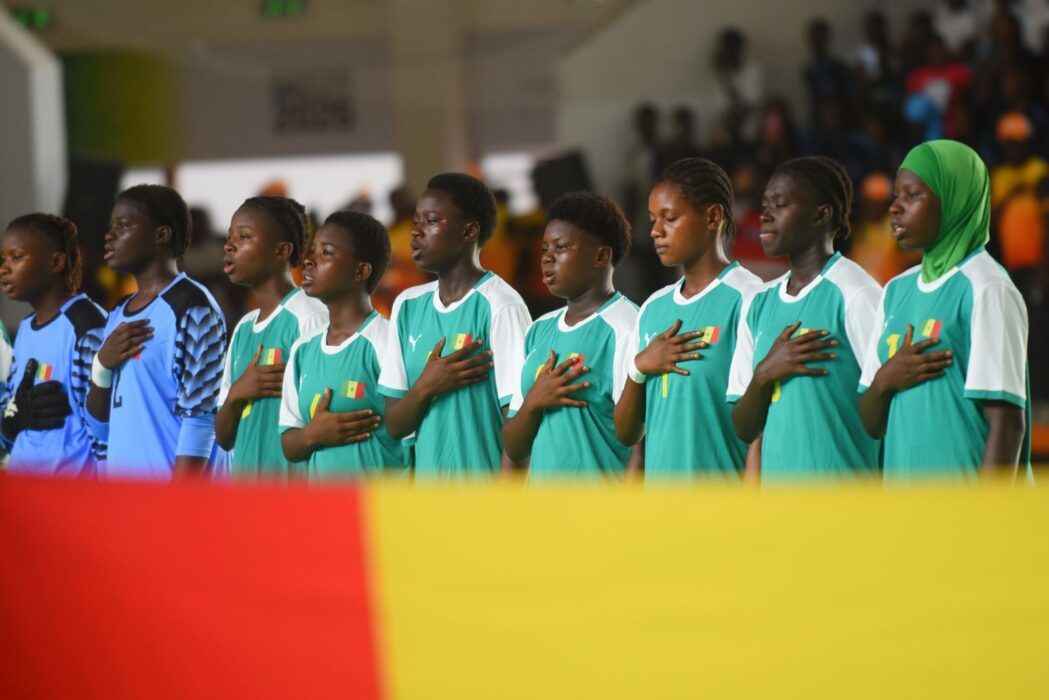
FIFA highlighted the progress during the Dakar 2026 Youth Olympic Games, where host nation Senegal has demonstrated the potential of futsal to attract young players, generate public interest and strengthen the country’s football development structure.
The standard of competition at the Games has also improved considerably since the inaugural Youth Olympic futsal tournament in Buenos Aires in 2018.
FIFA Technical Study Group experts Graeme Dell and Rute Carvalho observed improvements in tactical organisation, individual technique and game management among participating teams.
Dell noted that more teams were now displaying clear tactical plans and better control of match tempo, compared with the first edition in 2018. Cameroon’s women’s team was also praised for its progress against stronger opponents.
Senegal’s development programme provides an example of how sustained investment could benefit African countries.
The Senegalese Football Federation has invested in youth national teams and secured FIFA support for a dedicated futsal playing surface, which is expected to provide a lasting facility for developing young talent.
Federation President Abdoulaye Fall said the country intended to expand futsal infrastructure nationwide and introduce more domestic competitions to increase participation.
He stressed the need for additional pitches and regular national tournaments, working with technical teams to establish a sustainable development structure.
FIFA Head of Olympics, Futsal and Beach Soccer, Kasra Haghighi, said the enthusiasm generated by the Dakar competition demonstrated the sport’s growth potential in Senegal and across Africa.
He also commended the Senegalese federation for investing in its youth teams, noting that both the men’s and women’s sides had secured victories against some of the leading futsal nations.
For Nigeria, however, the developments raise questions about the level of attention given to futsal within the country’s football development agenda.
Despite its large population, strong football culture and abundance of young talent, Nigeria needs a more structured approach to the discipline, particularly in providing dedicated playing facilities, specialised coaching, qualified referees and regular youth competitions.
The NFF could utilise FIFA’s development framework to establish futsal programmes across the country, beginning with schools, grassroots academies and state football associations.
Developing indoor and outdoor futsal facilities, organising coaching and refereeing courses, and introducing age-grade competitions would provide a pathway for young players to acquire the technical skills, speed of decision-making and tactical awareness required by the sport.
Regular national leagues and stronger men’s and women’s national teams would also help Nigeria build the competitive experience needed to challenge established futsal nations.
Beyond producing specialist players, investment in futsal could strengthen the country’s wider football development by exposing young players to a format that demands close control, quick passing, movement and rapid decision-making in confined spaces.
FIFA’s investment of more than $100 million since 2016 presents an opportunity for African federations to strengthen their domestic structures and expand participation.
However, Senegal’s experience at Dakar 2026 suggests that financial support must be matched by infrastructure, consistent competitions and long-term commitment from national federations.
For Nigeria, the challenge is to move beyond occasional participation in international futsal competitions and establish a sustainable development programme capable of producing players, coaches and referees for the future.
We’ve got the edge. Get real-time reports, breaking scoops, and exclusive angles delivered straight to your phone. Don’t settle for stale news. Join LEADERSHIP NEWS on WhatsApp for 24/7 updates →
Join Our WhatsApp Channel