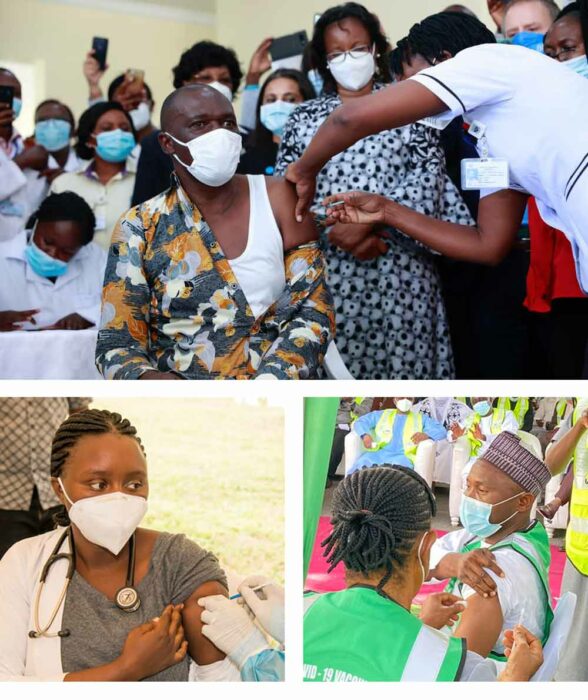
The federal government has disclosed that Nigeria spends about $150 million each year on vaccine procurement, even as it expands malaria vaccination to additional states.
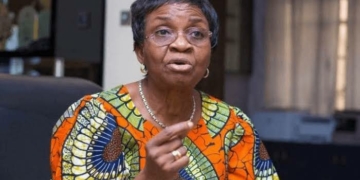
The executive director of the National Primary Health Care Development Agency (NPHCDA), Dr. Muyi Aina, disclosed this on Tuesday during the agency’s first quarterly media briefing for 2026 in Abuja.
Aina explained that funding for vaccines comes from a combination of federal government allocations and support from development partners, particularly Gavi the Vaccine Alliance. However, he noted that donor support has began to decline.
“Countries are now expected to increase domestic financing as global donor resources continue to shrink,” he said.
He added that vaccine financing covers not only procurement but also outbreak response and logistics, including syringes, waste management systems, and cold chain equipment. Operational costs for nationwide immunisation delivery also account for a significant share of government spending.
On malaria control, Aina said the malaria vaccine rollout has been expanded from the initial pilot states of Bayelsa and Kebbi to Bauchi and Ondo, following readiness assessments.
He noted that the vaccine requires four doses, which poses a challenge in ensuring that children complete the full schedule.
“Now, what’s unique about the current malaria vaccine is that for it to be fully effective, you have to take four doses, which we are still learning from. You know, many of our vaccines you take once, maybe twice.
“Now we have one that you have to take four times, and what we find is that sometimes there’s a dropout between each stage. So we are working through systems. We have learned how to successfully bring people back four times for the vaccine,” he explained.
He disclosed that Bayelsa has administered about 68,000 doses, Kebbi 153,000, Bauchi 66,000, and Ondo over 7,000 doses so far.
Aina added that dropouts between doses have prompted the government to strengthen tracking and follow-up systems.
Providing updates on vaccine stock, he said about 600,000 doses are currently stored within the national cold chain system.
In terms of coverage, he revealed that 984,559 children in Kebbi and Bayelsa have received at least one dose, while Ondo has recorded about 166,342 children and Bauchi about 105,890.
“This brings the total number of children reached to almost 1.3 million,” he said, describing vaccines as one of the safest and most cost-effective medical interventions available.
He noted that they are cheaper than many common treatments, including those for malaria, emphasising that vaccines undergo rigorous safety testing and that their benefits far outweigh potential risks.
While acknowledging that all medical interventions may have side effects, he stressed that vaccines remain among the most thoroughly tested and safest preventive tools.
He called for sustained public trust in health workers and immunisation programmes, noting that the government is also investing in incentives and workforce strengthening to improve vaccine delivery.
We’ve got the edge. Get real-time reports, breaking scoops, and exclusive angles delivered straight to your phone. Don’t settle for stale news. Join LEADERSHIP NEWS on WhatsApp for 24/7 updates →
Join Our WhatsApp Channel