The federal government is meticulously pursing its refinery rehabilitation deal with Saudi Arabia despite fears expressed by some analysts with industry knowledge.
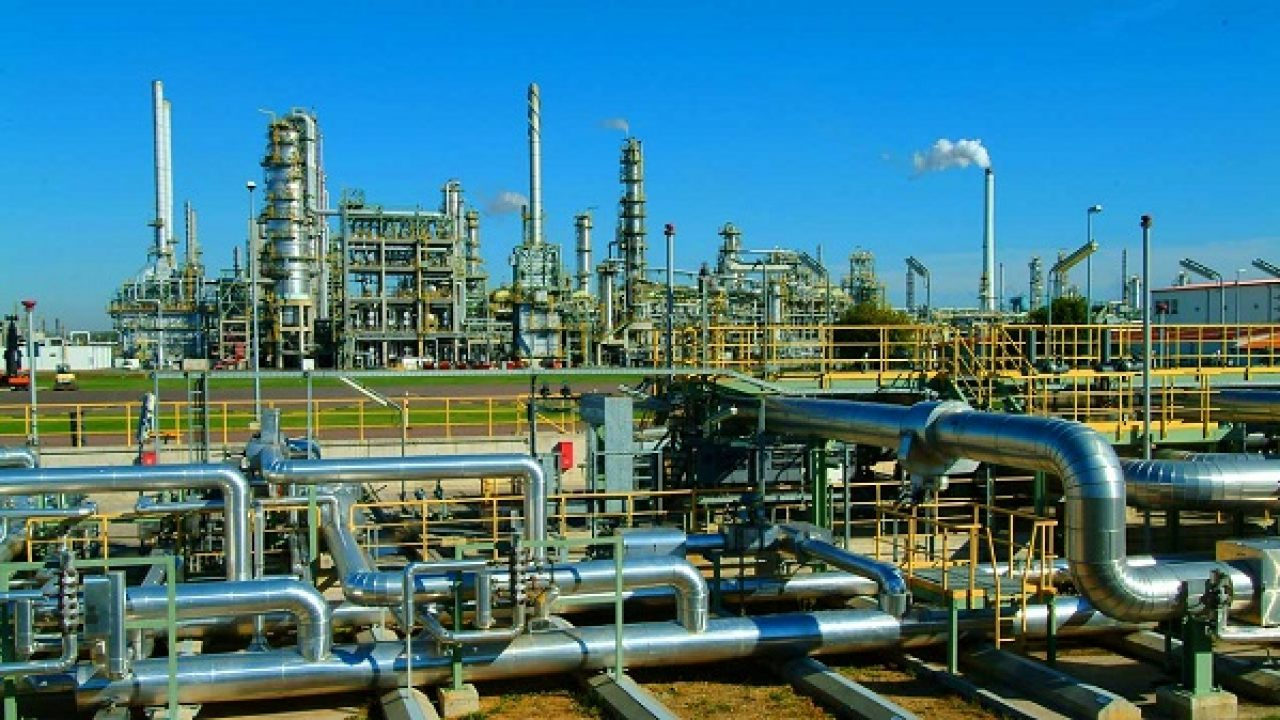
The deals included a pledge by Saudi officials to fix Nigeria’s four broken oil refineries, which haven’t worked in years, forcing the country to import all of its fuel.
The federal government say it will finalise the details of the deal with Saudi Arabia within six months as many doubt the positive outcome of the agreement.
A report published by VOA, quoted Emmanuel Afimia, founder of Enermics, a Lagos based oil and gas consulting firm, as being skeptical about the success of the deal.
“This administration is showing a reasonable level of political will to make things happen. I’ll most definitely like to wait until the technical details of this deal comes out but from where I’m looking at it, I don’t think it’s gonna be possible,” he said.
If the refineries functioned, Nigeria could process around 450,000 barrels of crude oil into fuel every day.
However, Nigerian experts are hopeful that deals reached last week with Saudi Arabia will boost local oil production and help grow the economy.
The agreements between Nigeria and Saudi Arabia were made on the sidelines of the first ever Saudi-Africa summit held in Riyadh last week.
President Bola Tinubu met with Saudi Crown Prince Mohammed Bin Salman as part of his government’s efforts to attract investors, in a bid to reverse Nigeria’s economic slide.
Saudi officials pledged to fix Nigeria’s four refineries, located in Rivers, Delta and Kaduna states. None of the refineries have worked in years, forcing the country to rely on imports for fuel despite producing more than a million barrels of crude oil per day.
Fixing the refineries is expected to take about two years, according to a government official who spoke to journalists after last week’s agreement.
Saudi Arabia also pledged to deposit huge sums of foreign exchange to boost Nigeria’s dwindling reserves worsened by the government’s floating of the national currency in June in a bid to unify the exchange rate system.
Faith Nwadishi, the executive director of the Center for Transparency Advocacy in Abuja, welcomes the Saudi deal.
“Considering the success that Saudi Arabia has made with their refineries and the natural resource that they have, one thing this will be able to achieve is to help Nigeria meet its production quota, help Nigeria resolve some of the conflicts around this issue of subsidy and non-operationalisation of the four refineries that we have,” said Nwadishi.
Upon taking office in May, President Tinubu embarked on bold economic reforms including scrapping of the popular but expensive fuel subsidy, in a bid to decrease debt and attract more investments.
Fuel prices since then have soared, lending urgency to the need for domestic fuel production.
President Bola Tinubu has scrapped a decades long government-funded subsidy, leading to long lines at fuel stations as drivers scrambled to stock up before costs rise.
Nwadishi said the government first needs to be careful and subject the Saudi agreement to public scrutiny.
“What are the terms? Will government be willing to make these terms available to Nigerians so that we can really look and be able to assess them very objectively? What is it that we’re giving away? Are we giving over the entire management of our refineries to Saudi Arabia or they’re coming to give us technical assistance? Right now, it’s not very clear what the terms are,” she said.