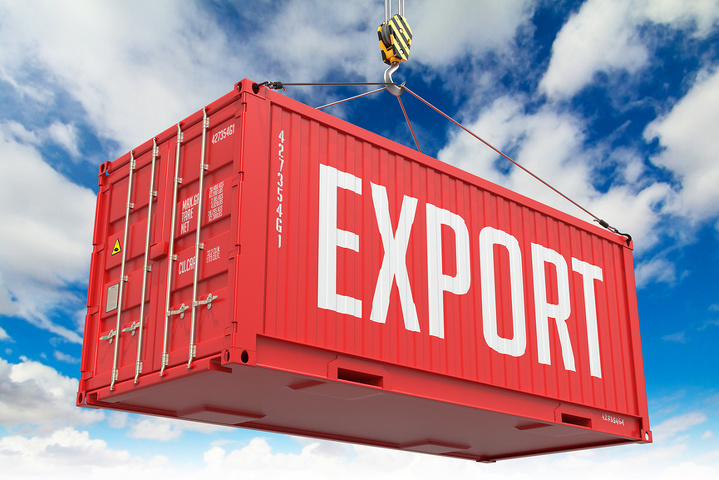
An expert in Nigeria’s agricultural sector, Ademola Adesokan, has identified high borrowing costs, weak infrastructure, and post-harvest inefficiencies as major factors undermining the country’s competitiveness in global commodity markets.
He said Nigeria has strong agricultural potential but continues to struggle with structural challenges that prevent exporters from competing effectively with leading commodity producers.
Speaking with LEADERSHIP, Adesokan, who is also the national president of the National Cashew Association of Nigeria (NCAN), said Nigerian agro-exporters face severe financing disadvantages compared to competitors in countries such as Côte d’Ivoire, Vietnam, and India, where agricultural financing is more affordable, and export systems are more efficient.
According to him, while Nigeria has comparative advantages in commodities including cashew, shea, cocoa, sesame, soya, and groundnut, most local farmers still operate at the subsistence level, limiting the country’s ability to achieve economies of scale required for competitive export pricing.
He explained that the high cost of borrowing remains one of the biggest obstacles facing agro-exporters, noting that Nigerian exporters often secure loans at double-digit interest rates, while their counterparts in rival producing countries access credit facilities at rates between three and four per cent.
The NCAN president said the financing gap significantly reduces export margins and weakens Nigeria’s ability to attract premium international buyers.
He also pointed to poor post-harvest handling and port inefficiencies as major contributors to declining export quality and rising rejection rates in international markets.
According to him, inadequate drying facilities, unsafe storage conditions, and prolonged port delays frequently result in Nigerian agricultural commodities arriving at destination markets below acceptable quality standards.
Adesokan said these challenges have continued to damage Nigeria’s reputation as a reliable export origin, despite the country’s agricultural potential.
He, however, expressed optimism about the ongoing reforms under the Nigeria Industrial Policy 2025, being championed by President Bola Tinubu’s administration and coordinated at the commodity level by the Minister of State for Industry, John Owan Enoh.
He said the policy framework aims to address commodity-specific challenges through targeted industrial strategies, improved quality standards, and enhanced traceability systems for agricultural exports.
He said, “Our challenges are structural, not agricultural. Our export sector is predominantly driven by smallholder farmers operating at a subsistence level, which prevents us from unlocking the economies of scale that enable competitors in Côte d’Ivoire, Vietnam, and India to be price-dominant in global markets.
“Nigerian farmers and agro-exporters continue to borrow at punishing double-digit interest rates, while counterparts in competing origins access agricultural credit at three to four per cent. That financing differential alone erodes our export margins before the commodity leaves the farm.
“The challenge is further deepened by post-harvest losses and port inefficiencies that are particularly devastating for agricultural commodities, which are by nature time-sensitive,” he added.
“What has historically been lacking is the institutional discipline to organise that potential into a globally competitive supply chain. That window is now open, and the sector associations are ready to walk through it.”
We’ve got the edge. Get real-time reports, breaking scoops, and exclusive angles delivered straight to your phone. Don’t settle for stale news. Join LEADERSHIP NEWS on WhatsApp for 24/7 updates →
Join Our WhatsApp Channel