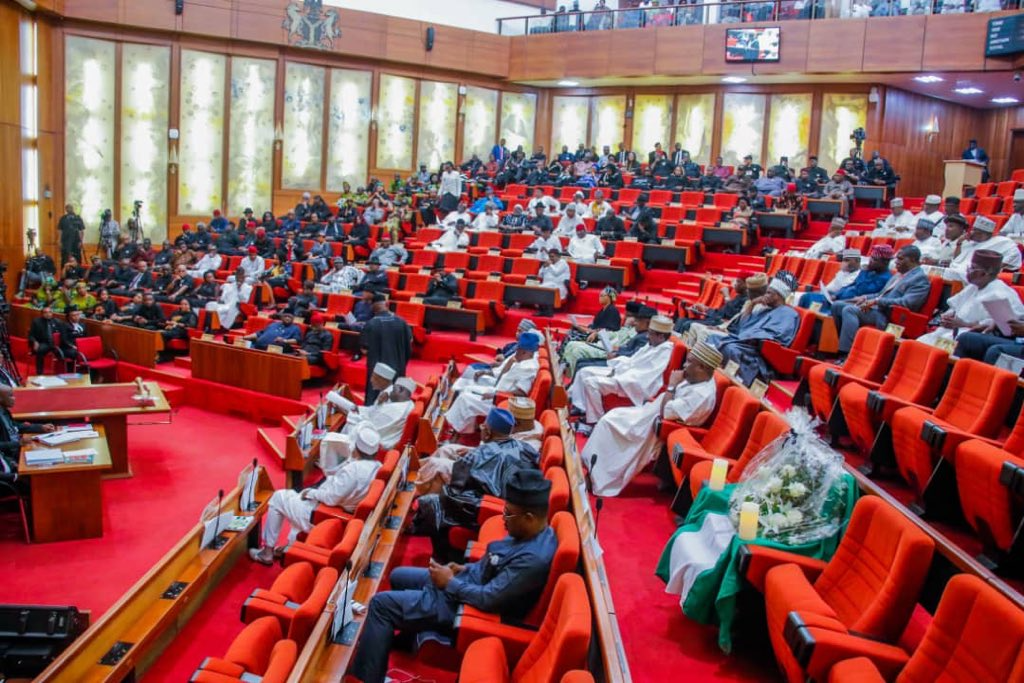
Women leaders in Nigeria have appealed to the National Assembly to urgently pass the Special Seats for Women Bill, describing it as a historic opportunity to address decades of underrepresentation in Nigeria’s political system.
They made the call in Abuja during the FCT Women O’Clock Post-CSW70 Leadership Meeting, themed “Women Leaders Champion Post-CSW70 Agenda,” organised by the mandate secretary of the Federal Capital Territory Administration (FCTA), with support from the United Nations.
The minister of Women Affairs and Social Development, Imaan Sulaiman-Ibrahim, represented by Princess Jumai Idonije, described the proposed legislation as a defining moment in Nigeria’s democratic history.
She noted that the persistent gender gap in political representation was not due to a lack of competence or capacity among women, but rather to longstanding structural and systemic barriers.
According to her, the Special Seats Bill offers a constitutional and time-bound mechanism to correct this imbalance by creating additional seats exclusively for women, a move she said is critical to strengthening inclusivity and deepening democracy.
The minister reaffirmed the federal government’s commitment to advancing gender equality and women’s empowerment, describing it as essential for inclusive governance, justice, and sustainable development.
She stressed the importance of moving beyond policy domestication to full implementation, including proper gazetting and funding of laws such as the Violence Against Persons (Prohibition) Act and the Child Rights Act.
The mandate secretary of the FCTA, Adedayo Benjamins-Laniyi, underscored the importance of measurable results, noting that rights must be upheld, justice must be enforced, and action must be sustained.
She highlighted the growing influence of women in driving social change, particularly through grassroots engagement involving wives of traditional rulers and local government leaders, which has contributed to advocacy against harmful traditional practices in the FCT.
Also, UN Women country representative to Nigeria and ECOWAS, Beatrice Eyong, emphasised the need to strengthen access to justice for women and girls, noting that rights, justice, and action remain central to achieving gender equality.
She referenced outcomes from the 70th session of the Commission on the Status of Women (CSW70), held in New York in March 2026, where member states reaffirmed that access to justice for women is non-negotiable for sustainable development.
Eyong stressed that eliminating discriminatory laws, addressing structural barriers, and building gender-responsive legal systems are essential steps toward ensuring full rights and freedoms for women and girls.
Similarly, the director-general of the National Agency for the Prohibition of Trafficking in Persons (NAPTIP), Binta Lami Bello, called on women to speak out and demand action, stressing that advocacy must go beyond dialogue to tangible results.
She noted that NAPTIP has recorded significant progress in supporting victims of trafficking, urging women to actively engage with institutions to ensure their voices are heard.
We’ve got the edge. Get real-time reports, breaking scoops, and exclusive angles delivered straight to your phone. Don’t settle for stale news. Join LEADERSHIP NEWS on WhatsApp for 24/7 updates →
Join Our WhatsApp Channel