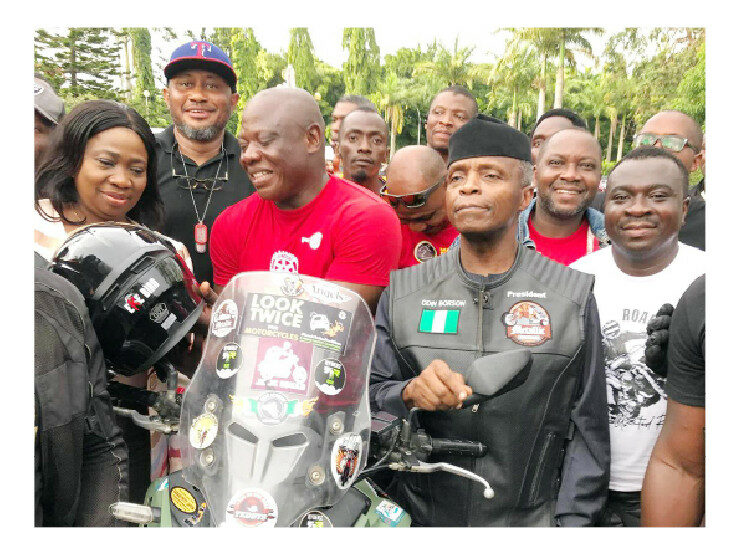
Nigeria’s biking community is growing fast, with louder engines, larger formations on highways, and a vibrant subculture built on freedom, friendship, and discipline. Yet, behind the helmets and leather jackets lies a world many Nigerians still misunderstand. For years, bikers have been labelled gangsters, drug couriers, or simply reckless thrill-seekers. Conversations with members of the community, including veteran rider and AI Cloud Engineer Michael Anderson, also known as “Cowboy”, the founder of Riders Fora Worldwide, revealed a much more layered world.
Mr Anderson’s entry into biking mirrors the origin story of many riders: an early fascination with the sound and feel of motorcycles. His group, Riders Fora Worldwide, was born from a solo road trip to Cameroon in 2011, when he created a BBM group to share his journey with fellow riders, long before WhatsApp reshaped social communities. Formal biker groups, such as the All-Nigeria Motorcycle Club (ANMC), communicated via Yahoo Mail. The rise of instant messaging changed everything: riders across states could now connect, plan road trips and organise charity rides in real time. Ask any Nigerian biker, and you’ll hear a familiar list of misconceptions:
“Drug Peddlers”: Many Nigerians assume that bikers’ side boxes and top boxes are used to hide contraband. In reality, they store riding apparel, clothing, tools and safety equipment needed for short and long-distance trips.
“Dangerous or Violent”: Far from it. Riders include HRH, bankers, military and paramilitary personnel, pastors, professionals, retirees, and others. It is one of the most professionally diverse subcultures in the country.
“Impatient or Aggressive”: Riders often appear restless in traffic because their gear, boots, gloves, armour jackets, and traps can trap and build up heat. Bikes also overheat if left to idle for an extended period. What appears to be aggression is often discomfort due to Nigeria’s weather.
Safety Is a Culture, Not an Afterthought. Contrary to the belief that bikers love speed, most seasoned riders insist that discipline keeps you alive. Group rides follow structured formations. New riders undergo training. And protective gear is non-negotiable. Anderson distinguishes between “show bikers,” who purchase motorcycles primarily for aesthetic reasons, and committed riders who understand the sport, its inherent risks, and its ethical implications.
Nigeria now boasts an impressive number of female bikers, including Aunt Joan, Queen, Fly Girl, Speed Diva, Attracta, Aisha B, Ebaide, Alicia, Awero, Tigres, Kelz, Ogo, Mmandu, MVM, Tui, among others, who undertake long-distance trips. Their presence helps challenge the hyper-masculine stereotype of biking and expands the diversity of the community.
Beyond the roar of engines, riders regularly participate in charity-driven projects, including orphanage visits, donations,
escort support for safety teams, and city awareness rides. Many riders describe biking as therapeutic, a way to detach from the intensity of city life. “The peace you get on the road is something you can’t explain,” Mr Anderson says. “It clears your mind.”
Nigeria’s biking culture is thriving, but not without friction. Riders routinely deal with Harassment from security agents who believe their gear hides illegal items. Public suspicion or disrespect. Poor road conditions. Extreme heat during short-distance trips. These realities make biking both an adventure and a test of endurance—bikers: More Ordinary Than You Think. Strip away the sound, the leather and the chrome, and what remains is a community of everyday Nigerians who love the open road. People seeking freedom, therapy, adrenaline, or a sense of belonging. “We’re not what people think,” Mr Anderson says. “We are fathers, mothers, professionals, responsible Nigerians who just enjoy the ride.” In a country battling stress, traffic, and the daily grind, perhaps the biker community offers a reminder: that there is more to Nigerian life than mere survival; there is also room for passion, escape, and the quiet rhythm of a long road stretching ahead.