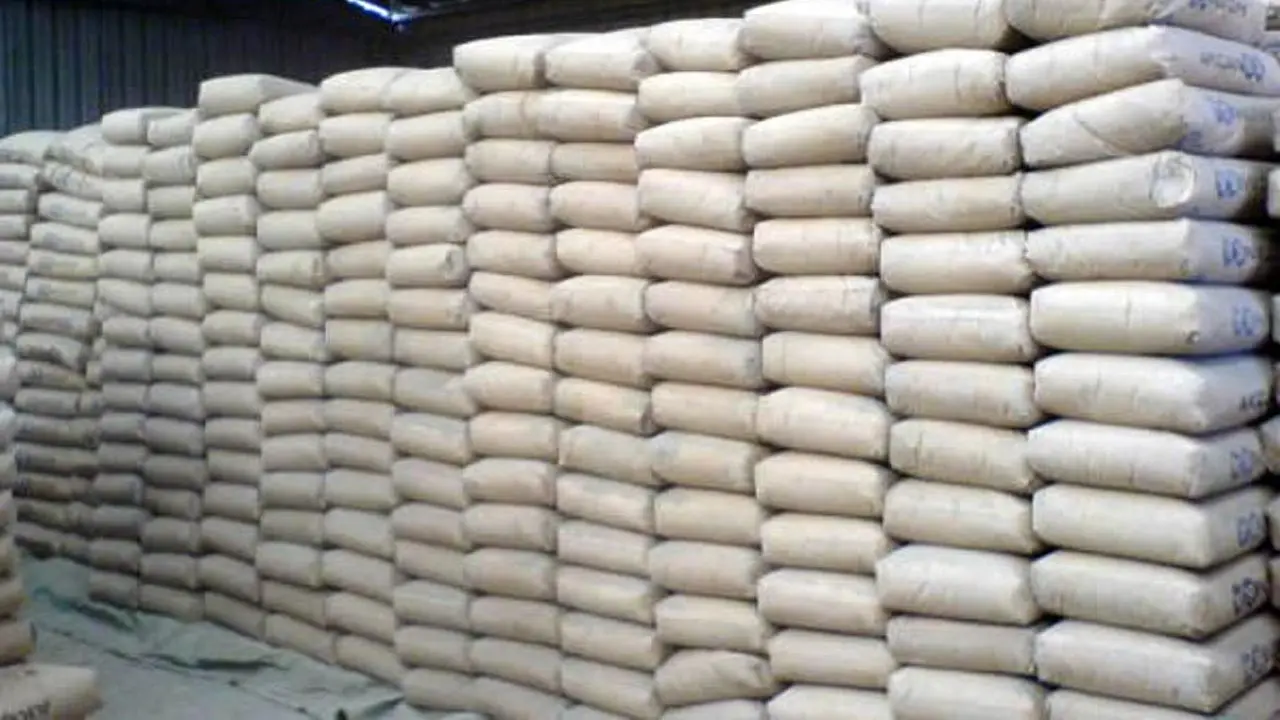
The cement market in Nigeria is projected to grow by 8.4 per cent annually to reach $1.44 billion in 2025, a new report says.
The cement market in the country recorded strong growth during 2020-2024, achieving a Compound Annual Growth Rate (CAGR) of 9.4 per cent.
Growth momentum is expected to remain positive, with the market projected to expand at a CAGR of 7.9 per cent during 2025-2029.
By the end of 2029, the cement market is projected to expand from its 2024 value of US$1.33 billion to approximately US$1.96 billion, according to report released by Yahoo Finance UK.
This report provides a data-rich, forward-looking analysis of cement industry, covering market size, pricing trends, production, consumption, and segment-level performance from 2020 to 2029. It examines cement demand across key residential, non-residential, and infrastructure sectors alongside granular segmentation by cement type, distribution channel, end-user profile, and city tier.
Nigeria’s cement industry remains a critical pillar of national development, anchored by infrastructure expansion, housing demand, and import substitution strategies. The sector is dominated by domestic giants with integrated operations, enabling localized supply despite currency pressures and rising input costs.
However, fluctuating energy prices, logistic constraints, and regulatory uncertainties continue to affect operating margins and investment decisions.
Amid a complex macroeconomic environment, cement producers are enhancing efficiency through alternative fuels, digital tracking, and energy cost optimisation. Public infrastructure projects are supporting baseline demand, but inflationary pressures and limited mortgage access have slowed private sector construction.
The industry’s growth trajectory depends on regulatory reforms, energy stability, and sustainable resource planning. As Nigeria targets industrial diversification and housing development, cement firms must balance growth initiatives with operational adaptability and environmental compliance.
Nigeria’s cement industry is central to national infrastructure development and housing delivery. Despite macroeconomic pressures and logistical bottlenecks, the sector has shown resilience through localization of inputs, backward integration, and energy diversification. Public sector demand will continue to offer a growth baseline, but profitability will hinge on cost control and regulatory adaptability.
Leading players must accelerate alternative fuel use, digital tracking, and supply chain optimisation to manage volatility and remain competitive. Export growth, regional expansion, and ESG compliance will define long-term sustainability. As the economy gradually stabilizes and structural reforms take hold, Nigeria’s cement industry is well-positioned to support inclusive and climate-aligned development.