The rise in non-communicable diseases (NCDs) is becoming one of the Nigeria’s most urgent yet under-recognised health crises. From hypertension to diabetes and other NCDs, conditions once considered illnesses of the elderly are now striking younger adults, often with little or no warning.
Health experts and public health advocates have warned that unless urgent steps are taken, the country may record even more NCDs related deaths in the coming years.
Across hospitals in Abuja and other cities, doctors said more patients are turning up with dangerously high blood pressure, often without knowing they had hypertension in the first place.
LEADERSHIP checks revealed that a lot of Nigerians only visit the hospital when they are very sick. Many have never checked their blood pressure.
A middle-aged woman, Mrs Osagie, in Jikwoyi, Abuja, told LEADERSHIP how she went to Asokoro District Hospital for an eye problem in 2021 but discovered her blood pressure was 250/150 mmHg, a life-threatening situation.
According to her, the doctor later explained to her that the hypertension could be responsible for the eye problem she was experiencing.
Such cases, health workers said, are becoming routine, an indication of how little awareness exists on the importance of regular screening for NCDs.
According to the World Health Organisation (WHO), normal blood pressure ideally ranges between 115–120 mmHg systolic and 75–80 mmHg diastolic. Readings of 140/90 mmHg or higher indicate hypertension, a condition now widespread in Nigeria.
Calling for urgent action, the Head of Cardiology at the National Hospital Abuja and Secretary-General of the Nigerian Hypertension Society, Dr. Oladipupo Fasan, said the country is on the brink of a major NCD crisis unless action is taken.
Speaking at the National Orientation Workshop for NCD Budget Advocacy, organised by the Legislative Initiative for Sustainable Development (LISDEL), Fasan said hypertension and other NCDs are rising fast among low-income Nigerians, those least able to afford healthcare.
He noted that the Nigerian Hypertension Society is currently reviewing national guidelines to reflect Nigeria’s economic and environmental realities, rather than relying solely on foreign standards.
“There are peculiarities about us, affordability, access, environment. Our guidelines must reflect that,” he said.
One of the biggest challenges, Fasan said, is the prohibitive cost of hypertension drugs.
“You cannot prescribe a N10,000 tablet to someone who can barely feed. Some patients ration their medication, taking a pill every five days just to make it last,” he lamented.
He emphasised the need for increased government financing and strengthened support for local drug manufacturing to drive down prices.
“It’s not enough to diagnose a patient if they cannot afford treatment. Financing must focus on affordable antihypertensives,” he stated.
Fasan warned that Nigeria’s healthcare workforce is too overstretched to manage the scale of NCD cases emerging nationwide.
With only a fraction of doctors, nurses, and specialists required to meet demand, he stressed that task-shifting; allowing trained community health workers to manage basic hypertension cases, is essential.
He added that many Nigerians seek help only when symptoms appear, often after complications like heart failure, kidney disease, or stroke have already developed.
This lack of early detection is worsened by low awareness campaigns at community level. The Executive Director, Benedicx Better Life Initiative, Mrs. Akomah-Charles Gonna, said communities are paying the price.
She said in Abia State where she works, there are no enough NCD data to guide interventions. “Just recently, two women died suddenly in different parts of Umuahia due to hypertension,” she said.
She said her organisation works with communities, conducting sensitisation, BP checks, mobilisation, and forming support groups to identify and assist NCD patients. However, she noted severe gaps in primary healthcare capacity.
“We do free BP checks, but for diabetes and cancer, we cannot screen because strips and essential supplies are not available. Government at all levels must join hands with civil society organisations to reduce the deaths associated with NCDs,” she urged.
As sudden deaths become more common, especially among seemingly healthy young adults, health experts said Nigerians must rethink how they live.
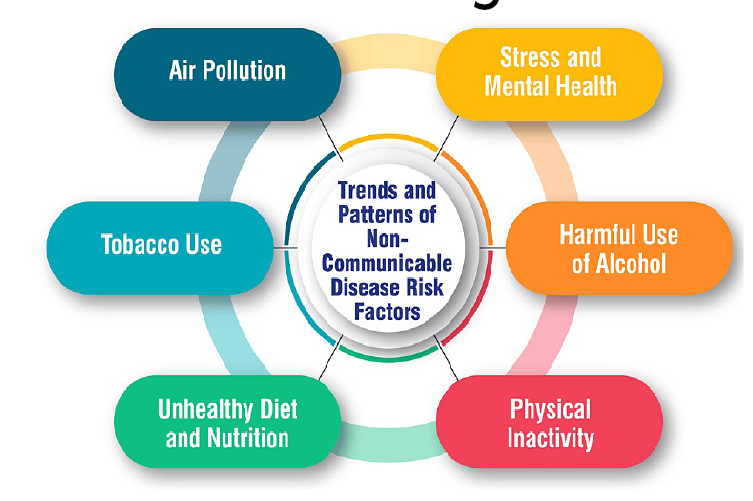
A family health physician, Dr Chira Obiora, said healthy eating, regular exercise, proper sleep, stress management, routine check-ups, and moderation in alcohol and tobacco use are essential to reversing the trend.
Without sustained government investment, stronger public awareness, and accessible healthcare, the country risks losing more citizens to diseases that are largely preventable.
We’ve got the edge. Get real-time reports, breaking scoops, and exclusive angles delivered straight to your phone. Don’t settle for stale news. Join LEADERSHIP NEWS on WhatsApp for 24/7 updates →
Join Our WhatsApp Channel