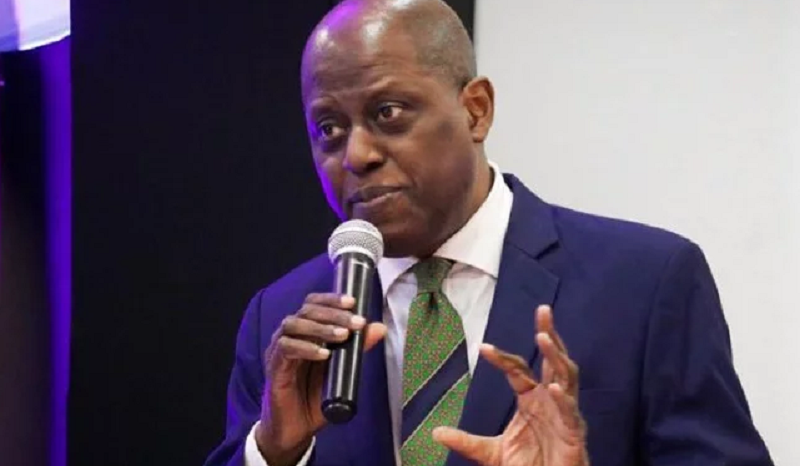
The Central Bank of Nigeria (CBN) has ruled out any return to monetary financing of government deficits, as the apex bank’s governor, Olayemi Cardoso, declared at the weekend that the practice belongs firmly in the past, stressing that fiscal discipline has become non-negotiable.
Cardoso, while stating that there will be no return to the practice of financing fiscal deficits by the Central Bank, said the bank had fully ended all forms of Ways and Means support.
To him, “the discontinuation of direct deficit financing signals one prong in our commitment to discipline. This stance is unequivocal: there will be no return to the practice of financing fiscal deficits by the Central Bank.”
According to him, strengthened coordination with fiscal authorities is already delivering clearer liquidity conditions and more predictable public finance operations. “As monetary authorities, our role is to ensure that the economic foundations remain stable and supportive, so that investment, livelihoods, and community resilience can continue to strengthen as broader national efforts advance,” he stated.
Cardoso reiterated his commitment to a rules-based monetary environment that prioritises price stability, productivity and trust. “Our vision is clear. A Central Bank of Nigeria that is trusted and respected.”
Stating the major strides in the country’s fast-evolving digital payment landscape, Cardoso said the number of contactless payment cards in circulation had crossed 12 million, with leading fintech applications reaching tens of millions of users. “Nigeria today stands among Africa’s most advanced digital payments markets,” he noted, highlighting the role of regulatory reforms, improved switching infrastructure, and tighter consumer protection rules.
The CBN governor linked the renewed confidence in the financial system to reforms aimed at restoring discipline in cash management and financial access. He issued a clear warning to banks over poor service delivery and unapproved closures.
“We strengthened requirements for Central Bank approval before any ATM or branch closure,” he said, adding that institutions whose machines fail to dispense cash are already being sanctioned as the Bank pushes for a more reliable public-facing banking system.
Cardoso underscored improvements in the external sector, describing them as evidence of an economy being rebuilt, supported by real flows rather than temporary measures. He reported a rise in non-oil exports and sustained confidence among Nigerians abroad.
“Non-oil exports have grown by more than eighteen per cent year on year,” he said. He added that diaspora remittances had increased by about 12 per cent as more users return to official channels following improvements in transparency and settlement efficiency.
He maintained that these gains were tied to reforms that had cleaned up the foreign exchange market and restored credibility. According to him, the combination of a more flexible exchange rate, rising non-oil exports, and stronger remittances has helped rebuild reserves without borrowing.
We’ve got the edge. Get real-time reports, breaking scoops, and exclusive angles delivered straight to your phone. Don’t settle for stale news. Join LEADERSHIP NEWS on WhatsApp for 24/7 updates →
Join Our WhatsApp Channel