The federal government has said the recent drop in electricity supply in parts of the country was not caused by a major or systemic failure of the national grid.
The Nigerian Independent System Operator (NISO) also said the decline in generation was due to gas supply constraints and reduced output from hydroelectric power stations.
The Federal Ministry of Power also said it had noted the concerns of Nigerians who had experienced reduced supply in the past few days. The affected areas include Lagos, Abuja, Ogun, Kwara and Oyo States.
According to the statement, these areas had recently enjoyed noticeable improvements in power supply before the current downtime. The ministry acknowledged the inconvenience caused to households, businesses and public institutions, and said it understood the frustration of Nigerians who had begun to see the benefits of steadier supply.
“We recognise what every hour without power means for individuals, families and businesses, and we do not take it lightly,” the ministry stated.
The ministry said preliminary assessments showed that the disruptions were not the result of any major or systemic failure of the grid. It said they stemmed from maintenance and operational issues on parts of the power ecosystem. It added that generation had also fallen because of constraints in gas supply to thermal power stations and reduced output from hydroelectric stations due to lower water inflows into reservoirs.
The ministry said all of these were being addressed.
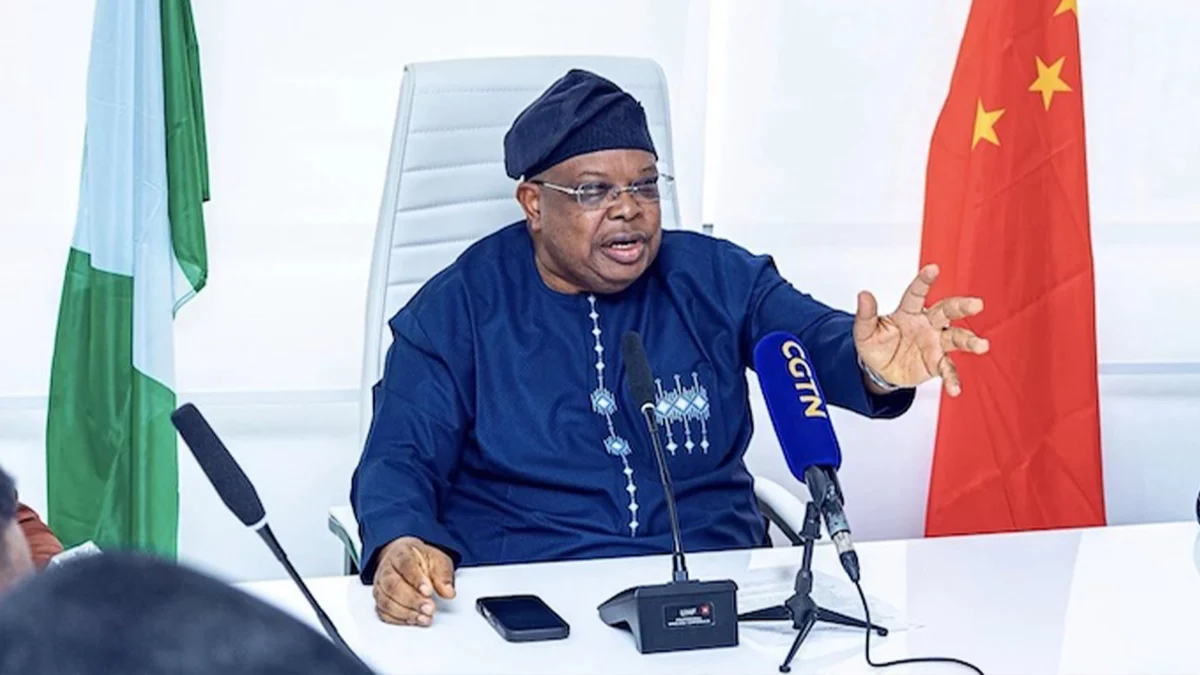
It said the Minister of Power, Joseph Tegbe, was working closely with the Transmission Company of Nigeria (TCN), NISO and the Distribution Companies (DisCos) to restore normal supply quickly. The minister, it said, had asked them to resolve the operational constraints behind the downtime, speed up ongoing maintenance and keep the public informed.
NISO’s explanation
In a separate statement signed by its management and issued on Thursday, NISO said limited gas availability had stopped some thermal power stations from operating at their available capacity. It said reduced water inflows into reservoirs had also cut generation at hydroelectric plants.
The operator said the drop in available generation had reduced the quantum of electricity allocated to the DisCos for supply to consumers. This, it said, had led to fewer hours of supply and increased load shedding across distribution networks.
NISO added that the level of impact varied across the country, depending on available generation and the allocation made to individual DisCos.
The operator acknowledged the effect of the shortfall on electricity consumers nationwide and said it appreciated the concerns raised by the public and other stakeholders. It said it was working to diversify the energy mix feeding the national grid to ensure security of supply.
“NISO remains committed to maintaining grid stability, optimising the dispatch of available generation, and ensuring the secure, reliable and efficient operation of the national grid within prevailing operational constraints,” the statement said.
The ministry reaffirmed its commitment to the progress already recorded and to improving the reliability and quality of electricity supply nationwide.
“Nigerians deserve better power, and this administration is working to deliver it,” the statement said.
It thanked the public for its patience and understanding, and said further updates would be provided as restoration progresses.
We’ve got the edge. Get real-time reports, breaking scoops, and exclusive angles delivered straight to your phone. Don’t settle for stale news. Join LEADERSHIP NEWS on WhatsApp for 24/7 updates →
Join Our WhatsApp Channel