The Presidency has called on women leaders across Nigeria’s health sector to take a frontline role in integrating Gender-Based Violence (GBV) response into everyday healthcare delivery, stressing that the crisis demands urgent, coordinated action at institutional and community levels.
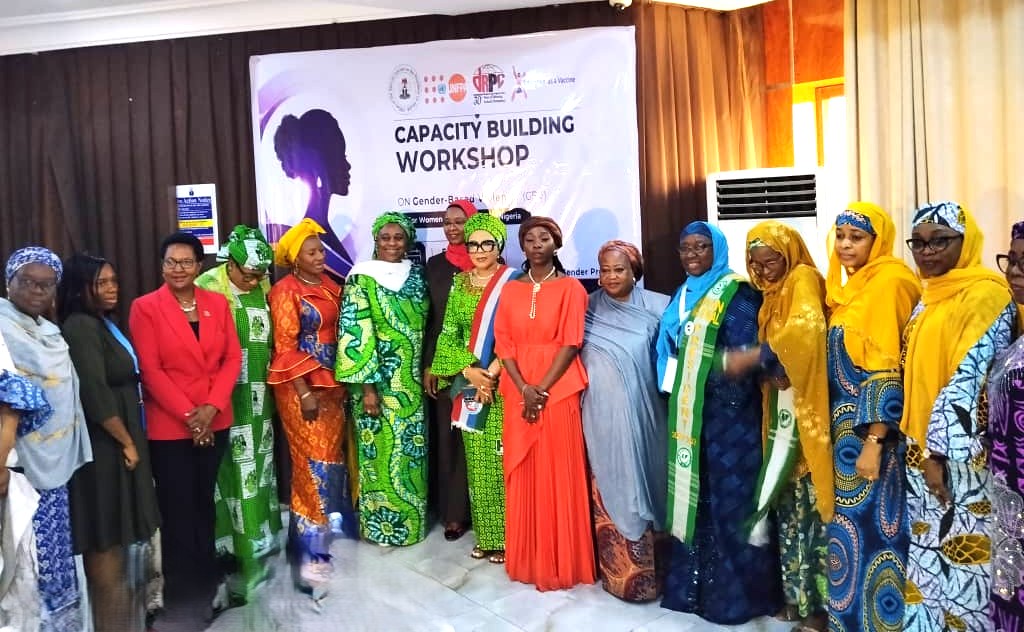
The Special Adviser to the President on Health, Dr. Salma Ibrahim Anas, made the call at a Capacity Building Workshop on Gender-Based Violence for Women Leaders in Health, held in Abuja.
Dr. Anas noted that women make up “more than 90 per cent” of the country’s healthcare workforce, making them central to both service delivery and efforts to curb GBV.
“Women are the backbone of the health sector. We can develop policy and guidance at the national level, but implementation must happen in your institutions. You are the leaders,” she said.
Describing GBV as pervasive and affecting women at every stage of their lives and careers, she added that no nation can progress while excluding half of its population.
She further emphasised the need for dedicated funding, stronger institutional frameworks, and increased advocacy, insisting that policies alone cannot solve the crisis without consistent implementation.
In her goodwill message, UNFPA Nigeria Representative, Ms. Muriel Mafico, said GBV remains one of the slowest areas of progress under the Sustainable Development Goals (SDGs), adding that at the current pace “it will take hundreds of years” to meet global gender-related targets.
“The cost of GBV translates into loss of life, morbidity, psychosocial trauma, and loss of productive economic hours. The cost is too high,” she said, urging stronger leadership within the health sector.
A representative of the Development Research and Projects Centre (dRPC), Dr. Stanley Ukpai, highlighted ongoing interventions, including engagement with religious leaders and community influencers such as grandmothers, to shift harmful norms.
Programme Officer at Education as a Vaccine, Bimbo Ajayi, commended partners for convening the training, noting that the organisation has worked for over 25 years on sexual and reproductive health rights and GBV.
“We want to continue to partner and carry on the work we have been doing,” she said.
The APC National Women Leader, Dr. Mary Idele, linked GBV interventions to women’s political empowerment, saying sustainable progress requires women’s presence in governance and budgeting processes.
“Everything goes back to politics. Where will the money come from? Politics,” she said, lamenting cultural barriers that discourage women from political participation.
“If they want to pass a bill, four women cannot shout down over a hundred men,” she added, calling for more young women to be mobilised into leadership spaces.
Former Minister of Women Affairs, Dame Pauline Tallen, urged women leaders to remain steadfast.
“We can never run away from politics if we want to change society… we must be focused, resilient, and deliberate,” she said, reiterating that Nigeria cannot progress while marginalizing over half of its population.
Representing the Secretary to the Government of the Federation, Mrs. Kamilatu Mustapha, described GBV as one of Nigeria’s most pressing social and public health issues.
“Addressing gender-based violence requires coordinated, multi-sectoral, and sustained action,” she said, urging participants to translate knowledge into institutional reforms.
The World Health Organisation (WHO) Representative, Dr. Ini Oyintoye, emphasised that the health system is often the first point of contact for survivors.
“Equipping women with the right knowledge, skills, and tools is vital,” she said, pledging WHO’s continued support in prevention, policy development, and clinical care.
Founder of the Women in Leadership Advancement Network Global, Abosede George-Ogan, warned of increasing technology-facilitated GBV as internet penetration deepens.
“The same people offline are the same people online. As the internet grows, so does women’s exposure to risk,” she said, noting that up to 58 per cent of survivors do not seek help.
Workshop participants were urged to turn discussions into concrete action, with stakeholders expressing optimism that strengthened leadership, policy integration, and collaboration will significantly bolster Nigeria’s response to gender-based violence.
We’ve got the edge. Get real-time reports, breaking scoops, and exclusive angles delivered straight to your phone. Don’t settle for stale news. Join LEADERSHIP NEWS on WhatsApp for 24/7 updates →
Join Our WhatsApp Channel