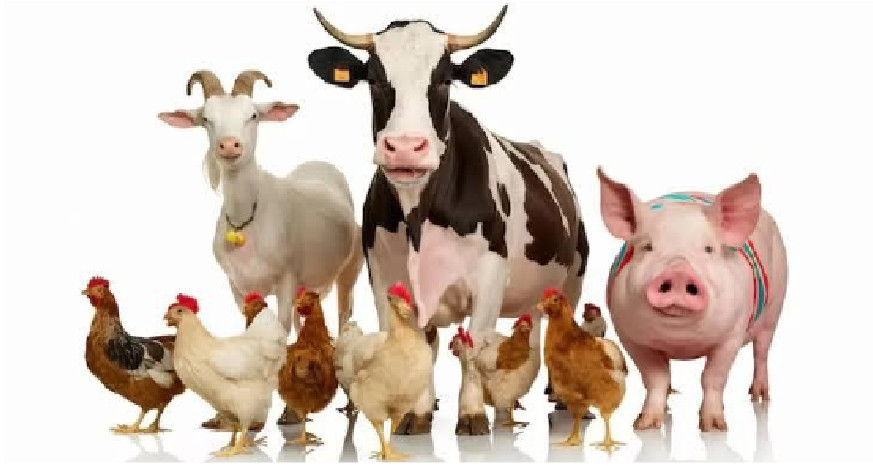
Across Nigeria’s rural landscape, where livestock sustains livelihoods and food systems depend on delicate balances, a critical truth is gaining attention: animal health is directly tied to human wellbeing, economic stability, and national food security.
This message was underscored at a recent graduation ceremony in Ibadan, where the Food and Agriculture Organization (FAO) highlighted a quiet but significant shift in approach—one that prioritises prevention over reaction in managing animal health.
Nigeria’s livestock sector contributes nearly eight per cent to GDP, yet it remains vulnerable to disease outbreaks, poor infrastructure, and limited investment. For years, the system has been largely reactive, addressing diseases only after they occur. The consequences are severe: herds are wiped out, farmers lose income, supply chains are disrupted, and protein shortages worsen, particularly in rural communities.
Preventive animal healthcare offers a more sustainable alternative. FAO’s initiative, “Growing Your Business Through Animal Preventive Healthcare Services,” promotes early detection and risk management as more effective and cost-efficient strategies. By focusing on prevention, the cycle of recurring outbreaks and losses can be broken.
This approach involves expanding vaccination programmes, improving laboratory diagnostics, and strengthening biosecurity measures at the grassroots level. It also includes the use of digital tools for real-time disease reporting, enabling faster responses and better coordination across the livestock sector. These efforts align with the global One Health framework, which recognises the connection between human, animal, and environmental health.
Central to this transformation is the emergence of veterinary paraprofessionals. Trained through partnerships between FAO and institutions such as the Federal College of Animal Health and Production Technology, these workers are equipped with practical skills to operate in rural areas where access to veterinarians is limited.
They play a vital role in identifying early signs of disease, administering basic treatments, educating farmers, and implementing preventive measures. In many communities, they serve as the first line of defence, helping to reduce animal mortality and improve productivity among smallholder farmers.
The benefits extend beyond livestock. Healthier animals lead to increased production of meat, milk, and eggs—essential sources of protein in a country where malnutrition remains a concern. Improved livestock health also translates to more stable incomes for rural households and greater resilience within the broader food system.
However, experts stress that success depends on collaboration.
A coordinated effort involving government agencies, veterinary professionals, paraprofessionals, and farmers is essential to build an effective and sustainable animal healthcare system.
As Nigeria works to feed a growing population, preventive animal healthcare stands out as a practical and scalable solution. Though often overlooked, it has the potential to transform the livestock sector, strengthen food security, and protect livelihoods.
In the end, securing Nigeria’s food future may depend not on reacting to crises, but on preventing them before they begin.
We’ve got the edge. Get real-time reports, breaking scoops, and exclusive angles delivered straight to your phone. Don’t settle for stale news. Join LEADERSHIP NEWS on WhatsApp for 24/7 updates →
Join Our WhatsApp Channel