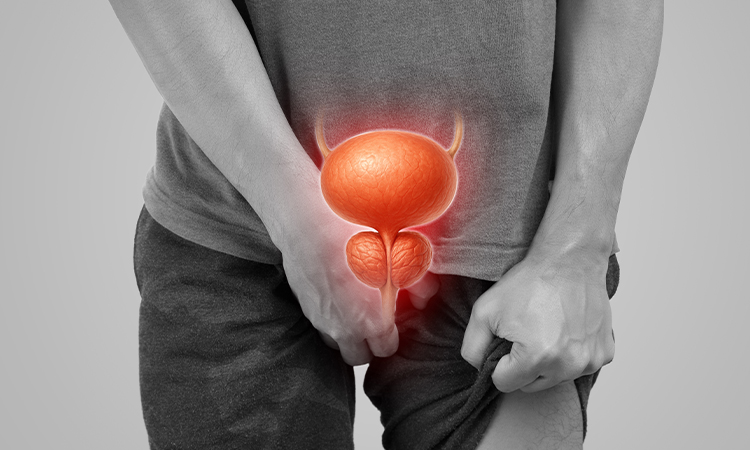
A Nigerian health expert has warned that prostate cancer continues to pose a major threat to African men, stressing that early detection and treatment can save life.
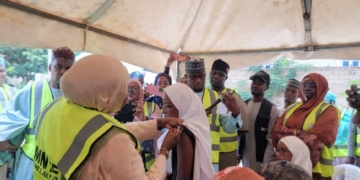
His remarks came at an event marking the first anniversary of The Prostate Clinic (TPC) and celebrating its milestone of 100 successful robotic surgeries in Nigeria.
The founder of the clinic, Prof. Kingsley Ekwueme, said prostate cancer kills more men in Nigeria than anywhere else. “The statistic is egregious. It’s a terrible statistic,” he said. In London, only 12.5 per cent of men present with incurable prostate cancer, compared with Nigeria, where more than 80 per cent of cases are already beyond cure. “And when prostate cancer is incurable, it doesn’t matter how much money you have. The statistics are completely against us in this country,” he added.
Ekwueme explained that while the disease has no known cause, the risk of developing prostate cancer rises with three risk factors firmly established, which are age, ethnicity and family history.
“By the time a man clocks 30 years, his prostate begins to enlarge,” he said, noting that enlargement is a natural process confirmed by research. The peak age for prostate cancer is between 60 and 65, but men with a family history often develop it earlier, sometimes in their 50s.
Ethnicity is another critical factor. Black men face not only a higher incidence of prostate cancer but also more aggressive forms of the disease. “It is twice more common in Black men than in whites,” he said, adding that mortality rates are correspondingly higher.
Family history further compounds the risk.
Men with a father, brother or uncle diagnosed with prostate cancer are significantly more vulnerable. Research shows they may develop the disease seven years earlier than the general population. For such men, Ekwueme advised regular blood tests, including prostate-specific antigen (PSA) checks, starting at age 45.
Turning to prevention, he dismissed popular beliefs that diet or sexual activity can ward off the disease. “There is no diet that you will eat to prevent prostate cancer,” he said, citing failed global research efforts. He added that even men with active sexual lives are not protected, countering misinformation circulating on social media.
He also condemned outdated practices in rural Nigeria, where some doctors remove men’s testicles as treatment. He recalled a tragic case of a 48-year-old patient who underwent the procedure despite having early-stage cancer that required only monitoring. “Removal of testicles is no longer practised in the UK,” he said, pointing to modern drugs and injections that achieve the same hormonal suppression without the psychological toll.
On surgery, Ekwueme urged Nigerians to avoid treating prostate cancer like a marketplace bargain. “The first treatment you have for prostate cancer is the best one, and you must get it right the first time,” he said, warning against poorly executed operations that leave patients with irreversible complications such as urinary leakage.
Highlighting advances at his clinic, he said robotic surgery has been performed safely, with patients avoiding incontinence and returning home without nappies. “Safety is the greatest achievement,” he stressed, noting that leakage often deters men from seeking treatment more than concerns about sexual function.
“We are creating awareness about the possibilities that prostate cancer can be cured. It’s curable. All we need to do is to identify it early and treat it, and we cure it,” he said. “We have so many people present here who will testify to the outcomes they’ve had. They are going to live their normal life expectancy. They are not going to die of prostate cancer. And we’ve been able to impact lives. We should be proud of it.”
In the past year, TPC has treated patients not only from Nigeria but also from Ghana, Cameroon, Côte d’Ivoire, Brazil, the United States, the UK and Canada.
“My mission is to end and reverse that statistic,” Ekwueme said. “I will not stop until I get to that mission. I can fail, but I will go again. If I fail again, I will try again. And each time I will fail better and better until I get there in the end. Because how can we live in a country where a man is dying of prostate cancer and we’re watching it?”
We’ve got the edge. Get real-time reports, breaking scoops, and exclusive angles delivered straight to your phone. Don’t settle for stale news. Join LEADERSHIP NEWS on WhatsApp for 24/7 updates →
Join Our WhatsApp Channel