
The Nigerian Upstream Petroleum Regulatory Commission (NUPRC) and the Nigerian Nuclear Regulatory Authority (NNRA) have said they will pursue a single‑window regulatory system to reduce fees, eliminate duplicate filings and strengthen radiological oversight in upstream oil and gas operations.
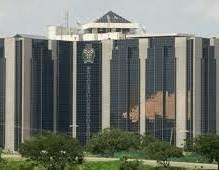
The outcome followed a meeting at the NUPRC headquarters between the NUPRC chief executive, Oritsemeyiwa Eyesan, and the NNRA’s director-general/CEO, Dr Yau Idris.
Eyesan said there was a clear need to tackle regulatory gaps and the multiplicity of rules and regulations in the oil and gas industry in order to improve the ease of doing business.
“The only way we can safeguard investments is to reduce our cost of operations, and when you have a multiplicity of laws, the likelihood is that you will have higher costs because each law normally will come with its own fee and charges,” Eyesan said, underlining her concern that overlapping regulatory requirements increase administrative burdens and raise costs for industry players.
She said the NUPRC, which regulates the technical, commercial and operational aspects of oil and gas exploration and production, had nominated senior officials from the Commission who would work closely with the NNRA on the task ahead.
According to her, the agencies had identified critical areas on both sides and believed that through collaboration, they could close existing gaps between their regulatory frameworks.
Dr Idris, for his part, reiterated that NNRA oversees the possession, use, transportation and disposal of radioactive sources while also facilitating the beneficial use of radiation technologies across various sectors of the economy. He said the upstream petroleum sector was one of the largest users of radioactive sources and ionising and radiation‑emitting equipment in Nigeria—particularly for well logging, industrial radiography and nucleonic gauging—and stressed that this made cooperation with the NUPRC essential for the NNRA to fulfil its mandate.
“The goal is a single window approach, where both agencies share information rather than requiring operators to submit the same data twice,” Dr Idris said, stressing that a coordinated framework would reduce administrative duplication and lower costs for operators who would otherwise face repeated filings and multiple fees under separate rules.
He also drew attention to Naturally Occurring Radioactive Materials (NORM), which oil and gas extraction often brings to the surface.
He said the NNRA would seek the assistance of the NUPRC to ensure that operators conduct radiological impact assessments as part of their Environmental Impact Assessments, and that NORM management protocols be incorporated into the NUPRC’s environmental guidelines for the upstream sector.
Both agencies said they would collaborate beyond regulatory harmonisation, with an emphasis on capacity building.
Eyesan said the partnership would include joint training and knowledge-sharing efforts aimed at improving radiation protection and safe operations in the upstream industry.
Dr Idris echoed that view, highlighting the NNRA’s role in regulating radioactive sources and facilitating the safe, beneficial use of radiation technologies across economic sectors.
The regulators said their proposed single‑window approach and closer collaboration were intended to streamline compliance processes, close regulatory gaps and ultimately reduce the overall cost of operations for oil and gas companies.
They indicated that such measures would help safeguard investments and improve the ease of doing business in the upstream sector.
Both regulators agreed that the nominated teams would focus on identifying critical interfaces between the two agencies, developing protocols for information sharing and proposing how NORM management and radiological assessments could be integrated into existing environmental guidelines. They added that the collaboration would be guided by each agency’s statutory mandate—the NUPRC’s remit over technical, commercial and operational aspects of exploration and production, and the NNRA’s authority over radioactive sources and radiation technologies.
The agencies said they expected the collaboration to yield clearer regulatory processes for operators, reduce the multiplicity of charges arising from overlapping rules, and enhance regulatory oversight of radiological risks associated with upstream activities. They said further details, including timelines and specific interventions, would be developed by the teams nominated by the NUPRC to work with the NNRA on the harmonisation exercise.
We’ve got the edge. Get real-time reports, breaking scoops, and exclusive angles delivered straight to your phone. Don’t settle for stale news. Join LEADERSHIP NEWS on WhatsApp for 24/7 updates →
Join Our WhatsApp Channel