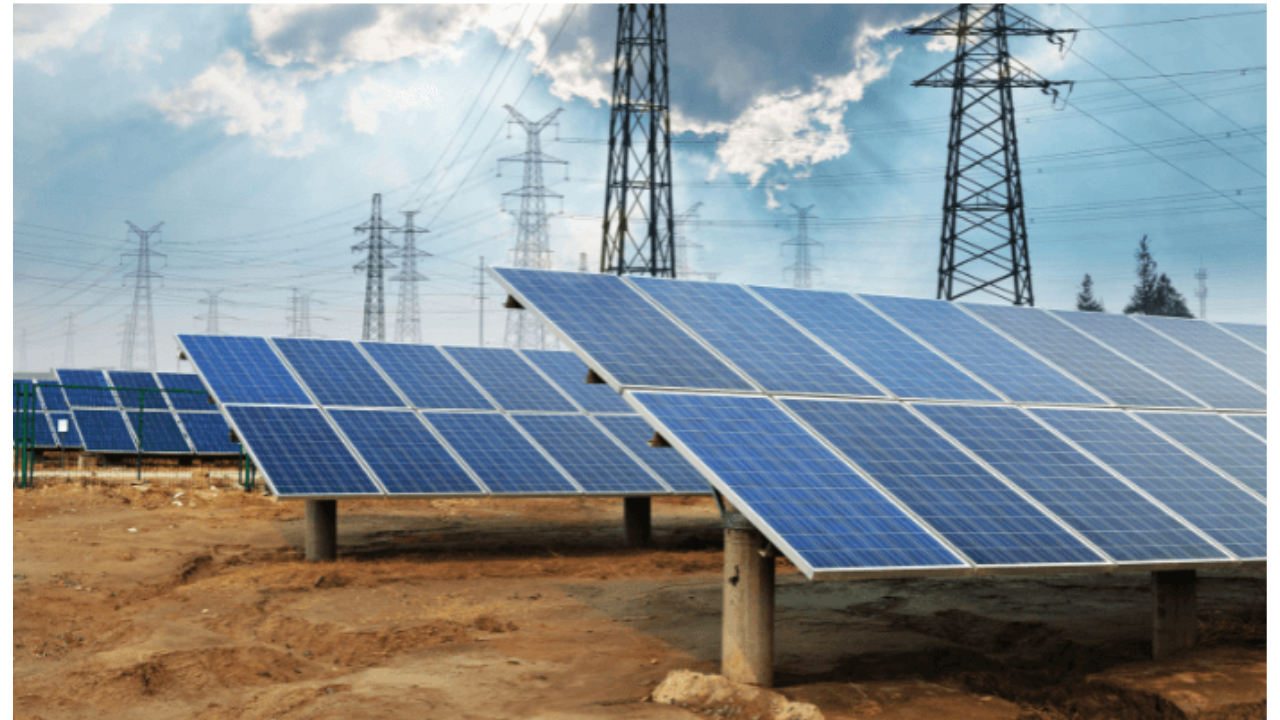
With the government’s expected removal of petrol subsidy and the need to drive Nigeria’s net-zero goal, operators have said that small and medium-sized enterprises (SMEs) must consider adopting renewable energy.
SMEs account for 96 percent of businesses and 84 percent of employment creation in Nigeria, according to the National Bureau of Statistics. With a total number of about 17.4 million, they account for about 50 percent of industrial jobs and nearly 90 per cent of the manufacturing sector.
Transitioning to renewables will reduce their reliance on grid electricity and petrol or diesel generators, which will lead to significant cost savings and increase their profitability, allowing them to reinvest in their businesses and create more jobs. It will also help them to reduce their carbon footprint, contribute to the fight against climate change and improve the health and well-being of Nigerians.
However, many of these businesses still rely on fossil fuels such as petrol and diesel generators to power their operations, which contribute to environmental degradation and are becoming increasingly expensive due to the removal of subsidies.
It has been estimated that diesel generators constitute more than 15,000 megawatts of the generated power in Lagos alone, according to Olalere Odusote, state commissioner, ministry of energy and mineral resources.
So far, the surge in diesel prices of about 168 percent has threatened operations for SMEs. With the removal of petrol subsidies, businesses that have shifted to petrol generators or plan to use them will spend more on energy costs.
Renewable energy sources such as solar may have a high initial costs but are cost-effective in the long run. It is a viable option for SMEs looking to reduce their energy costs and carbon footprint.
“SMEs should consider adopting renewable energy, particularly concerning the pending petrol subsidy removal. The truth is that the prices for renewable energy components are dropping annually as the technology keeps improving,” Daramfon Bassey, a renewable energy expert, told BusinessDay.
“The major reason this has been tickled down in the country is the high cost of importing these components into Nigeria. Although renewable energy solutions have high initial costs, they are cheaper long-term than fossil fuel generators. So, it’s no brainer.”
Two months ago, PPC Limited said the mass production of solar panels in response to the rising demand for alternative, cleaner power solutions had made solar installation for homes and businesses more affordable.
Kelechi Onuigbo, head of the Power Division at PPC, said the one-time investment and low maintenance of solar installations make it an affordable and preferable alternative power option for businesses and households.
“Constant electricity is key to the survival of businesses, and that is why PPC is committed to supporting organisations in bridging the infrastructure gap in Nigeria’s power sector,” he said.
“Rapid advances in technology and available financing facilities have encouraged manufacturers to invest in expanding their production capacity, which has lowered the cost of solar panels.”
According to him, solar panels can generate major utility savings for businesses, considering reducing electricity costs, carbon emissions, or both.
“What needs to be done to encourage increased adoption of renewable energy solutions by SMEs in the country would involve providing incentives such as import duty waivers for renewable energy components, encouraging emerging indigenous renewable energy manufacturers and assemblers and providing affordable and flexible consumer finance for SMEs in the country,” Bassey said.
According to him, the major thing affecting the price of solar in Nigeria is the high cost of importing these products. “But I do not see the price increasing if the government has enough foresight and makes efforts to reduce some of the bottlenecks for importing solar components.”
“Even if the price does increase, most solar companies have instalment payment plans that SMEs can employ if they can’t afford the outright payment,” he said.
Nigeria is an import-dependent economy, and when the subsidy is removed, commodities prices will go up, according to Toochukwu Okafor, a senior economic analyst familiar with the renewable energy sector.
He said: “The best time to transition to renewable energy is now as non-food items, which solar panels fall under, are bound to go up.
“When you combine the increase of transport cost due to the petrol subsidy removal plus the factors of the invisible hand of demand and supply, we are going to see a significant increase in the price of renewable energy sources.”
According to Okafor, the cost of inverters will also increase because inverters and solar panels work hand in hand. “So, when these vendors know that people are desperate to get the inverter first, the prices of the inverter may even double the prices of solar panels because you cannot install a solar panel without an inverter,” he said.
Inverters are critical to use solar panels because solar panels generate DC (direct current) electricity, while most homes and businesses use AC (alternating current) electricity. Inverters are required to convert the DC electricity generated by solar panels into AC electricity that can power appliances and other electrical loads.
We’ve got the edge. Get real-time reports, breaking scoops, and exclusive angles delivered straight to your phone. Don’t settle for stale news. Join LEADERSHIP NEWS on WhatsApp for 24/7 updates →
Join Our WhatsApp Channel