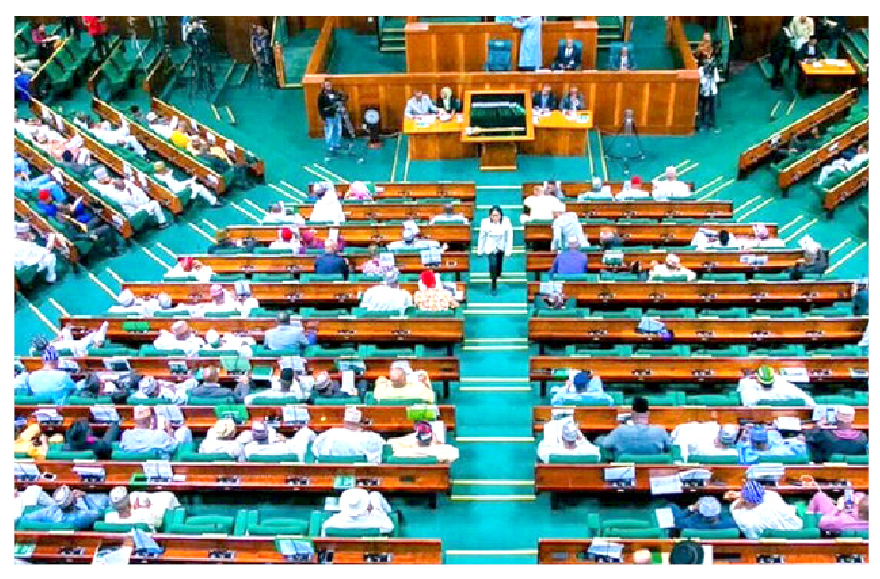
The House of Representatives has launched a comprehensive probe into the performance of concessionaires operating Nigeria’s air and sea port terminals, with a call for transparency, accountability and value for money over the past two decades.
The chairman of the Ad-hoc Committee, Hon. Kolawole Davidson Akinlayo, at an investigative hearing with stakeholders at the National Assembly in Abuja, described the exercise as a critical phase in the committee’s assignment.
Akinlayo said the probe would assess the effectiveness of the port concession regime introduced in 2006, which was aimed at improving efficiency, attracting private investment, and boosting infrastructure development in the aviation and maritime sectors.
“This session marks a critical phase in the committee’s assignment. Today, we shall engage directly with terminal operators whose roles have been central to the concession regime introduced nearly two decades ago,” he said.
Akinlayo explained that the policy was designed to deliver measurable economic benefits to the federal government and Nigerians, stressing that the committee would determine whether those objectives had been achieved.
“The committee’s mandate is clear: to assess performance, determine value for money, identify gaps, and ensure that the intended objectives of these concessions have been met in a transparent and accountable manner,” Akinlayo added.
He urged concessionaires to provide factual and verifiable accounts of their operations, investments, and compliance with concession agreements, stressing that the integrity of submissions would guide the committee’s final recommendations.
“We expect full cooperation, candour and professionalism from all parties,” he said.
At the hearing, the executive director, Ports and Cargo Terminal at the Nigerian Maritime Administration and Safety Agency (NIMASA), Lukeman Olaruwanju, highlighted significant investments made by terminal operators in equipment and infrastructure.
Olaruwanji disclosed that operators had exceeded some of their initial equipment obligations, noting that while only 20 trucks were originally required, the operators currently deploy about 125 trucks for operations, alongside increased capacity in other cargo handling equipment.
He further detailed investments in equipment such as reach stackers, forklifts, terminal tractors, and empty container handlers, with combined monetary values running into tens of millions of dollars, as well as infrastructure upgrades, including quay reinforcement and maintenance facility renovations.
The NIMASA official also noted improvements in operational efficiency, deployment of information technology systems, cybersecurity upgrades, and human capital development.
We’ve got the edge. Get real-time reports, breaking scoops, and exclusive angles delivered straight to your phone. Don’t settle for stale news. Join LEADERSHIP NEWS on WhatsApp for 24/7 updates →
Join Our WhatsApp Channel