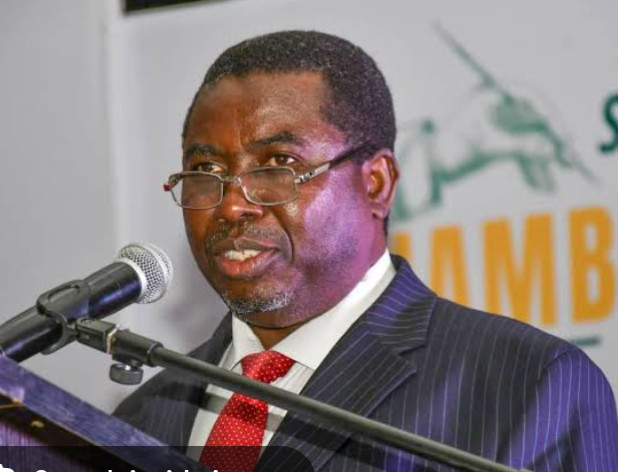
The House of Representatives has invited the Chairman of the Independent National Electoral Commission (INEC), Prof. Joash Amupitan to appear before its Committee on Electoral Matters within the next seven legislative days and brief lawmakers on the commission’s readiness for the 2027 general election.
The briefing is to cover Continuous Voter Registration(PVC) management, election logistics, technology deployment (BVAS and IRev), personnel training, electoral security, risk assessment strategies, budget implementation and insights from the recent Ekiti state governorship election.
The House also requested the INEC chairman to provide a detailed status report regarding the national election readiness, including the progress of continuous voter registration, the status of PVC production and distribution, the readiness of election technology and logistics.
Others are mapping of challenging areas, recruitment and training status of election officials and budgetary appropriations, funds released, outstanding releases and the implications of any funding gaps on implementation timeline.
These resolutions followed the adoption of an amendment to a motion sponsored by the Minority Whip, Hon. Mansur Manu Soro(APM, Bauchi) and Deputy Minority Leader, Hon. Abdussamad Dasuki(ADC, Sokoto) at plenary on Wednesday.
Moving the motion, Soro affirmed that the 2027 general elections’ credibility, transparency, and acceptability depend significantly on INEC’s preparedness in voter registration, education, logistics, technology, personnel training, security coordination, funding, and timely election timetable implementation.
He stated that the recently concluded Ekiti state governorship election had provided useful lessons on election administration, deployment of technology, logistics management, stakeholder engagement, security and voter participation, which should guide preparations for the forthcoming general election.
L
The minority whip observed that voter registration reports from CVR centres in Nigeria highlight challenges including inadequate registration equipment, limited staff, network issues, prolonged waiting times and increased demand from citizens wishing to register or manage their voter records.
“These operational difficulties particularly affect first-time voters, rural citizens, individuals with disabilities, students, and workers, limiting their access to registration and threatening the participation of eligible voters in the electoral process without timely interventions,” he argued.
The lawmaker insisted that early institutional preparedness is crucial for timely procurement of election materials, deployment of technology, recruitment and training of personnel, effective voter education, security planning, electoral risk assessment and logistics nationwide.
He expressed concern that any delay in addressing existing operational gaps in voter registration, logistics, technology deployment and funding may adversely affect public confidence in the electoral process and compromise the peaceful conduct of the 2027 general election.
Soro acknowledged the constitutional oversight responsibility of the parliament to ensure that public institutions entrusted with critical national assignments are adequately prepared, properly funded and fully accountable in the discharge of their constitutional responsibilities.
He equaly acknowledged the continuous efforts of INEC towards strengthening Nigeria’s electoral system while recognising the need for sustained parliamentary engagement to guarantee free, fair, credible, inclusive and peaceful elections.
We’ve got the edge. Get real-time reports, breaking scoops, and exclusive angles delivered straight to your phone. Don’t settle for stale news. Join LEADERSHIP NEWS on WhatsApp for 24/7 updates →
Join Our WhatsApp Channel