
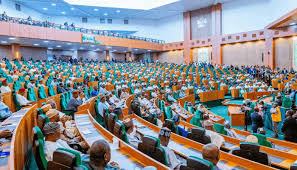
The House of Representatives has invited the Managing Director/Chief Executive Officer of Rural Electrification Agency (REA), Abba Aliyu and contractors contractors handling Energy Education Programme (EEP) Phase I–III projects to appear before it on Wednesday.
They are provide the House through its committee on Renewable Energy with details of projects, including
original and certified true copies of contract award letters; executed project agreements, MoUs, and technical specifications and engineering drawings, BOQs, feasibility studies, and as-built documentation.
Others include; project status reports, implementation timelines, commissioning documents, and sustainability plans; ecords of variations, amendments, contractual changes, or additional scope approvals, maintenance agreements, handover documents, and O&M provisions and manufacturer warranties for all equipment supplied and installed.
The committee chaired by Hon. Afam Victor Ogene issued the summon and made the demands at its inaugural sitting on Tuesday.
The House had mandated the committee on renewable energy to investigate the domiciliation of green and renewable energy projects across Ministries, Departments and Agencies(MDAs).
In line with that mandate, the committee is conducting a comprehensive audit of renewable energy interventions under the Rural Electrification Agency, particularly those implemented under the Energizing Education Programme (EEP) Phases I, II, and III.
The panel requested REA to formally notify all contractors/developers and ensures their full compliance with the directive.
Speaker Abbas Tajudeen while flagging off the probe, expressed lawmakers usual concern with the multidimensional economic implications of poor electricity power challenges as the nation has been faced with in recent years.
Represented by Deputy House Leader, Hon. Ibrahim Halims, the Speaker said the National Assembly had altered the former Electricity Act of 2005 to address those challenges.
“The huge cost implications of running businesses in the nation with generators – whether by big manufacturing companies or Small and Medium Scale outfits – and the overall adverse impact on the cost of living or living conditions of the people and economic and social developments, essentially propelled the National Assembly to alter the former Act of 2005.
“One important objective of the Electricity Act, 2023 is to provide a holistic integrated policy plan that recognizes all sources for the generation, transmission, and distribution of electricity, including the integration of Renewable Energy into Nigeria’s energy mix.
“You will agree with me, ladies and gentlemen, that there is
a global quest for safer, sustainable and renewable energy, on account of the glaring impact of carbon emissions from fossil fuels on our environment.
“The growing effects of global warming and climate change are not only reserved as topic for big climate conferences around the world, but could alarmingly be felt all around us in different forms,”he said.
The committee’s chairman, said
addressing the challenges associated with power supply was
crucial to curbing economic wastage and ensuring sustainable development.
“The proposed resolution for MDAs to source 50% of their power needs from renewable energy sources presents a mutually beneficial opportunity for the nation. This initiative is expected to attract investments, stimulate job creation, and enhance sustainability in the electricity sector.
“Achieving this objective will require assessing current renewable energy utilization in MDAs, identifying areas for improvement, and implementing strategies to increase adoption. This approach can contribute to a more diversified energy mix, reduced reliance on traditional sources, and a more resilient energy infrastructure,” Ogene said.
We’ve got the edge. Get real-time reports, breaking scoops, and exclusive angles delivered straight to your phone. Don’t settle for stale news. Join LEADERSHIP NEWS on WhatsApp for 24/7 updates →
Join Our WhatsApp Channel