
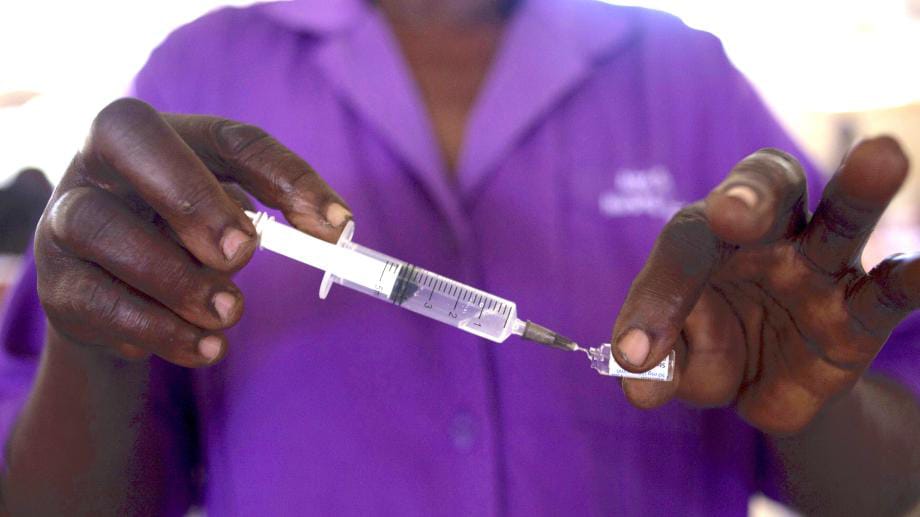
Africa’s first-ever Phase 1b clinical trial of a long-acting injectable drug for malaria prevention has commenced in Rwanda, marking a significant step towards developing new tools to combat the disease.
Medicines for Malaria Venture (MMV), a non-profit organisation dedicated to developing antimalarial medicines, and Rinda Ubuzima, a Rwandan health research organisation, announced the launch of the trial of MMV371, a potential long-acting injectable (LAI) designed to provide extended protection against malaria.
Malaria: Zamfara Deputy Governor Hails Distribution Of 3.5m Mosquito Nets
Insecurity Hampering TB, HIV/AIDS, Malaria Services In Zamfara – Network
The trial is the first Phase 1 study of a long-acting injectable for malaria prevention to be conducted in Africa.
If proven safe and effective, the injectable could become an important addition to existing malaria prevention measures, including vector control, vaccines and preventive medicines.
According to the World Health Organisation (WHO), malaria caused more than 280 million cases and 600,000 deaths globally in 2024, with 95 per cent of the deaths occurring in Africa.
Despite significant progress in combating the disease since the turn of the century, malaria remains a major public health challenge, particularly across the continent.
The emergence of antimalarial drug resistance, changing disease patterns driven by climate change-related extreme weather events and fragile health systems have further underscored the need for sustained investment in research and development, as well as improved access to prevention and treatment tools.
MMV said it was working with partners to develop the first long-acting injectable specifically designed to provide extended protection against malaria.
The Phase 1b trial builds on earlier clinical research conducted in the United Kingdom, where MMV371 was found to be well tolerated in healthy adults and demonstrated the potential to provide protection against malaria for approximately three months.
The new study will evaluate the safety and tolerability of the compound in Rwandan adults and adolescents, explore its efficacy and examine how the body absorbs and processes the drug.
Speaking on the development, Chief Executive Officer of MMV, Dr Martin Fitchet, said the development of new prevention technologies would be essential to achieving malaria elimination.
“To eliminate malaria, we will need not only wider access to today’s tools but also the next generation of prevention technologies,” he said.
Fitchet said long-acting injectables could transform malaria prevention by providing sustained protection through a single administration and expanding the options available to communities at risk.
He added that the development of new interventions would complement efforts to improve access to existing malaria prevention and treatment tools.
The collaboration between MMV and Rinda Ubuzima also highlights the growing role of African research institutions in the development of new malaria interventions.
MMV said the partnership reflected a shared commitment to advancing locally led research, strengthening scientific capacity and generating the evidence required to develop the next generation of malaria prevention tools.
Executive Director of Rinda Ubuzima, Marie Michele Umulisa, said conducting the study in Rwanda demonstrated the importance of partnerships that enable African researchers and institutions to contribute actively to the development of solutions for their communities.
“Conducting this study in Rwanda demonstrates that partnerships such as this are essential to ensuring that African researchers and institutions are active contributors to the development of solutions for the communities and countries that need them most,” she said.
Umulisa said the organisation was proud to contribute to research that could shape the future of malaria prevention while strengthening locally led scientific innovation.
The trial reflects a broader shift towards conducting increasingly sophisticated early-stage clinical research in malaria-endemic countries, ensuring that the development of new medicines is informed earlier by the communities they are intended to serve.
As countries continue efforts to eliminate malaria, the development of long-acting injectables could expand the range of preventive options available to people at risk of infection.
However, the potential benefits of MMV371 will depend on the results of the ongoing clinical research, including its safety, tolerability and ability to provide sustained protection against malaria.
We’ve got the edge. Get real-time reports, breaking scoops, and exclusive angles delivered straight to your phone. Don’t settle for stale news. Join LEADERSHIP NEWS on WhatsApp for 24/7 updates →
Join Our WhatsApp Channel