The Nigeria Centre for Disease Control and Prevention (NCDC) has said Nigeria requires an average of N104.4 billion annually to strengthen its capacity to prevent, detect and respond to disease outbreaks.
The agency said the amount represents the annual average of the estimated N522 billion required to implement the country’s National Action Plan for Health Security (NAPHS 2.0), covering 2025 to 2029.
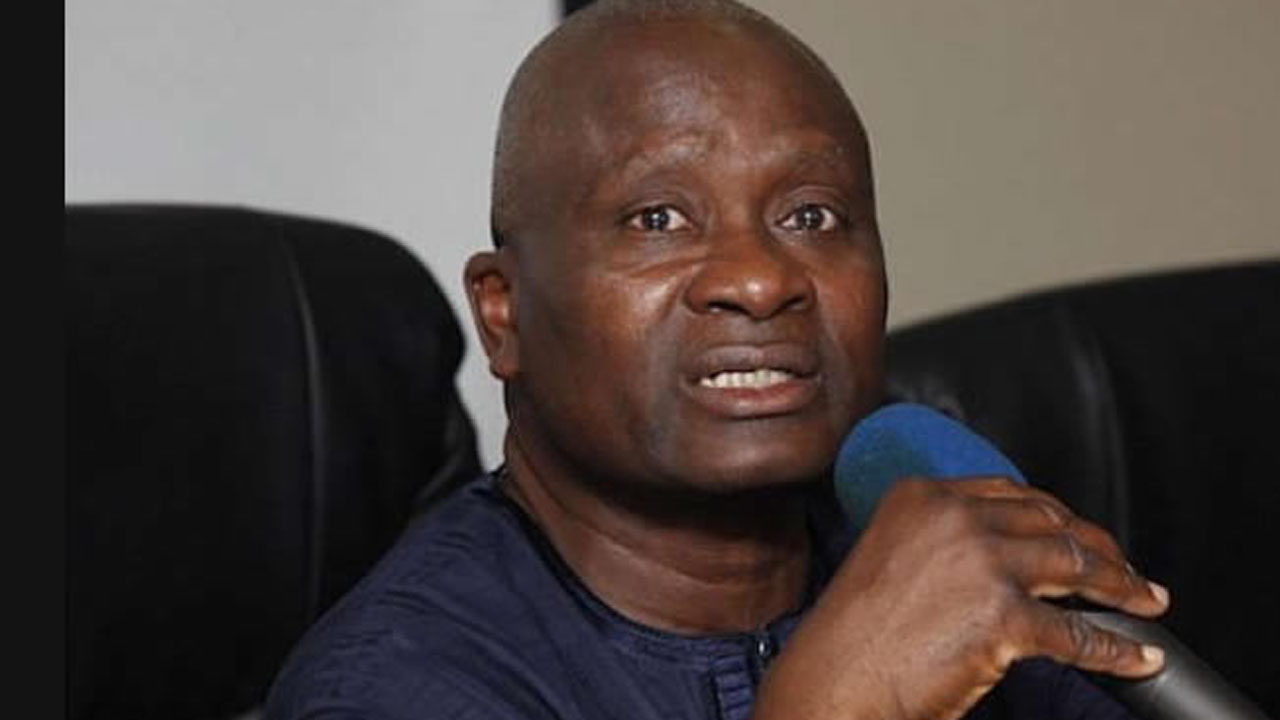
The Director-General of NCDC, Dr Jide Idris, disclosed this while defending the Federal Government’s N10 billion emergency intervention fund released to the agency amid public concerns over the allocation during Nigeria’s response to an imported Ebola Virus Disease (EVD) case.
Idris clarified that the N10 billion was not exclusively for Ebola response but to strengthen preparedness against multiple epidemic-prone diseases, including Lassa fever, cholera, cerebrospinal meningitis, diphtheria, measles, monkeypox and antimicrobial resistance.
He said President Bola Tinubu approved the funding in June 2026 following the Ebola outbreak in the Democratic Republic of Congo, which had become a global emergency.
According to him, the allocation was released directly to NCDC, not the Presidential Task Force on Ebola Virus Disease, chaired by the Chief of Staff to the President.
He explained that the task force was established primarily to coordinate the national response, while the intervention fund was intended to address broader health security needs.
Funding Gap Remains Wide
Idris said the N10 billion represented approximately two per cent of the average annual cost of implementing NAPHS 2.0, underscoring the funding gap facing Nigeria’s health security system.
Although not all activities under the five-year plan would be funded through NCDC, he said the estimated cost demonstrated the scale of investment required to protect the population against public health threats.
He also cited estimates by the Global Preparedness Monitoring Board indicating that countries require between $1 and $2 per person annually to achieve an acceptable level of epidemic preparedness.
Applying the benchmark to Nigeria’s estimated population of 240 million, he said the country would require between $240 million and $480 million annually.
He called for sustained investment by federal and state governments, as well as development partners, to bridge the funding gap.
The NCDC boss disclosed that the agency’s allocation rose from N4 billion in 2024 to N7 billion in 2025, alongside a N5 billion intervention fund that year. The 2026 Appropriation provided N22 billion, while the additional N10 billion was approved in June to strengthen existing disease prevention and response activities.
He said the intervention should be viewed within the broader investment required to protect Nigeria’s population and economy.
No Active Ebola Case
On Nigeria’s Ebola response, Idris said the country confirmed its first imported case of Bundibugyo Ebola Virus Disease on October 20, 2026, within 24 hours of receiving the alert in Abuja.
He said there was no active Ebola case at the time of his statement, although surveillance and contact monitoring would continue until all identified contacts completed the mandatory 21-day follow-up without developing symptoms.
No Restrictions On Elections, Gatherings
Addressing concerns about public events, elections, political campaigns and travel restrictions, Idris said the prevailing situation did not warrant postponing elections, banning mass gatherings or restricting travel.
He said NCDC had not recommended any such measures but had developed technical guidelines for organisers of mass gatherings to ensure compliance with infection prevention and control protocols.
According to him, events could proceed safely if organisers strictly adhered to established health and safety measures.
Idris also warned politicians and public commentators against politicising the Ebola response, saying misinformation, rumours and panic could undermine public trust and weaken efforts to contain public health emergencies.
He urged Nigerians to verify information through NCDC’s official communication channels before sharing it.
Calls For Sustainable Investment
Idris said inadequate funding had remained a major constraint to implementing Nigeria’s first National Action Plan for Health Security, making additional domestic and external financing necessary under the new plan.
He urged Nigerians, policymakers, media organisations and development partners to advocate adequate, sustainable and accountable funding for NCDC and the wider health security system.
He maintained that preventing outbreaks, averting deaths and avoiding economic losses required deliberate investment, warning that inadequate preparedness could lead to greater human, social and economic consequences.
We’ve got the edge. Get real-time reports, breaking scoops, and exclusive angles delivered straight to your phone. Don’t settle for stale news. Join LEADERSHIP NEWS on WhatsApp for 24/7 updates →
Join Our WhatsApp Channel