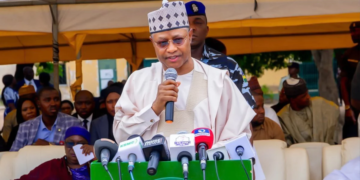
The recent announcement by the minister of Defence, Gen Christopher Musa (rtd.) that the federal government had increased the minimum monthly salary of Nigerian soldiers to N100,000 is a welcome development that deserves commendation.
Any effort to improve the welfare of the men and women who defend this nation from its enemies is a good one.
However, while the increment represents progress from the previous minimum salary of about N49,000, it remains far from adequate considering Nigeria’s current economic realities.
It is even deplorable that while civil servants have been paid the N70,000 minimum wage for a few years now, our gallant soldiers were receiving less until now.
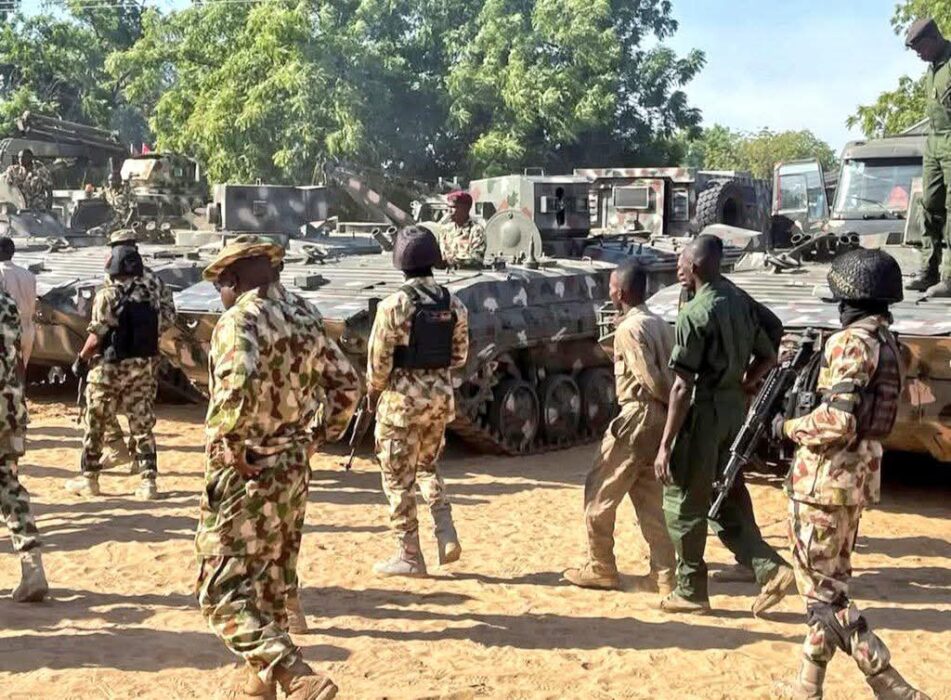
For soldiers who face danger daily, operate in difficult terrains and are engaged in prolonged battles against terrorists, bandits and other criminal elements, the now increased salary of N100,000 begs the question on how we compensate those who put their lives on the line to defend the nation.
Gen Musa also declared that the military is seriously underfunded. We, as a newspaper, support better funding of the military; however, the reality is that better funding must go beyond acquiring weapons and equipment; it must also prioritise the welfare of the human beings entrusted with using them. We also do not fancy the idea of publicising the remuneration of our gallant men and women in union in such fashion as it could cheapen them or reduce their public image.
The sustained inflationary trend in the economy makes the new salary paper weight. Data from the National Bureau of Statistics (NBS) indicate that the average daily basic cost of a healthy diet for one adult Nigerian is between N1,513 and N1,589. This means that feeding one person adequately for a month could consume a significant portion of a junior soldier’s income, even before considering rent, transportation, healthcare, family responsibilities and other essential needs.
This is particularly concerning because many junior personnel are also family breadwinners who support dependants while also dealing with the physical and psychological demands of military service.
A comparison with other countries further highlights the challenge. Junior ranks in the Ghana Armed Forces, including Privates, Lance Corporals and Corporals, earn estimated monthly base salaries ranging from GH¢1,800 (about N179,400) to GH¢3,000 (about N303,000).
While Ghana also faces economic pressures and its military pay structure includes allowances and benefits, its junior soldiers generally receive additional operational and welfare packages that supplement their earnings. Additionally, the country adjusts the salaries in line with inflationary trends.
In the United States military, a low rank private in the Army earns about $2,400 (over N3million) monthly, alongside comprehensive benefits including housing support, healthcare, food allowances and deployment incentives. The comparison is not to suggest that Nigeria should immediately adopt the American system, but it demonstrates the importance of ensuring that those who perform one of the world’s most demanding jobs are adequately compensated.
Military service is unlike ordinary employment. Soldiers are expected to confront threats that most citizens will never encounter. They operate in forests, deserts and conflict zones, often spending months away from their families and from comfort. Many have lost their lives and limbs in battles against Boko Haram, Islamic State West Africa Province (ISWAP), Ansaru, bandits and other armed groups. Such sacrifices demand a compensation structure that reflects the risks involved.
For some time, there have been muted concerns among military personnel over welfare, especially regarding salaries, allowances, accommodation, quality of feeding and general working conditions. While soldiers are bound by military discipline and cannot openly protest like workers in other sectors, it would not be wise for the authorities to ignore signs of dissatisfaction among the rank and file.
Poor remuneration can have serious consequences for operational effectiveness and national security. A poorly paid soldier battling heavily armed criminals may struggle with morale and motivation. In extreme circumstances, financial hardship can make them vulnerable to compromise.
This issue could also have implications for recruitment. Reports of reluctance among some young Nigerians, particularly in parts of the South-East, to join the armed forces have raised concerns. While several factors may contribute to this trend, including perceptions about security risks and career prospects, inadequate pay and welfare remain important considerations. Many of the youths could question themselves whether the remuneration was worth risking their lives.
A profession associated with high risk must offer sufficient incentives to attract patriotic and capable young Nigerians.
As we pointed out earlier, the government deserves recognition for taking steps to improve junior soldiers’ earnings, but the journey cannot end with the N100,000 minimum wage announcement. A comprehensive review of military remuneration is urgently needed, including hazard allowances, combat allowances, housing, healthcare, insurance and post-service benefits.
Already, the public service is demanding a significant rise in their remuneration due to the present economic realities, soldiers deserve no less.
We’ve got the edge. Get real-time reports, breaking scoops, and exclusive angles delivered straight to your phone. Don’t settle for stale news. Join LEADERSHIP NEWS on WhatsApp for 24/7 updates →
Join Our WhatsApp Channel