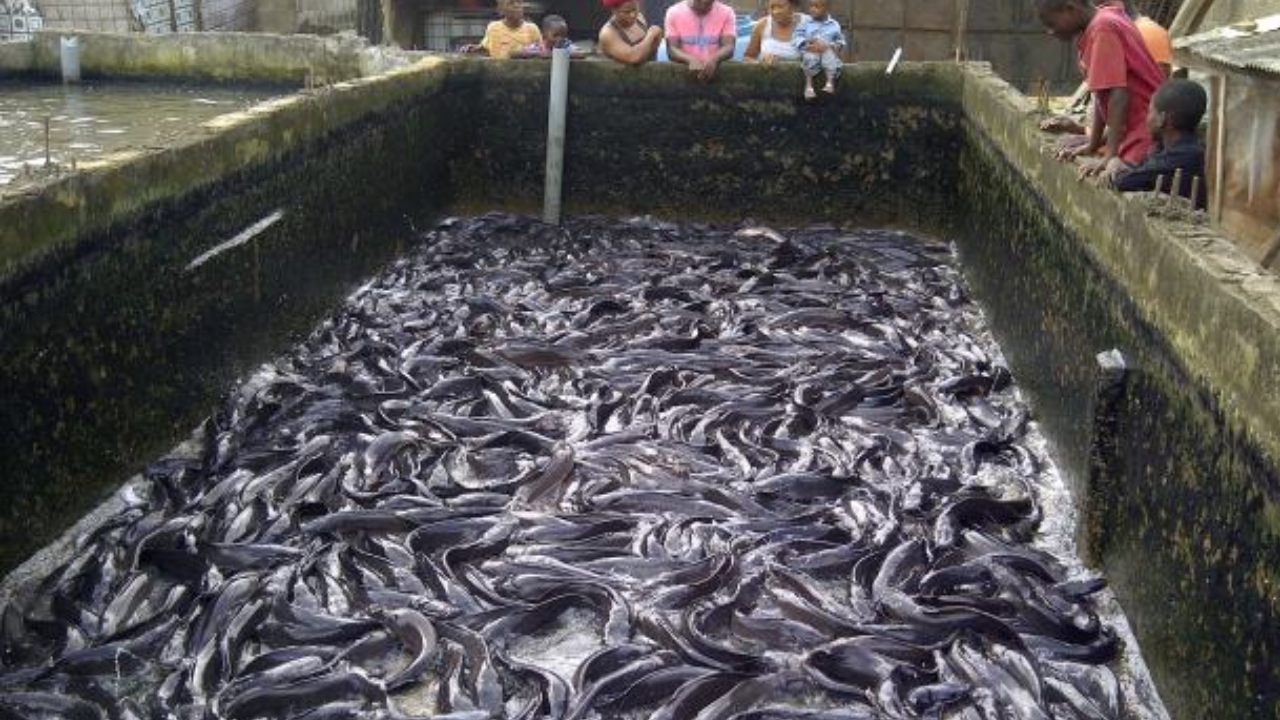
Aquatic animals remain an important source of food, income and livelihood for millions of farmers as Nigeria boasts a rich aquatic biodiversity, including various species of fish such as tilapia, catfish, water snails, frogs and shrimp, which are well-suited for aquaculture.
In Nigeria, the aquatic sector alone employs about 1.5 million in 2018, which represented about 2.6 percent of the global employment in fisheries and aquaculture.
Data show that the aquatic sector in Nigeria also contributes about USD 1.4 billion to the economy in 2018, a representation of 0.6 percent of the Nigerian GDP which about USD 1.2 billion came from capture fisheries and about USD 0.2 billion from aquaculture.
According to the Food and Agriculture Organisation (FAO) of the United Nations, Nigeria’s aquaculture production accounted for about 600,000 metric tons in 2018 which represents a significant increase from previous years and demonstrates the sector’s potential for expansion.
These positive outlook say much about the sector’s potential to create jobs, improved farmers’ livelihood and spur significant contribution to the country’s foreign exchange earnings, especially at a time when economic diversification into agriculture is pivotal to ameliorate poverty.
However, some challenges exist in the sector that can hamper effective running of aquatic farming in Nigeria. The animals in most cases are vulnerable to various diseases that can affect their health, productivity, and trade. Diseases which affect aquatic animals can have severe consequences for food and nutritional security, economy, public health and the delicate balance of aquatic ecosystems.
Therefore, ensuring the health and welfare of aquatic animals is a matter of national importance and a key component of sustainable development.
To address this challenge, the Federal Ministry of Agriculture and Food Security has launched the National Aquatic Animal Health Strategy for Nigeria (NAAHS) to cover the period of 2023-2027.
The strategy is a comprehensive framework that aims to prevent, control, and manage diseases in aquatic animals through a systematic, holistic and sustainable approach.
The NAAHS covers various aspects of biosecurity, such as disease prevention and control, surveillance and reporting, emergency preparedness and response, capacity building, research and innovation, legislation and regulation, communication and awareness, and stakeholder engagement.
The expectation of the new framework to have a positive impact on thousands of Nigerians who rely on fish farming for their livelihoods and increase fish availability for human consumption.
It will also protect the health of human population, enhance the resilience of both marine and terrestrial ecosystems, and promote international trade of aquatic animal species such as aquaculture fish, shrimps, water snails, and frogs.
More importantly, NAAHS is aligned with the national policies and strategies on agriculture, fisheries, environment, health, trade, and development. It is also in line with the regional and international standards and obligations on aquatic animal health.
At the launch of the strategy in Abuja, the ministry’s permanent secretary, Dr Ernest Umakhihe noted that the implementation of strategy will minimise the negative impacts of aquatic pathogens, protect the health of human population, enhance the resilience of both marine and terrestrial ecosystems within the country and also promote international trade of aquatic animal species.
Represented by the directors, Fisheries and Aquaculture, Dr Ime Umoh, the Perm Sec said the framework marked a significant milestone in Nigeria’s commitment to the well-being of aquatic ecosystems, the prosperity of aquatic industry and exploration of potentials of the industry towards food and nutritional security.
He noted that indiscriminate use of antibiotics in aquaculture constitutes a major driver to antimicrobial resistance (AMR) and addition, climate change also threatens aquaculture by providing opportunities for some undesirable pathogens to establish in waters with warmers conditions.
Umo said that the development of a comprehensive aquatic animal health strategic plan is address some of these challenges in the aquaculture sector as a necessity to provide roadmap for improved and safe fishery production and productivity in Nigeria.
According to chief veterinary officer of Nigeria, Dr Columba Vakuru, it is imperative that Nigeria take proactive measures to safeguard the health and well-being of aquatic animals.
He said that the diseases affecting aquatic animals can have severe consequences for food and nutritional security, economy, public health, and the delicate balance of aquatic ecosystems and prioritizing the health of animals, Nigeria can safeguard it’s economy, protecting public health, and preserving natural heritage for future generations.
We’ve got the edge. Get real-time reports, breaking scoops, and exclusive angles delivered straight to your phone. Don’t settle for stale news. Join LEADERSHIP NEWS on WhatsApp for 24/7 updates →
Join Our WhatsApp Channel