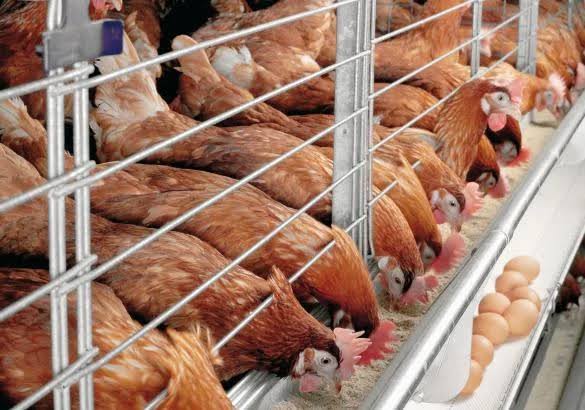
The Sustainable Entrepreneurship-led Poultry Transformation Programme (SEPTP), in partnership with the Mastercard Foundation, has called for sustained funding and effective implementation of the National Animal Feed and Fodder Policy to reduce feed costs and improve the livelihoods of poultry entrepreneurs.
The programme said the policy could improve access to affordable, quality feed, strengthen poultry businesses and create employment opportunities for young people, particularly women and persons with disabilities.
The call was contained in a statement issued by SEPTP communications specialist, Jessica Esin, following a stakeholder workshop organised by the Federal Ministry of Livestock Development in Abuja.
The workshop focused on translating the policy into practical measures through clearly defined responsibilities, implementation timelines and funding arrangements.
The minister of Livestock Development, Idi Maiha, had identified inadequate access to animal feed as a major constraint to livestock production, calling for an organised, commercially viable and climate-resilient feed and fodder system.
SEPTP noted that high feed prices and unreliable supplies continued to undermine the earnings and growth prospects of young poultry entrepreneurs.
It said the proposed implementation framework included community storage facilities, early-warning systems for feed shortages, improved institutional coordination and better access to finance.
According to the programme, effective implementation of the measures would help poultry farmers plan production, protect their investments and sustain their businesses.
SEPTP also highlighted its efforts to reduce poultry feed costs through the processing of High-Quality Cassava Peel (HQCP) as an alternative feed ingredient, particularly by supporting young women to develop enterprises around the product.
It said the initiative aligned with the policy’s emphasis on alternative feed resources while creating business opportunities through the productive use of agricultural by-products.
The programme added that the policy could stimulate investment and generate jobs in feed processing, storage, transportation and distribution.
SEPTP, which works with government agencies and private-sector organisations to strengthen the poultry value chain, called for clear accountability and meaningful engagement with producers and young entrepreneurs as the policy moved towards adoption and implementation.
The programme’s consortium comprises Christian Aid, Sahel Consulting, the International Livestock Research Institute, Animal Care, Amo Farms and Pullus Africa.
We’ve got the edge. Get real-time reports, breaking scoops, and exclusive angles delivered straight to your phone. Don’t settle for stale news. Join LEADERSHIP NEWS on WhatsApp for 24/7 updates →
Join Our WhatsApp Channel