
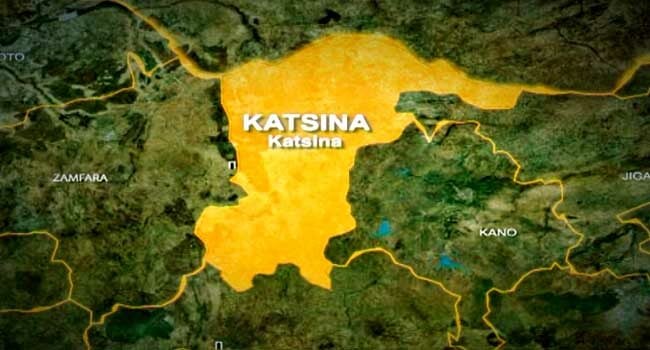
Stakeholders drawn from government institutions, civil society organisations, and security agencies have convened in Katsina State for a two-day capacity building session aimed at reviewing and strengthening the implementation of the State Action Plan on Women, Peace and Security (WPS).
The training, organised under the Strengthening Peace and Resilience in Nigeria (SPRING) Programme, focused on enhancing coordinated responses to conflict-related challenges, particularly sexual and gender-based violence, in line with United Nations Security Council Resolution 1325.
Speaking during the session, the Northwest Regional Manager of the SPRING Programme, Abubakar Sambo, said the engagement was designed to assess Katsina State’s response mechanisms to conflict and evaluate progress made under previous national action plans.
According to him, the state’s WPS Action Plan, developed several years ago, is being revisited to identify achievements, challenges, and gaps that require strategic adjustments for improved service delivery.
Sambo explained that the review process brings together a broad spectrum of actors, including ministries, security agencies, and civil society groups, to reflect on their roles and strengthen collaboration in addressing issues affecting women, children, and other vulnerable populations in conflict situations.
He emphasised that women and children remain the most impacted during crises, noting that the SPRING Programme prioritises their inclusion not only as beneficiaries but also as active participants in planning, implementation, and monitoring processes.
The regional manager further stressed the importance of engaging grassroots organisations that work directly with women, adding that such involvement would ensure that interventions remain people-centred and impactful.
Describing the training as part of an ongoing engagement rather than a one-off event, Sambo disclosed that stakeholders would conduct periodic reviews on a weekly, monthly, and quarterly basis.
He added that follow-up meetings would be held every three to six months to track progress in implementing the action plan across sectors.
He highlighted the multi-sectoral nature of the initiative, which involves key institutions such as the ministries of humanitarian affairs, health, and agriculture, alongside security agencies including the police, civil defence, and the National Agency for the Prohibition of Trafficking in Persons.
While clarifying the role of the programme, Sambo noted that SPRING does not directly execute all interventions but supports relevant agencies by strengthening coordination, accountability, and institutional capacity.
He further explained that SPRING is a four-year initiative funded by the United Kingdom government, operating across multiple sectors and local government areas based on identified needs.
The programme supports early warning and response systems, partners with women-led organisations, engages youth groups, and collaborates with traditional and informal security actors to advance peacebuilding efforts.
He added that the initiative also provides training for community actors, including vigilantes and traditional leaders, on alternative dispute resolution mechanisms to enhance local conflict management.
Sambo urged stakeholders to take full ownership of the initiative, stressing that development partners only provide temporary support, calling on state institutions to sustain the gains recorded by leveraging local resources and strengthening partnerships to ensure long-term peace, stability, and resilience in Katsina State.
We’ve got the edge. Get real-time reports, breaking scoops, and exclusive angles delivered straight to your phone. Don’t settle for stale news. Join LEADERSHIP NEWS on WhatsApp for 24/7 updates →
Join Our WhatsApp Channel