
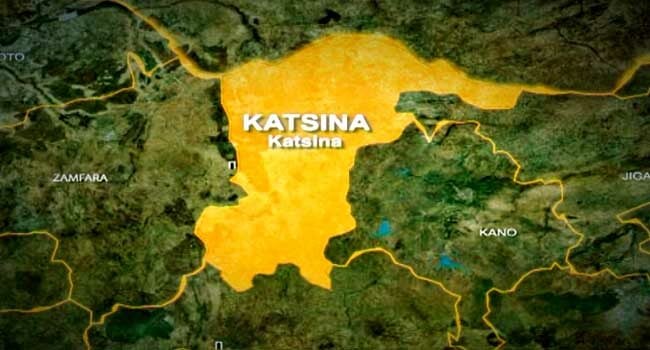
A total of 200 stakeholders have converged on Katsina State for a high-level two-day dialogue aimed at preventing farmers–herders’ conflicts ahead of the 2026 rainy season.
It is part of the ongoing peacebuilding and resilience efforts supported by development partners.
The engagement which started at Katsina Guest Inn on Monday, brought together farmers, pastoralists, traditional rulers, religious leaders, civil servants, women, youth groups, persons with disabilities, civil society organisations, media practitioners, and development partners.
It was organised under the Conflict Prevention, Crisis Response and Resilience (CPCRR) Programme, funded by the European Union and implemented by Mercy Corps in partnership with the International Organization for Migration (IOM) and the Centre for Democracy and Development (CDD), in collaboration with the Katsina State Government.
Speaking at the session, Mercy Corps programme manager, Philip Ikita, said the retreat was convened as a proactive step to reduce recurring clashes between farmers and herders, which often intensify during the rainy season due to competition over farmland, grazing routes, and water resources.
He explained that the CPCRR initiative focuses on addressing the root causes of conflict through inclusive dialogue, community resilience building, and strengthening local peace structures.
According to him, the programme also enhances coordination among government institutions, communities, and other stakeholders, while improving early warning and response mechanisms to prevent escalation of disputes.
The state Commissioner for Livestock Development, Ahmed Bakori, during the engagement, emphasised that insecurity in rural areas is largely rooted in community-level dynamics and requires grassroots solutions.
He noted that farmers and herders are interdependent, stressing the need for mutual understanding to ensure peaceful coexistence.
“The planning involves farmers, civil servants, traditional rulers, and religious leaders working together to ensure peace,” he added.
He further explained that while farmers require access to farmland for cultivation, pastoralists also need safe routes for livestock movement and trade, making cooperation essential for stability.
The commissioner observed that earlier interventions in local government areas such as Jibia, Batsari, Safana, and Kankara had already improved relations between farmers and herders, compared to areas yet to receive similar sensitisation.
The organisers noted that the dialogue builds on progress recorded in previous engagements held in 2024, which helped reduce tensions and improve collaboration in several communities.
At the end of the retreat, participants are expected to develop a joint action plan to guide conflict prevention and mitigation efforts throughout the 2026 farming season.
The CPCRR programme continues to operate across multiple frontline communities in Katsina State, with a focus on strengthening long-term peace, stability, and socio-economic recovery in Northwest Nigeria.
We’ve got the edge. Get real-time reports, breaking scoops, and exclusive angles delivered straight to your phone. Don’t settle for stale news. Join LEADERSHIP NEWS on WhatsApp for 24/7 updates →
Join Our WhatsApp Channel