As Nigeria strengthens its position as a major engineering and contracting market in Africa, the next challenge is ensuring that local companies have the capacity, infrastructure and technical expertise to deliver more of the projects driving industrial growth. A report by Business Insider Africa, citing Chinese officials, identified Nigeria as China’s largest engineering contracting market in Africa. The recognition reflects the scale of Nigeria’s infrastructure ambitions, but market size tells only part of the story. The bigger question is whether Nigeria can build the domestic capacity to capture more of the value these projects generate.
Delivering more of that work locally would extend benefits beyond project execution to jobs, skills, supply chain growth and industrialisation. Energy, manufacturing, transport and power projects all depend on engineering, steel fabrication, galvanising, equipment and reliable supply chains. Whether Nigeria can meet the technical and delivery requirements of projects at this scale is a fair question, particularly in oil and gas, the country’s largest export earner, where project efficiency matters most.
Building on existing engineering capacity
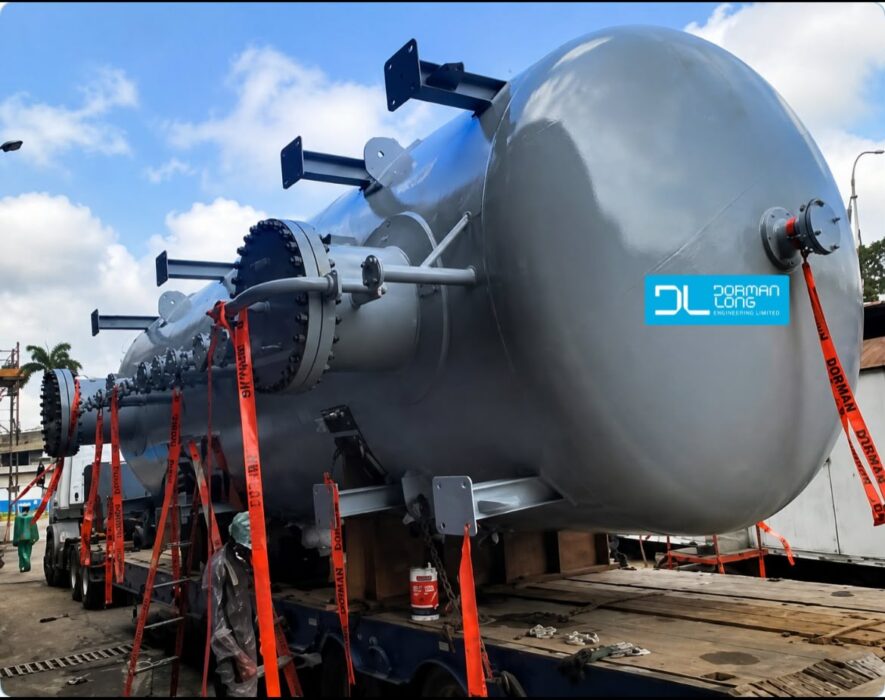
Developing local capacity does not mean starting from scratch. Nigerian engineering companies have spent decades building the facilities, technical knowledge and operational experience that major projects require. Dorman Long Engineering is one example. Founded in 1949, the company has expertise in heavy engineering, steel fabrication, galvanising, engineering, procurement and construction (EPC), and supply chain services for the oil and gas, power, telecommunications and manufacturing sectors, delivered from three major facilities in Lagos.
Its track record includes the approximately 2,000-tonne Madu Conductor Supported Platform for the First E&P/NNPC joint venture, described as the first offshore platform fabricated entirely in Nigeria. The project engaged about 250 Nigerians and recorded no Lost Time Injuries (LTIs). The company has also fabricated suction piles and buoy structures for Shell’s Bonga field and piles for ExxonMobil’s Erha development.
These projects show that local companies can contribute to technically demanding developments. They also show that capacity takes time to build. Beyond equipment and a fabrication yard, it takes technical expertise, operational discipline and quality standards that meet complex specifications consistently. That track record gives Nigeria a foundation on which to scale its industrialisation efforts, and positions Dorman Long to play a part in them.
Turning energy investment into local industrial value
The need for local capacity is most pressing in the energy sector. NNPC Ltd has outlined plans to mobilise more than US$60 billion in investment across the energy value chain, signalling the scale of the work ahead. For that investment to produce wider industrial benefits, local companies must be positioned to take part. That means being able to fabricate steel components, provide corrosion protection through galvanising, and deliver engineered products to demanding technical specifications. Where these services exist locally, developers can source more within Nigeria, which creates work for domestic suppliers, builds technical expertise and strengthens the supply chain.
The company’s immediate priority is to maximise use of its existing facilities and technical capabilities while working with strategic partners to deliver complex projects. Further investment will be assessed against demand, keeping growth disciplined. That approach has attracted financial backing: Afreximbank recently extended a US$10 million revolving trade finance facility to Dorman Long Engineering Limited to support the importation of steel pipes for threading.
Participation also needs the right conditions. Nigerian engineering firms should be considered early in project planning and procurement, so they understand technical requirements and have a fair chance to demonstrate their capabilities. Continued investment in workforce development, equipment and quality systems is equally important so that local suppliers can compete on performance, reliability and delivery. The aim is not to favour local suppliers regardless of capability, but to build an environment in which more Nigerian companies can meet the standards major projects require.
From a major market to a stronger industrial base
Attracting projects is only part of the equation. The longer-term value lies in building the domestic companies, skills and supply chains that can deliver more of the work. This calls for collaboration among project developers, policymakers, investors and local engineering firms, along with consistent investment in infrastructure, technical training and quality standards, and procurement practices that give capable Nigerian companies meaningful opportunities. Companies such as Dorman Long Engineering show that Nigeria already has an engineering foundation to build on. The next step is to connect it more effectively to the country’s infrastructure and industrial ambitions.
Ultimately, Nigeria’s success as an engineering market should be measured not only by the projects it attracts, but by the strength of the local industry it builds through delivering them.
We’ve got the edge. Get real-time reports, breaking scoops, and exclusive angles delivered straight to your phone. Don’t settle for stale news. Join LEADERSHIP NEWS on WhatsApp for 24/7 updates →
Join Our WhatsApp Channel