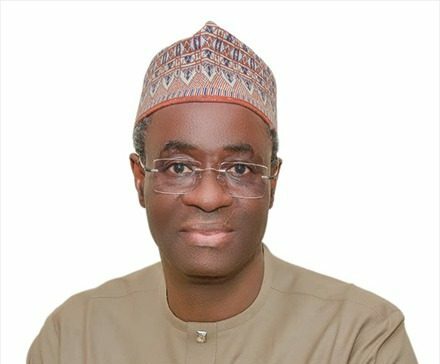
Just ahead of the 2027 general elections, the DG of the Budget Office, Tanimu Yakubu, is pushing back against allegations that the Bola Tinubu administration has engaged in excessive borrowing, leading to the N109tn rise in public debt. There are reasons to correct the record.
Late last month, political turmoil followed the sacking of Senegal’s Prime Minister, Ousmane Sonko by President Bassirou Faye. Days later, Sonko, with his party’s parliamentary majority, was elected Speaker, giving him a veto over the budget and negotiations with the IMF.
The roots of the power tussle between Faye and Sonko go back to a 2024 audit that uncovered a $7bn secret debt incurred by the previous government. It caused trust issues, the freezing of a $1.8bn IMF facility and debt restructuring negotiations.
Events in Senegal brought scrutiny to external borrowing by the Tinubu administration and the rise of Nigeria’s debt profile from N49.9tn in early 2023 to N159.3tn by the end of 2025.
They are attributing the N109tn debt increase to transparency, the capture of unrecorded obligations, and exchange rate unification, rather than to the kind of secrecy that has fueled political turmoil in Senegal.
It matters because of financial ratings and Nigeria’s relationship with international institutions. To remove politics from the debate, it is Tanimu Yakubu that has come out to give a detailed explanation for the N109.4tn rise in debt.
Yakubu insists the government has only borrowed N37.8tn. And when it comes to external obligations in the currency they exist in, the DG says total public debt increased from US$108.3 billion to $111 bn; an increase of $2.7bn.
In an article he published on June 9, Yakubu said N30tn of that increase arose from the recognition of historical Ways and Means obligations accumulated by the previous government.
A further N41.6tn, he wrote, reflected the revaluation of existing external debt following exchange-rate reforms, with the two factors accounting for N71.6tn of the increase in the reported debt stock without constituting new borrowing.
Nigeria, like many African countries, is entering an era in which tax policies, external borrowing, job opportunities, and cross-border migration are taking centre stage in political contests and leading to social unrest.
As a technocrat, Yakubu is not fending off an Ousmane Sonko riling up the country for political gain. He is no Julius Malema either, chiding citizens for taking to the streets. But his positions on fiscal policy are being put to the test, challenged and are nevertheless reshaping politics and elections.
We’ve got the edge. Get real-time reports, breaking scoops, and exclusive angles delivered straight to your phone. Don’t settle for stale news. Join LEADERSHIP NEWS on WhatsApp for 24/7 updates →
Join Our WhatsApp Channel