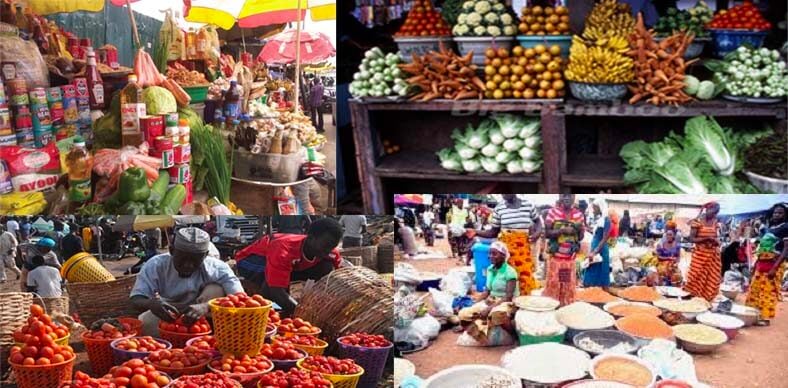
The report that Nigeria records nearly 50 million cases of food-borne illnesses annually is both alarming and deeply disconcerting.
The disclosure, made during the 2026 World Food Safety Day commemoration themed “From Burden to Solutions – Safe Food Everywhere”, underscores a public health challenge that demands urgent national attention.
According to the World Health Organisation (WHO), unsafe food is responsible for more than 53,000 deaths in Nigeria each year. Even more troubling is the disproportionate impact on children.
The Minister of State for Health and Social Welfare, Dr Iziaq Adekunle Salako, painted a grim picture of the country’s food safety situation, noting that food-borne diseases account for approximately 4.26 million of healthy life lost annually through illness, disability and premature death.
Children under the age of five bear more than 80 per cent of Nigeria’s food-borne disease burden. Beyond sickness and mortality, these illnesses rob young people of their cognitive, physical and developmental potential, creating consequences that extend far beyond the immediate health sector.
Food-borne illnesses are not merely a public health concern; they are also an economic and social challenge. Their prevalence comes at a time when Nigeria is grappling with one of its most severe food and nutrition crises in recent history.
An estimated 35 million Nigerians are currently experiencing acute food insecurity, leaving millions of households struggling to secure adequate and nutritious meals.
The rising cost of living has worsened the situation considerably. Food inflation remains persistently high, driven by increased fuel prices, transportation costs, fertiliser expenses and broader economic pressures.
For many families, putting food on the table has become a daily struggle. As household incomes shrink and food prices continue to rise, consumers are increasingly compelled to prioritise affordability over quality and safety.
This reality places Nigeria at a dangerous crossroads where food scarcity and food borne diseases intersect. When food becomes scarce and expensive, households are more likely to purchase cheaper products of questionable quality, consume food beyond recommended storage periods, or compromise on proper food handling practices. In such circumstances, the risk of food contamination and food poisoning inevitably increases.
food borne diseases, commonly referred to as food poisoning, occur when people consume food or beverages contaminated by harmful bacteria, viruses, parasites or toxic chemicals. Contamination can occur at any stage of the food chain, from production and processing to transportation, storage, preparation and consumption.
Experts classify food borne illnesses into two broad categories. The first involves infections caused by consuming live pathogens that multiply within the digestive system. The second involves intoxications resulting from toxins produced by bacteria or moulds that contaminate food before consumption.
Sadly, the overwhelming majority of food borne illnesses in Nigeria are linked to diarrhoeal diseases. More than 40 million cases annually are associated with pathogens such as Salmonella, Escherichia coli (E. coli), Campylobacter, Shigella and rotavirus.
These infections continue to contribute significantly to hospital admissions, malnutrition and preventable deaths, particularly among young children.
Beyond infectious diseases, poor food quality and unhealthy dietary practices are also fuelling the growing burden of non-communicable diseases.
Hypertension, stroke, diabetes, obesity and cardiovascular diseases are increasingly linked to diets high in salt, sugar and unhealthy fats. Thus, food safety must be viewed not only through the lens of contamination but also through the broader perspective of nutritional wellbeing.
Addressing this challenge requires both immediate and long-term interventions. Public awareness campaigns must prioritise food safety education, equipping citizens with practical knowledge about proper food handling, storage and preparation.
Consumers should be encouraged to wash fruits and vegetables thoroughly, cook food adequately, avoid cross-contamination and recognise signs of spoilage before consumption.
Equally important is the need to strengthen inspection and regulatory enforcement across markets, food processing facilities and distribution channels. Informal food vendors, who provide affordable meals to millions of low-income Nigerians, should be supported through training and regular monitoring to ensure compliance with basic food safety standards.
Local governments also have a critical role to play. Access to clean water, sanitation facilities and effective waste management remains essential in preventing food contamination at both household and community levels.
Investments in these areas will yield significant public health benefits and reduce the incidence of preventable diseases.
Encouragingly, there are signs of progress. According to Dr Salako, Nigeria’s 2023 Joint External Evaluation recorded measurable improvements in food safety capacity indicators.
Furthermore, the country’s 2025 State Party Annual Report score surpassed the WHO food safety target for low- and middle-income countries as well as the Sub-Saharan African regional benchmark.
The government has also strengthened inter-agency collaboration through the National Food Safety Management Committee and developed the 2023 National Integrated Guidelines for Foodborne Disease Surveillance and Response.
These measures are intended to enhance disease detection, outbreak investigations, food recalls and risk communication.
Nevertheless, much work remains to be done.
P
food borne illness symptoms can emerge within minutes or several weeks after consuming contaminated food. Common symptoms include nausea, vomiting, diarrhoea, abdominal pain, fever and chills. While many cases resolve without medical intervention, severe infections can lead to dehydration, kidney failure, liver damage and neurological complications, particularly among children, older persons and individuals with weakened immune systems.
As Nigeria continues to confront food insecurity and economic hardship, food safety cannot be treated as a secondary concern.
Safe food is not a luxury; it is a fundamental requirement for public health, national productivity and sustainable development. Protecting Nigerians from foodborn illnesses must therefore become a shared responsibility involving government, businesses, communities and individual households.
In the face of scarcity, ensuring that available food is safe may prove just as important as ensuring that there is food to eat at all.
We’ve got the edge. Get real-time reports, breaking scoops, and exclusive angles delivered straight to your phone. Don’t settle for stale news. Join LEADERSHIP NEWS on WhatsApp for 24/7 updates →
Join Our WhatsApp Channel