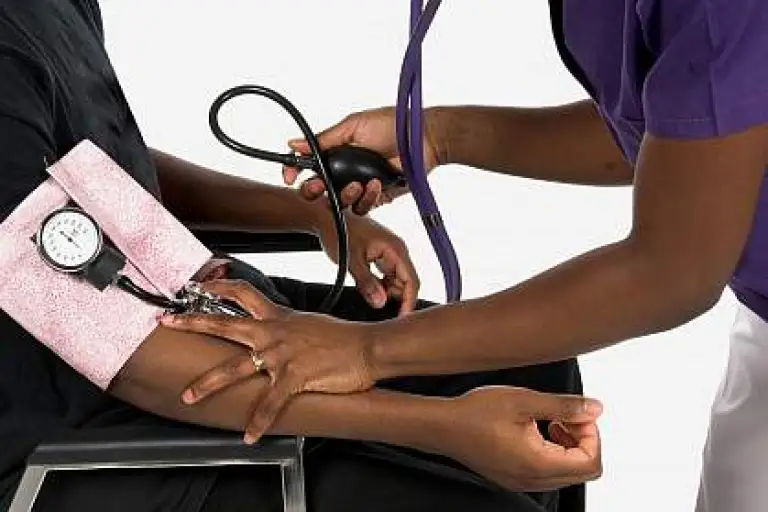
Improving health literacy is not just about providing information—it‘s about breaking down barriers, empowering communities, and ensuring that every individual has the knowledge to manage their health and prevent the devastating consequences of conditions like hypertension.
Hypertension, known as the “silent killer,“ disproportionately impacts Black communities worldwide, including in Nigeria and the African diaspora, where systemic barriers like inequities in healthcare access, cultural stigmas, and limited health literacy hinder effective management.
Health literacy—the ability to understand and use basic health information—is a critical factor influencing treatment adherence. Low health literacy among Black individuals often results in difficulties understanding medical instructions, adhering to medication schedules, and making necessary lifestyle changes, leading to poorer health outcomes. This issue is especially acute in resource-limited settings, where access to education and healthcare support is already constrained.
In Nigeria, the challenges are compounded by a fragmented healthcare system where rural populations, including many Black Nigerians, often lack access to health education programs and qualified medical personnel. Many patients rely on overburdened healthcare workers or informal advice from non-medical sources, leading to a high prevalence of medication non-adherence. For instance, studies show that patients with limited health literacy are more likely to misunderstand dosage instructions, skip medication, or abandon treatment entirely when side effects occur, further worsening their condition.
Dr. Christiana Oyekanmi, a researcher at the University of Delaware, along with a team of esteemed scholars, has been investigating medication adherence among Black hypertension patients. Their study focused on the impact of health literacy on adherence to treatment among Black Medicaid beneficiaries aged 18–64 with hypertension in Delaware from 2016 to 2019, which was published as “Impact of Health Literacy on Medication Adherence Among Black Medicaid Beneficiaries with Hypertension in Delaware: A Cross-Sectional Study”.
By categorizing health literacy into levels—below basic, basic, intermediate, or proficient—the researchers assessed adherence rates, ranging from full to partial or nonadherence. Out of 18,958 participants with at least one hypertension diagnosis, the findings revealed a strong link between limited health literacy and poor medication adherence. These results underscore the urgent need for targeted interventions to improve health literacy and, in turn, enhance health outcomes within this community.
Addressing health literacy requires tailored public health campaigns that meet the diverse needs of Black communities, using simplified materials in local languages, visual aids, and community-based initiatives to enhance understanding. Healthcare providers should also be trained to communicate effectively, ensuring patients comprehend their treatment plans.
This societal challenge demands collaboration among governments, healthcare institutions, and community leaders, with sustained investment in education, healthcare infrastructure, and equitable access to resources. By prioritizing these efforts, we can break down barriers to quality hypertension care and improve health outcomes for Black individuals.
The research conducted by Dr. Christiana Oyekanmi and her esteemed team sheds critical light on the intersection of health literacy and medication adherence among Black individuals with hypertension. This groundbreaking study not only highlights the barriers posed by limited health literacy but also emphasizes its significant role in influencing health outcomes.
By categorising health literacy levels and examining their correlation with medication adherence, the research provides a clear pathway for targeted interventions that can empower patients with the knowledge needed to manage hypertension effectively. Such insights are invaluable in preventing the long-term complications of poorly managed hypertension, including stroke, heart failure, and kidney disease, particularly in underserved Black communities.
Furthermore, the study underscores the importance of early diagnosis and treatment, demonstrating how improved health literacy can encourage timely medical intervention and adherence to prescribed therapies, ultimately reducing the burden of hypertension-related health crises.
We’ve got the edge. Get real-time reports, breaking scoops, and exclusive angles delivered straight to your phone. Don’t settle for stale news. Join LEADERSHIP NEWS on WhatsApp for 24/7 updates →
Join Our WhatsApp Channel