Ten years ago, being a “social media influencer” in Nigeria was often dismissed as unserious work. Today, it’s a billion-naira business, a career path, and increasingly, a tool for social change. From brand deals and comedy skits to voter education and feminist activism, Nigeria’s influencer economy is booming, and its impact is reshaping commerce, culture, and communication.
This explosive growth sits at the intersection of technology, youth culture, and commerce. With over 100 million internet users and a median age of just 18, Nigeria’s vibrant digital landscape has become a hotbed for content creators who shape trends, drive consumer behaviour, and increasingly, influence public discourse. What started as a niche pastime for the tech-savvy has rapidly evolved into a formidable sector powering livelihoods, brand strategies, and cultural change for an online generation.
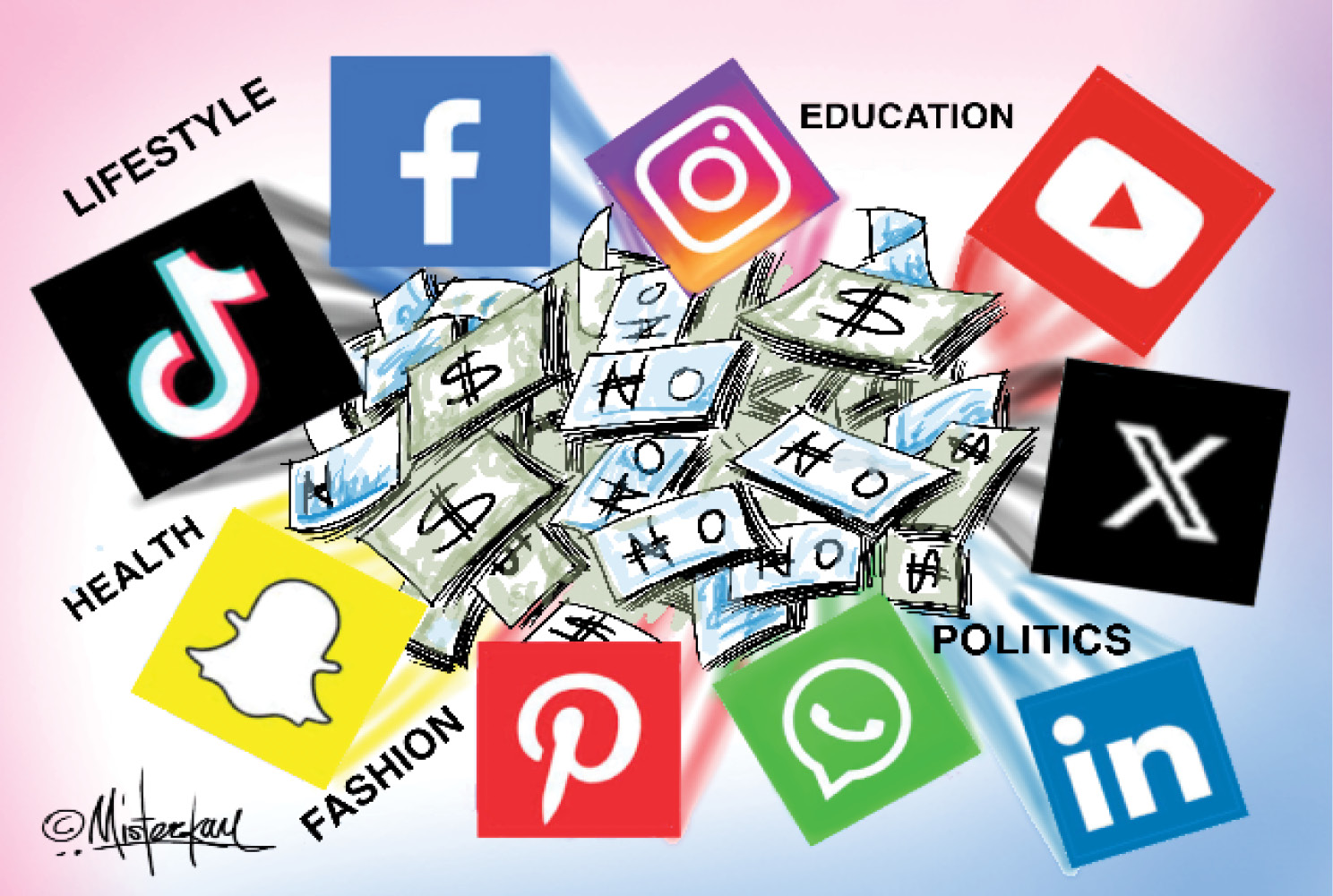
Nigeria is fertile ground for digital storytelling. Platforms like Instagram, TikTok, X (formerly Twitter), and YouTube have become more than entertainment spaces; they are marketplaces, political arenas, and creative stages. At the heart of this shift are influencers: individuals who’ve mastered the art of building trust, commanding attention, and mobilising audiences. From lifestyle curators and comedians to health educators and beauty experts, Nigerian influencers today span industries and ideologies.
But the rise of Nigeria’s influencer economy isn’t just about money—it’s also about identity, creativity, and community. Influencers have become cultural ambassadors, showcasing Nigerian fashion, language, food, and music to global audiences. On TikTok, a generation of young Nigerians blend traditional aesthetics with modern dance trends, garnering millions of views and collaborations with international stars.
This economy has also created new pathways for employment and self-expression, especially for young women and creatives who may face marginalisation in traditional workplaces. In a country with a youth unemployment rate exceeding 40%, influencing offers both economic independence and a platform for storytelling. What began as selfie culture has become a sophisticated industry, one that touches advertising, journalism, public health, and national consciousness.
The Business of Influence
What makes this ecosystem tick? Commerce. As TV viewership declines and consumer attention moves online, brands are reallocating advertising budgets to creators who offer relatability and direct engagement. Influencer marketing now cuts across sectors, from fintech to food delivery, from fashion to real estate. Companies pay for everything from subtle product placement in skits to full-fledged ambassador deals.
Influencing in Nigeria isn’t just about selling products; it’s also about shaping narratives. Comedian skit makers like Sabinus, BrainJotter, Mr. Macaroni, SarkinDariya, Chigul, DanBello, LayiWasabi, VeryDarkMan and Taaooma use humour and controversy to highlight societal dysfunctions while challenging government and state capture. Jackie Aina, based abroad but rooted in Nigerian identity, has challenged Eurocentric beauty standards on a global scale. Medical influencers like Aproko Doctor make health literacy cool, while content makers like Charity Ekezie dispel negative stereotypes about Africa. In each case, storytelling meets strategy.
There are also entrepreneurial influencers who’ve launched product lines, authored books, opened studios, or turned their pages into platforms for others. Some, like Dimma Umeh in beauty, DiaryOfANaijaGirl in lifestyle, Nkechi Bianze in community or The Smart Money Woman’s Arese Ugwu in finance, have become cultural institutions. What unites them is their ability to convert attention into action, whether it’s getting followers to buy a new beauty product, register to vote, or support a crowdfunding campaign.
Yet the influencer economy is not all gloss and growth. As competition intensifies, many creators experience burnout, cyberbullying, and financial instability. For women and outspoken activists, the digital spotlight often brings harassment alongside fame. Female influencers in particular face gendered scrutiny — moral policing, trolling, and the pressure to remain palatable. Influencing, especially for those tackling feminist or sexual health issues, becomes a political act.
Unfortunately, when it comes to regulation, the Nigerian government is playing catch-up. In 2022, the Advertising Regulatory Council of Nigeria (ARCON) introduced guidelines requiring influencers to label paid partnerships and obtain pre-approval for certain types of ads. Enforcement, however, remains limited. While the Federal Inland Revenue Service has signalled interest in taxing digital earnings, many influencers operate informally, without clarity on classification, income thresholds, or cross-border revenue obligations. Intellectual property is yet another minefield. In a fast-paced content ecosystem, ideas are often copied without credit, and creators struggle to assert ownership or pursue legal recourse.
Influence Meets Activism
Influencers are increasingly stepping into civic spaces, mobilising around elections, climate change, mental health, and youth empowerment. For many followers, these digital figures are more trusted than politicians or traditional media. This blending of influence and advocacy has also drawn criticism. Should influencers remain “neutral”? Are they equipped to speak on complex issues? The truth is: the boundaries are blurring, and audiences are watching closely.
To dismiss influencing as trivial is to misunderstand the power of digital media in Nigeria today. For millions of young Nigerians, influencing is not just a career, it is a lifeline, an identity, a megaphone and a sign of digital democratisation, where visibility can translate into voice, and voice into value.
The future of Nigeria’s influencer economy is already unfolding. Cross-platform storytelling means that successful influencers no longer rely on one platform; rather, they build ecosystems across video, newsletters, audio, and even live events. With generative tools becoming mainstream, we expect AI avatars and automated content to enter the space. Audiences are hungry for depth. They are increasingly engaging with global African audiences, opening doors to international partnerships. A new wave of creators are centering activism from disability rights to climate justice within their content.
Influencers are now indispensable to Nigeria’s digital economy. Unlike traditional celebrities, their power lies in relatability. Whether it’s a fashion stylist curating affordable looks, a comedian using skits to reflect societal quirks, or a health advocate breaking down medical facts, Nigerian influencers speak in the language of their audiences and brands have taken notice.
A Thriving Market for Digital Influence
At the heart of this boom is the shifting nature of advertising. With audiences increasingly ignoring traditional media, brands are investing in creators who command trust. According to Statista, Nigeria’s digital advertising revenue is projected to exceed $250 million by 2025, with influencer marketing accounting for a growing share. From telecommunications giants to small e-commerce startups, businesses now allocate significant portions of their marketing budgets to influencer campaigns.
Agencies and talent management firms have emerged to broker deals, train creators, and provide analytics to demonstrate campaign effectiveness. Influencers, once seen as freelancers, are increasingly professionalising with rate cards, media kits, and legal contracts. Platforms like Trendupp, Plaqad, and The Reach are further formalising the space, helping brands connect with the right creators using data-driven tools.
Looking ahead, the influencer economy shows no signs of slowing. Several key trends are shaping its future including generative AI tools, audio and podcasting, cross-platform storytelling, globalisation and impact investing. Nigeria’s influencer economy is more than a fad, it’s a structural shift in how Nigerians consume content, trust information, and relate to commerce, culture and social consciousness.
As the sector continues to evolve, it will need stronger frameworks for regulation, labour protection, and ethical accountability. Hence, government, civil society, and tech platforms must step up. But it also holds immense potential for entrepreneurship, creativity, advocacy, and global storytelling. In a country teeming with talent and resilience, the influencer economy is not just inevitable, it’s transformative.
We’ve got the edge. Get real-time reports, breaking scoops, and exclusive angles delivered straight to your phone. Don’t settle for stale news. Join LEADERSHIP NEWS on WhatsApp for 24/7 updates →
Join Our WhatsApp Channel