By KARIMATU MUSA DILLI, Abuja
In an age where love is often expressed through text messages, engagement rings and social media declarations, elders in some Fulani communities across northern Nigeria still remember a time when affection and marriage were tied to courage, endurance and public honour.
The tradition, known as Shadi, was once regarded as a cultural test of bravery among the Fulani people — a dramatic contest believed to determine which suitor was worthy of marrying a woman when two men sought her hand in marriage.
According to oral accounts preserved by community elders, the practice offered a peaceful alternative to violent rivalry. Instead of fighting with weapons or causing division within the community, the two men were subjected to a public endurance test before family members, elders and villagers.
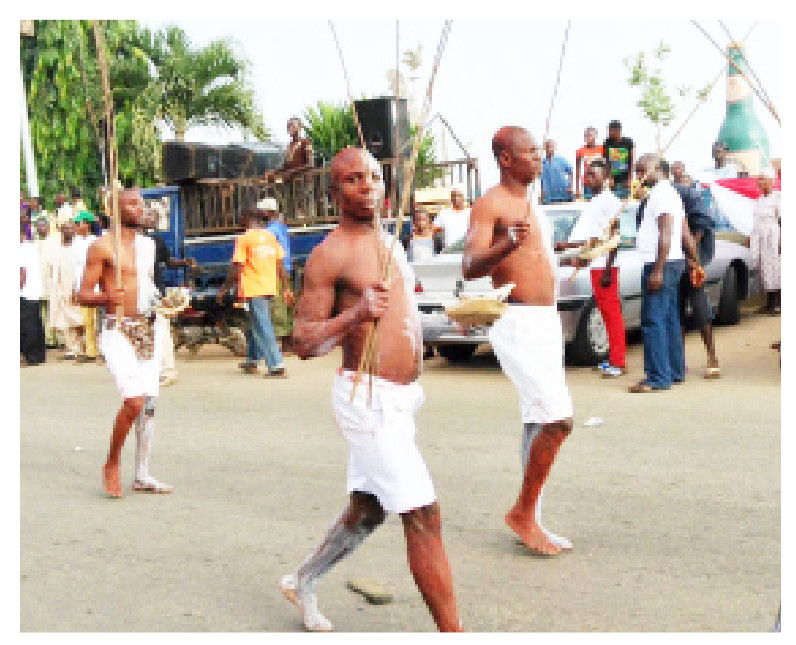
Armed with long canes, appointed participants flogged the rival suitors one after another while spectators watched closely. The rules were simple but severe: neither man was expected to cry, run away or display weakness.
The man who endured the punishment with greater composure and resilience was declared the winner and granted the right to marry the woman.
For many Fulani communities, courage was considered an essential quality of manhood. A husband was expected to possess patience, emotional control and the ability to withstand hardship — traits believed necessary for protecting and providing for a family.
Though physically painful, Shadi was often accompanied by celebration. Traditional drummers entertained the crowd while women sang songs praising bravery and endurance. The event usually attracted large gatherings and became both a cultural spectacle and a communal ceremony.
Cultural historians say such practices reflected the communal nature of traditional African societies, where marriage was rarely viewed as a private affair. Instead, it was seen as an institution involving families, elders and the wider community.
Today, however, the tradition has largely faded due to changing social values, western education, religious influences and growing concerns over human rights and personal freedom. Many younger Fulani now view marriage as a matter of mutual consent rather than public trials of endurance.
Yet, despite its decline, memories of Shadi continue to survive in stories shared across northern Nigeria, serving as reminders of a period when love, masculinity and honour were publicly tested.
For many elders who recall the practice, Shadi remains part of a rich cultural heritage — one that speaks to how communities once defined bravery, discipline and the meaning of devotion.
In those days, they say, love was not proven merely with promises. Sometimes, it was proven through endurance.
We’ve got the edge. Get real-time reports, breaking scoops, and exclusive angles delivered straight to your phone. Don’t settle for stale news. Join LEADERSHIP NEWS on WhatsApp for 24/7 updates →
Join Our WhatsApp Channel