Food systems are complex activities involving how food travels from planting to the eating table. This process of food production, processing, transport and consumption remains significant to the health, nutrition and well-being of mankind.
Nigeria‘s food systems reflect diverse cultures, ethnic groups and a rich heritage known for their flavours, varieties and the use of local ingredients such as cassava, yams, plantains, spices among others. However, despite the richness of Nigerian foods, the country faces several challenges in its food systems that affect its people‘s nutrition and health.
One of the challenges in Nigeria‘s food system remains food insecurity, which affects over 90 million Nigerians according to data by the Food and Agriculture Organisation of the United Nations (FAO). The country‘s food production system faces several challenges, including a lack of modern farming techniques, inadequate infrastructure, and the impacts of climate change which leads to reduced agricultural yields.
Another challenge is the issue of malnutrition, which affects both children and adults in Nigeria. According to a report by the Global Nutrition Report, one in three Nigerian children under the age of five is stunted due to malnutrition. Malnutrition in adults is also high, with a high prevalence of micronutrient deficiencies such as iron, vitamin A, and iodine.
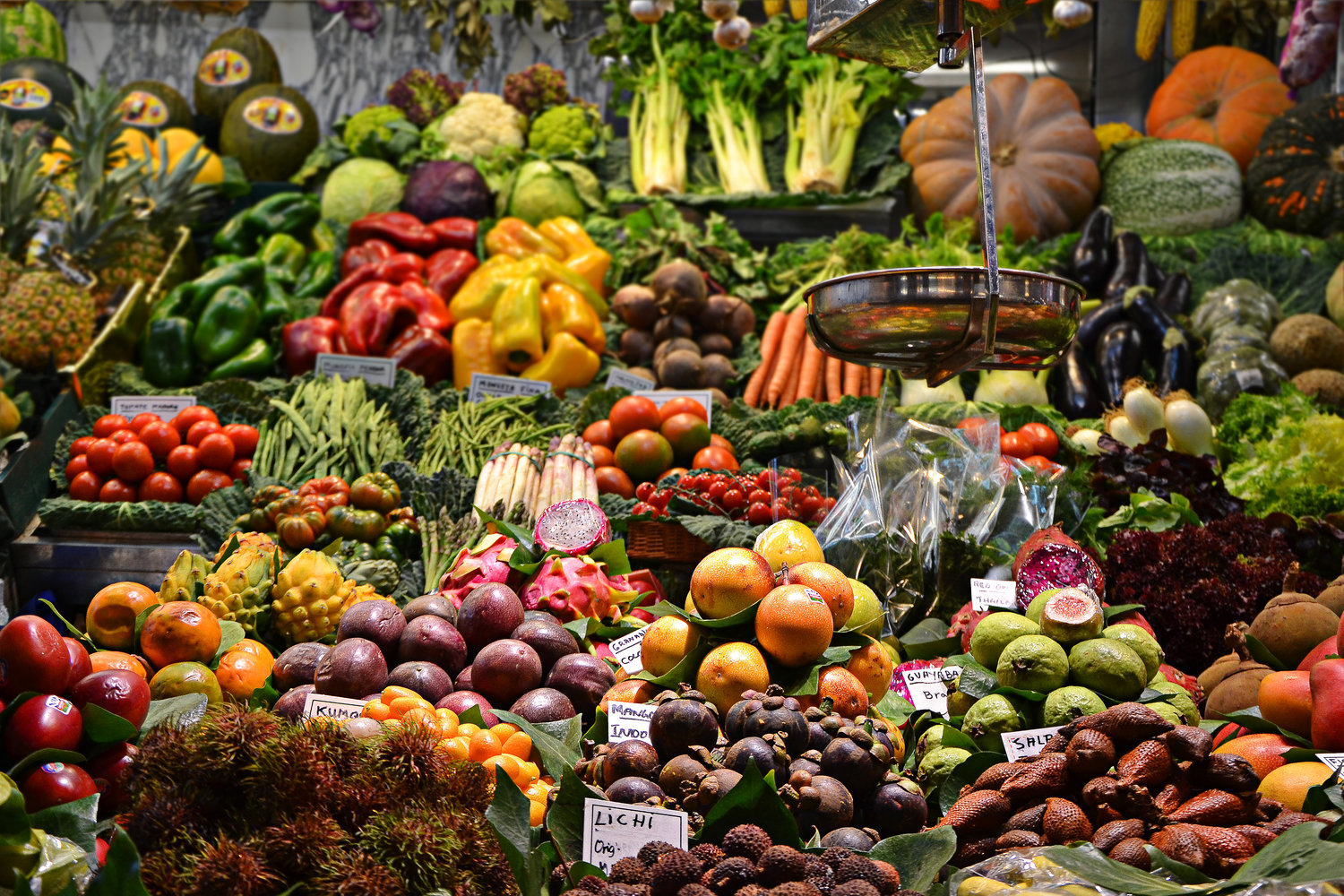
The food distribution system in Nigeria also presents challenges, with many rural areas lacking adequate transportation and storage facilities to ensure food reaches the people who need it. This leads to food waste, especially of perishable produce such as fruits and vegetables.
According to the United Nations, broken food systems are not inevitable, they are the result of choices we have made and there is more than enough food in the world to go around, more than enough money to fund efficient and sustainable food systems to feed the world, while supporting decent work for those who grow the food we eat, and more than enough agricultural innovations and technology that can place healthy food within reach of every person.
In his speech at the 2023 Food Systems Submit in Rome last week, United Nations Secretary General, António Guterres said many communities are one shock away from plummeting into food insecurity or even famine.
According to the UN chief, the State of Food Security and Nutrition Report released weeks ago found that one in five people in Africa is going hungry which represents more than twice the global average.
He said countries need greater investments in adaptation and resilient food, health, water, sanitation and agriculture systems that can withstand shocks, as well as early warning systems.
He urged governments therefore to respond to the call for an Sustainable Development Goals stimulus to scale up affordable long-term financing for all countries in need, by at least 500 billion dollars a year.
„This will help countries make meaningful progress towards Sustainable Development Goal 2 to achieve zero hunger, and build systems that can ensure people have access to affordable, nutritious food wherever they live.
And I call on governments to support the Food Import Facility proposed by the Global Crisis Response Group on Food, Energy and Finance to expand food accessibility for at least 50 countries facing acute food insecurity, and a Food Stockholding Mechanism for least-developed countries“, he said.
He added, „Governments and businesses must work together to build systems that put people over profit. I call on governments and the food, agricultural, transportation and retail industries to explore new ways to lower the cost and increase the geographic availability of fresh, healthy food for all people.
This also means keeping food markets open and removing trade barriers and export restrictions, it means leveraging science and technology to improve the efficiency and reach of food systems. We must also boost support for the women and men around the world who bring food systems to life — from farmers and food workers, to those who transport food to markets“.
There is no gainsaying that Nigeria‘s food systems face several challenges that affect the nutrition and health of its people. However, ongoing efforts by the federal and state governments to address these challenges and improve the country‘s food production, distribution, and consumption systems need to be redoubled. These efforts are critical to ensuring that Nigerians have access to nutritious food and can lead healthy and productive lives as citizens.
We’ve got the edge. Get real-time reports, breaking scoops, and exclusive angles delivered straight to your phone. Don’t settle for stale news. Join LEADERSHIP NEWS on WhatsApp for 24/7 updates →
Join Our WhatsApp Channel