The Chartered Institute of Transport and Logistics (CILT) has called for concerted efforts to raise the contribution of Nigeria’s transport sector to Gross Domestic Product (GDP) beyond the current four per cent, stressing the need for an integrated transport system to drive economic growth.
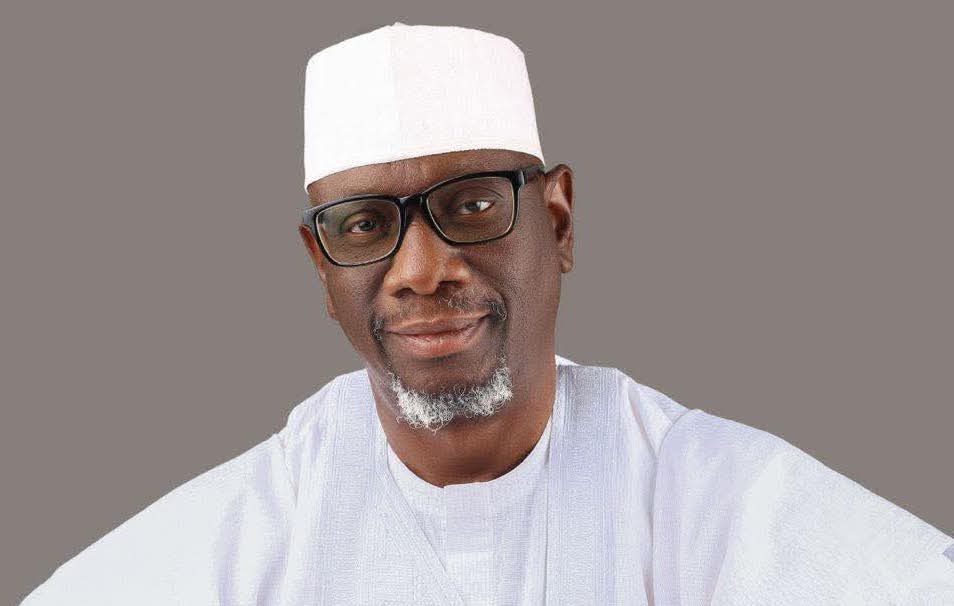
Speaking at a pre-conference briefing in Lagos yesterday, Chairman, Central Planning Committee of the 2026 CILT National Conference, Dr Kayode Oyesiku, said transport and logistics were not merely sectoral concerns but the “circulation system” of the national economy.
Oyesiku, who was represented by the Dean, School of Transport and Logistics, Lagos State University, Prof Ogochukwu Ogomma, said the performance of the transport system had a direct impact on households, businesses and the wider economy.
He said a fragmented, unsafe, costly or unreliable transport system imposed additional costs on households and enterprises, while an efficient system would deliver lower costs, higher productivity, wider market access and increased opportunities for jobs and businesses.
According to him, Nigeria must move beyond isolated transport projects and develop an integrated system in which road, rail, aviation, maritime transport, inland waterways, ports, terminals, logistics hubs and last-mile services complement one another.
Oyesiku also called for infrastructure capable of withstanding the effects of climate change, stronger institutional coordination, improved use of technology and a skilled workforce capable of responding to changes in the transport and logistics industry.
He said the 2026 CILT National Conference, themed “Transforming Nigeria’s Transport and Logistics System for Shared Prosperity and Sustainable Infrastructure,” was designed as a solution-focused platform to address the challenges confronting the sector.
He explained that the conference would bring policymakers together with regulators, operators, investors, academics, technology providers, development partners, students and young professionals to identify practical solutions and build partnerships for implementation.
“The purpose is not simply to restate the familiar problems in Nigeria. It seeks to identify priorities, clarify responsibilities, and build partnerships that can move credible ideas towards implementation,” he stated.
Oyesiku said the institute remained focused on promoting a transport and logistics system that could support sustainable infrastructure, improve economic efficiency and contribute more significantly to national development.
We’ve got the edge. Get real-time reports, breaking scoops, and exclusive angles delivered straight to your phone. Don’t settle for stale news. Join LEADERSHIP NEWS on WhatsApp for 24/7 updates →
Join Our WhatsApp Channel