The United Nations (UN) and the European Union (EU) have reviewed a portfolio of 32 development projects worth over $500 million in Nigeria, urging the federal government to mobilise more domestic resources and address critical development and humanitarian gaps.
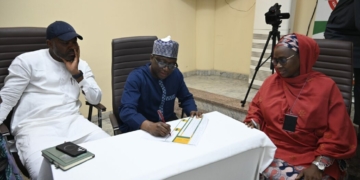
The two organisations made the call during a high-level strategic dialogue in Abuja on Thursday, aimed at strengthening the EU-UN partnership to support Nigeria’s development priorities and deliver lasting benefits to citizens.
They emphasised the need for closer cooperation to address the country’s development and humanitarian challenges, particularly in governance, democracy, human rights, security and education.
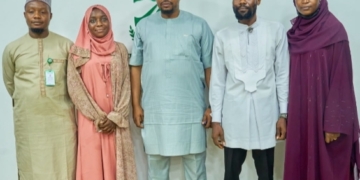
Speaking at the dialogue, the UN Resident and Humanitarian Coordinator in Nigeria, Mohammed Fall, and the Head of the EU Delegation to Nigeria and ECOWAS, Gautier Mignot, pledged to improve the implementation of joint initiatives and strengthen their collective impact across the country.
Fall said the EU-UN partnership had supported projects worth about $400 million in Nigeria, demonstrating the scale of cooperation between the two organisations in advancing the country’s development objectives.
“There is already a global partnership between the EU and the UN, one of the biggest supporters of the UN beyond financial support, which in Nigeria translates into projects valued at $400 million,” he said.
He explained that the strategic dialogue provided an opportunity for both organisations to review existing commitments, identify areas requiring improvement and address challenges that could undermine the effectiveness of their partnership.
Fall stressed that achieving Nigeria’s development objectives would require stronger collaboration with the federal government, particularly in mobilising domestic resources and increasing government participation in addressing development gaps.
“We need to work together and have the Nigerian government increase its engagement and mobilisation of domestic resources to tackle the development gaps, as well as humanitarian assistance needs in the country,” he said.
He added that the government needed to complement international development assistance with stronger domestic financing and greater ownership of development programmes.
Also speaking, Mignot identified education, governance, democracy, human rights and security as priority areas of the EU-UN partnership, stressing that progress in these sectors was essential to the success of development investments.
He said cooperation between the two organisations was critical to combining financial resources with technical expertise and political experience to support programmes that addressed Nigeria’s needs.
Mignot disclosed that the EU’s project portfolio in Nigeria comprised about 32 initiatives implemented in collaboration with 16 UN agencies, with funding exceeding $500 million.
“We have reviewed our portfolio of projects, some 32 projects, more than half a billion dollars of EU-funded projects working with 16 UN agencies,” he said.
He explained that the partnership combined EU financial contributions and grants with the UN’s technical expertise, political experience and operational presence across the country.
According to him, the collaboration would strengthen programme implementation, improve coordination among participating institutions and ensure that development investments delivered meaningful results for Nigerians.
Mignot added that the partnership extended beyond cooperation between the EU and the UN to include Nigerian authorities at both federal and state levels.
We’ve got the edge. Get real-time reports, breaking scoops, and exclusive angles delivered straight to your phone. Don’t settle for stale news. Join LEADERSHIP NEWS on WhatsApp for 24/7 updates →
Join Our WhatsApp Channel