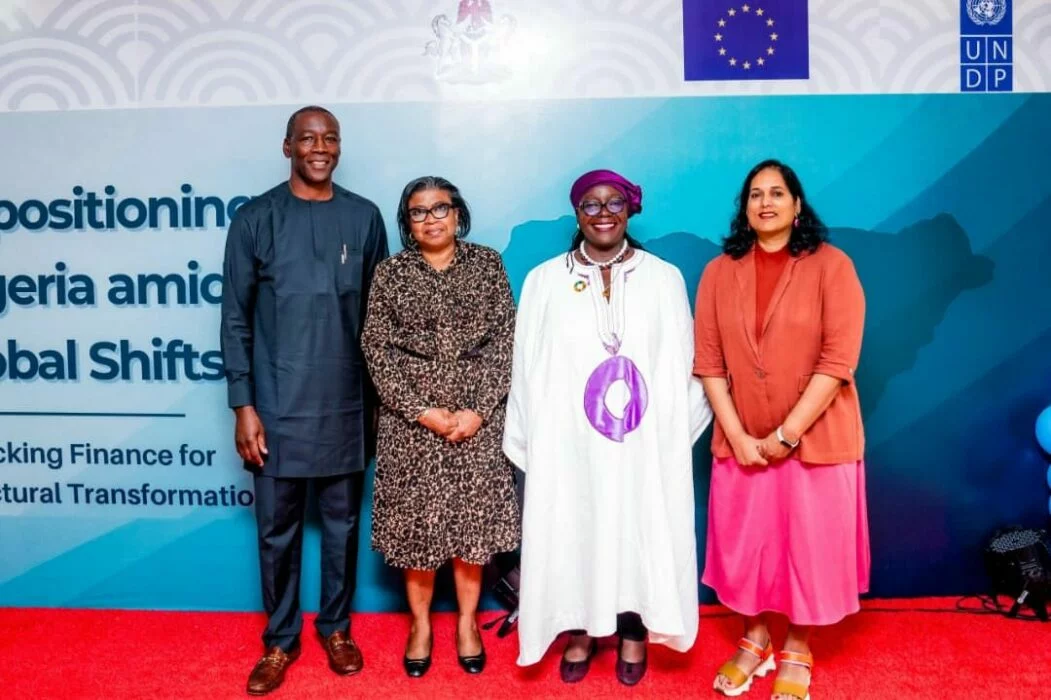
The United Nations Development Programme (UNDP) has expressed concern that most African countries lacked a proper understanding of the credit rating process and the type of data required to improve their ratings.
UNDP Chief Economist and Head of Strategy, Analysis and Research for Africa, Dr. Raymond Gilpin, made this known on Tuesday in Abuja during a dialogue with key institutions themed ‘Navigating Credit Ratings and the Price of Risk: Unlocking Affordable Capital for Nigeria’.
Gilpin said that while many African nations are familiar with working with the International Monetary Fund (IMF) and the World Bank, they often struggle to grasp the distinct requirements of credit rating missions.
“Many African countries don’t fully understand the process. They are more accustomed to dealing with the IMF and the World Bank. They know how to prepare for those missions.
“Credit ratings missions are different and more specific, and so understanding the process and what sort of data is necessary for the credit ratings is very important,” he said.
He identified three major challenges facing African countries in improving their ratings — lack of understanding of the process, insufficient and inconsistent data, and poor interagency coordination.
“It’s not just financial and economic data, it’s also institutional, regulatory and governance data. Many governments don’t collect all of that data. Even when they have it, they don’t always share it,” Gilpin noted.
“That leaves a gap in the analysis. Getting governments ready and able to prepare the data and then make it available in a timely and reliable way is a key challenge.”
He further emphasised that a coordinated approach among ministries, departments, and agencies (MDAs) was essential to ensure data, policies, and narratives remain consistent.
“Preparing for credit ratings requires many government agencies to come together to ensure that the data, the policy frameworks, and the narrative are all consistent.
“Many countries do not have an interagency committee to do that, and because of that, it leaves the credit ratings agencies with some doubt about how credible a country’s story is,” he said.
Explaining the process of rating a country, the UNDP economist said it involves three main phases. These are data assessment, committee deliberation, and government review.
“First, they look at the data that says how the economy is being managed, how it’s performing, what sort of institutions and laws enable the private sector, and what governance looks like. Those indicators are calculated to give the initial rating,” he said.
“After that, they discuss the results in a committee to assess credibility, reforms, and future prospects. If the discussion is positive, the initial rating could be improved; if negative, it could be reduced.
“Once that is done, the rating goes to the government for review before being published as the final rating to the world.”
We’ve got the edge. Get real-time reports, breaking scoops, and exclusive angles delivered straight to your phone. Don’t settle for stale news. Join LEADERSHIP NEWS on WhatsApp for 24/7 updates →
Join Our WhatsApp Channel