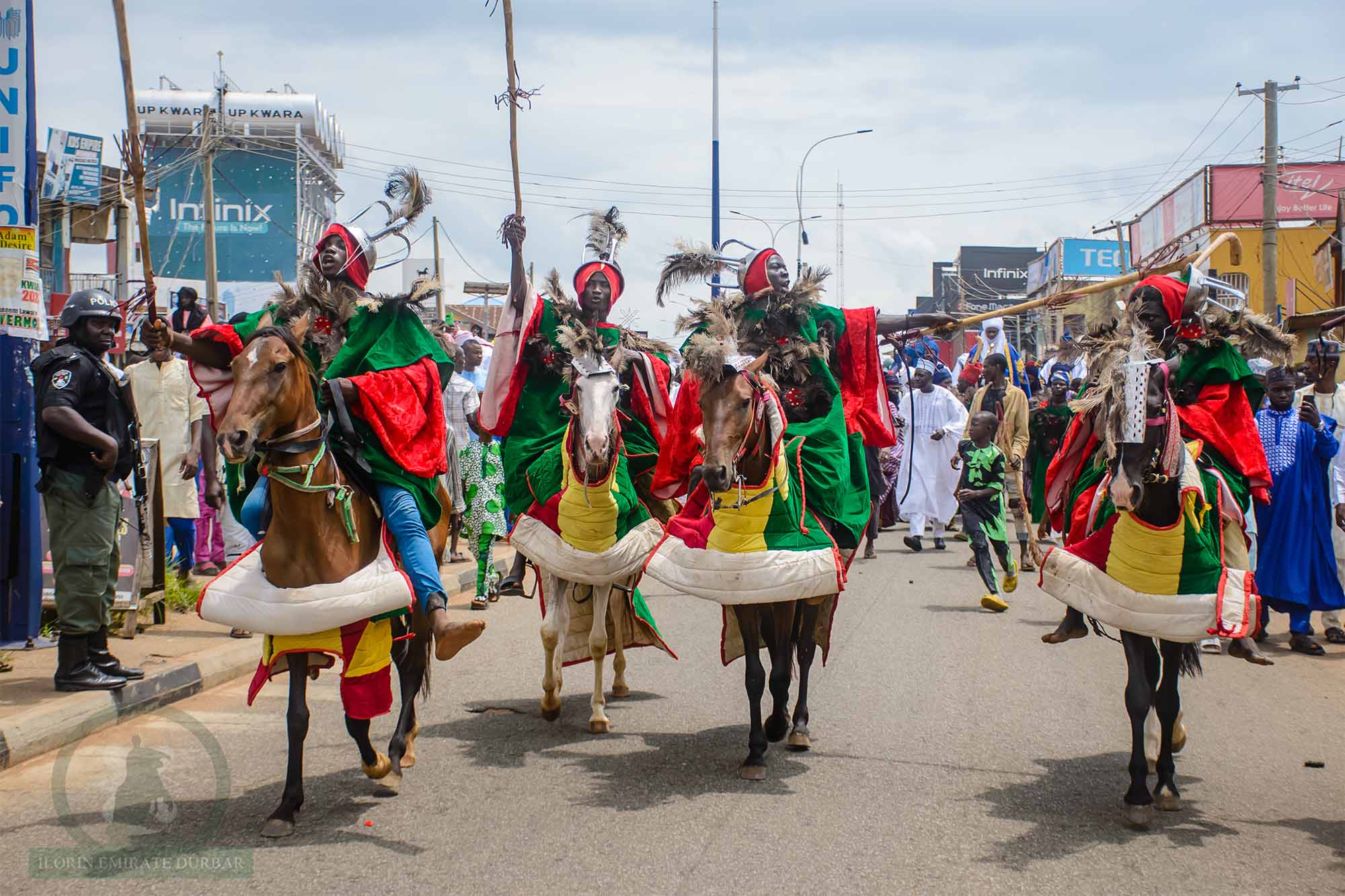
The organisers of Kanem-Borno Cultural Summit have asked the United Nations Educational, Scientific and Cultural Organisation (UNESCO) to grant World Heritage status to the Borno Durbar, citing its cultural value and relevance to peacebuilding in the Lake Chad region.
The summit brought together about 4,000 participants and 168 traditional rulers and titleholders from Nigeria and other African countries, including Chad, Cameroon, Niger, Ghana, Benin, Gabon, Guinea, and Libya. It was a massive turnout, and participants hailed it as unprecedented.
The event, themed “Harnessing Culture for Peace and Regional Stability,” achieved several impressive milestones, marking the revival of traditional arts, music, attire, and language, as well as the strengthening of traditional institutions across national borders.
The appeal for the recognition of Borno Durbar was made in Maiduguri on Wednesday during a press briefing to mark the end of the Kanem-Borno Cultural Summit and Festival.
Chairman of the Summit, Zanna Hassan Boguma, stated that the stakeholders also urged international cultural institutions to support the Kanem-Borno Cultural Summit as a platform for regional cooperation, unity, and cultural diplomacy.
The Chairman, who is the Zanna Boguma of Borno, said, “The summit achieved significant milestones in the preservation of Kanem-Bornu culture, including the revival of traditional arts, music, attire and language, as well as the strengthening of traditional institutions across national borders.
“Stakeholders resolved to make the Kanem-Borno Cultural Summit and Festival a recurring event, establish a standing cultural committee and promote greater participation of youths, women and the diaspora to ensure sustainability.
“We respectfully call on UNESCO and other international cultural institutions to recognise the Borno Durbar as a world cultural heritage and to support the Kanem-Borno Cultural Summit as a flagship African initiative for peace building, cultural cooperation, and regional integration.”
Boguma lauded Borno State Governor Babagana Umara Zulum, whose visionary leadership, unwavering support, and consistent guidance were central to the successful planning and execution of the summit.
He also commended Governor Mai Mala Buni of Yobe State for his support and solidarity at the summit, and extended gratitude to the Shehu of Borno, Alhaji Abubakar Ibn Umar Garbai Elkanemi, for his fatherly blessings, royal guidance, and steadfast support.
The Chairman of the Summit appreciated His Eminence, Alhaji Muhammad Sa’ad Abubakar, the Sultan of Sokoto, for honouring the summit by attending the grand Durbar ceremony, saying that his presence reaffirmed the historic bonds between the Sokoto Caliphate and the Kanem-Borno civilisation.
The summit represented a deliberate effort to rebuild transnational kinship networks based on a shared identity, and consequently, to create a supportive global community that can tackle challenges collaboratively, invest in shared development and ensure that the illustrious legacy of Kanem-Borno continues to inspire future generations.
The occasion featured dance performances and cultural displays by contingents from different countries.
The Kanem-Borno Empire was one of the most significant and enduring empires in African history. It flourished for over 1,000 years, roughly from the 9th to the 19th century in the region around Lake Chad, encompassing parts of present-day Nigeria, Chad, Niger, Cameroon and Libya.
We’ve got the edge. Get real-time reports, breaking scoops, and exclusive angles delivered straight to your phone. Don’t settle for stale news. Join LEADERSHIP NEWS on WhatsApp for 24/7 updates →
Join Our WhatsApp Channel