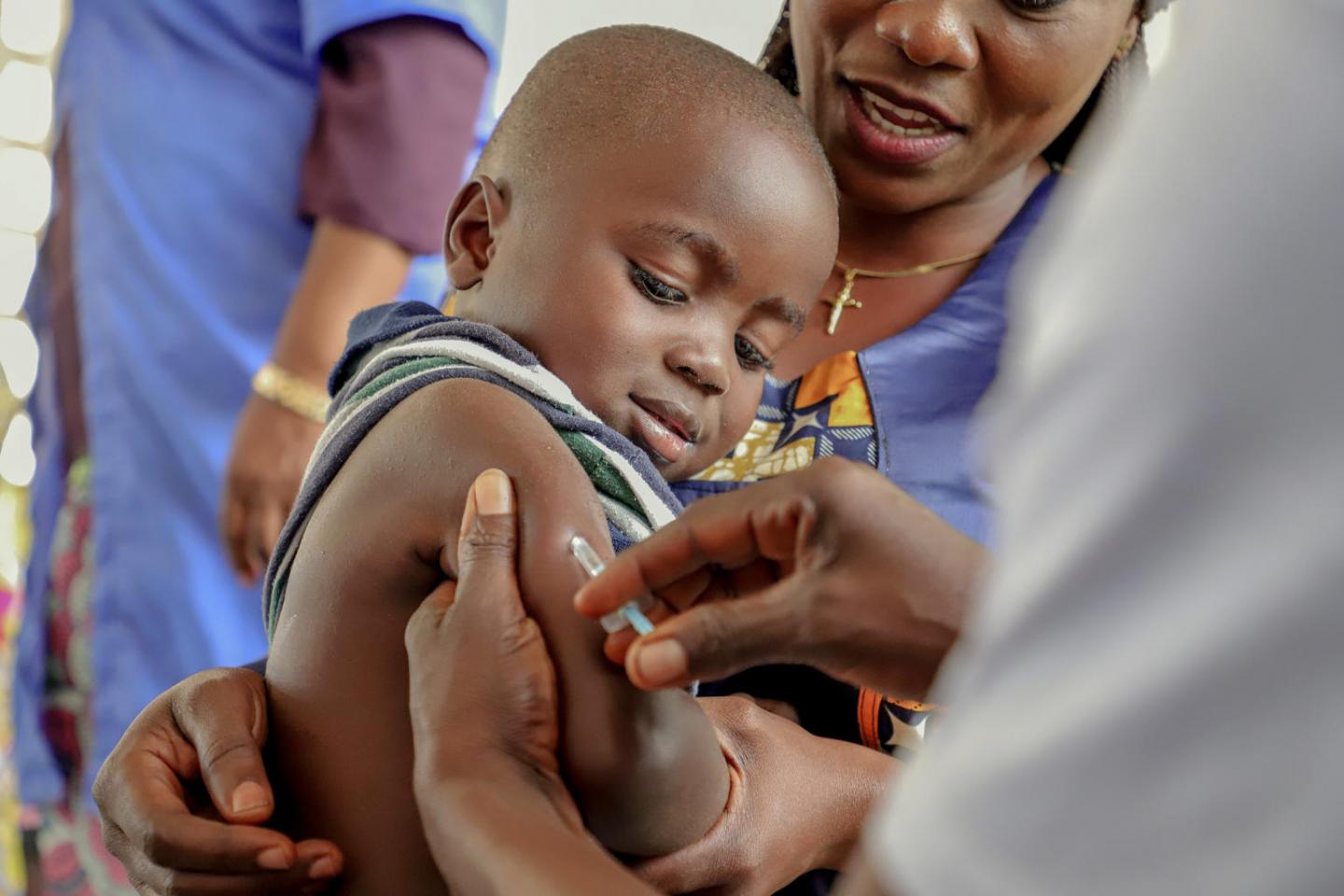
The United Nations Children’s Fund (UNICEF) has reaffirmed that vaccines have saved millions of lives over the past decades and remain one of the most effective tools for protecting individuals, families, and communities.
The Chief of UNICEF’s Bauchi Field Office, Dr. Nuzhat Rafique, made this known yesterday while speaking with journalists as part of activities marking World Immunization Week 2026, themed: “For Every Generation, Vaccines Work.”
She noted that the success recorded over the years is largely due to parents and caregivers who have chosen to protect their children against preventable diseases such as measles, diphtheria, pertussis, polio, and rotavirus.
Rafique added that newer vaccines targeting diseases like malaria, HPV, cholera, dengue, meningitis, RSV, Ebola, and mpox are expanding protection and saving even more lives.
However, she expressed concern that recurring outbreaks indicate many children, especially those in hard-to-reach, border, and underserved communities, are still being missed, stressing the urgent need for renewed commitment from all stakeholders.
UNICEF therefore called for strengthened routine immunisation through fixed sessions, expanded outreach to remote settlements, active engagement of community and religious leaders, addressing misinformation, and ensuring consistent vaccine availability at primary healthcare facilities.
She emphasised that vaccination remains a simple yet powerful way to save lives, noting that completing the full immunisation schedule protects both children and communities. According to her, building trust and sharing accurate information will enable families to make informed decisions for long-term protection.
Rafique further highlighted UNICEF’s ongoing support, which includes strengthening primary healthcare systems, revitalizing PHC facilities, training health workers, promoting community engagement, improving cold chain systems, ensuring steady vaccine supply, and expanding mobile and integrated outreach services.
She added that linking immunisation with nutrition and RMNCAH+N services is critical, stressing that every child deserves a healthy start, regardless of location.
She also underscored the importance of reaching zero-dose children to prevent outbreaks and reduce child mortality.
For his part, the Bauchi State Commissioner for Health, Dr. Sani Muhammad Dambam, described immunisation as a key pillar in delivering quality healthcare services across the state.
He said the government, under the leadership of Governor Bala Abdulkadir Mohammed, has prioritised the health and well-being of its people and continues to support the Bauchi State Primary Health Care Board and development partners to ensure the success of immunisation programmes.
Dambam noted that the ongoing rehabilitation of primary healthcare facilities across the state has significantly improved access to routine immunisation services.
He further stated that Bauchi has maintained strong partnerships with organisations such as UNICEF, the Aliko Dangote Foundation, and the Gates Foundation, backed by Memoranda of Understanding. He added that the state government has contributed over N872 million in counterpart funding to support immunisation services.
He reaffirmed the state government’s commitment to achieving universal immunisation coverage through sustained collaboration with stakeholders, in line with the governor’s vision.
We’ve got the edge. Get real-time reports, breaking scoops, and exclusive angles delivered straight to your phone. Don’t settle for stale news. Join LEADERSHIP NEWS on WhatsApp for 24/7 updates →
Join Our WhatsApp Channel