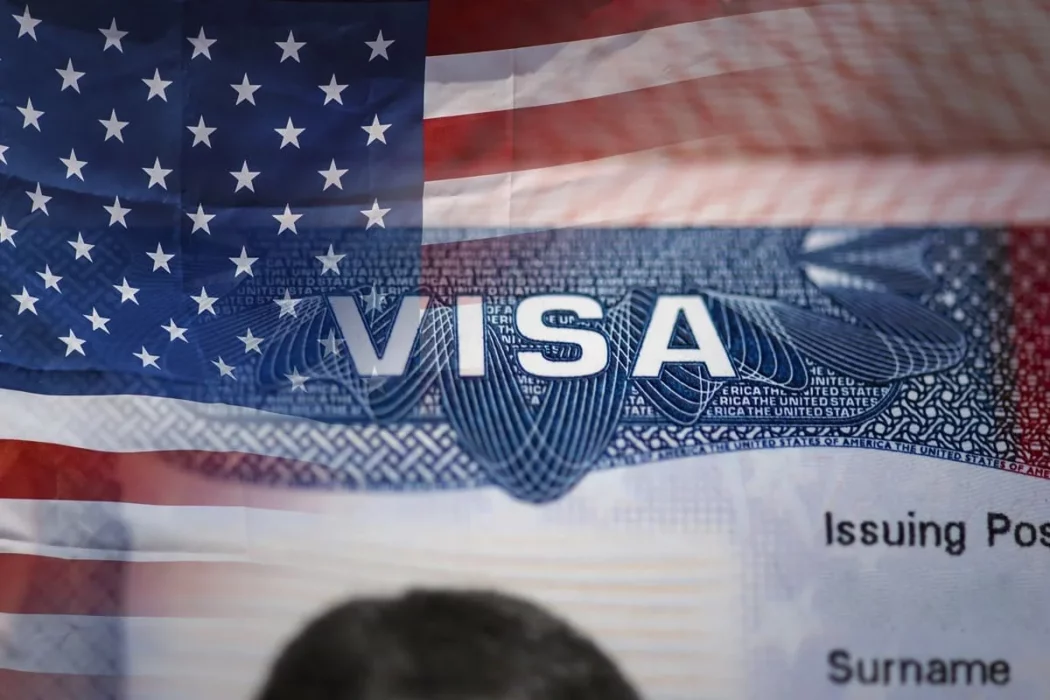
The United States Department of State has expanded its online presence review for visa applicants to cover three additional nonimmigrant visa categories from October 1, 2026.
Under the new requirement, applicants for I, TN and TD visas will be expected to set their social media accounts to “public” or “open” to enable consular officers to review their online presence as part of the visa screening process.
The Department of State announced the expansion in an update dated September 18, 2026.
The affected categories comprise I visas issued to foreign media representatives, TN visas for certain professionals from Canada and Mexico under the United States-Mexico-Canada Agreement (USMCA), and TD visas for dependants of TN visa holders.
The department said the latest measure extends an online screening process that is already applicable to applicants in several other visa categories.
These include diplomatic and official visas such as A-3, C-3, where applicable to domestic workers, and G-5 visas.
The existing review also covers student visas, including F-1, M-1, F-2 and M-2; temporary workers and trainees under H-1B and H-3 visas, as well as their H-4 dependants; and exchange visitors holding J-1 and J-2 visas.
Others are fiancé(e) and dependant visas under K-1, K-2 and K-3; international cultural exchange visas under the Q category; religious occupation visas under R-1 and R-2; and S, T and U visas for witnesses, informants and victims.
According to the department, consular officers use all available sources of information during visa screening and vetting to determine whether applicants may be inadmissible to the United States, including those considered potential threats to national security or public safety.
It said the same vetting standard applies to all visa applicants.
“Every visa adjudication is fundamentally a national security decision,” the department said, adding that the United States remains vigilant throughout the visa issuance process.
The department said the screening process is aimed at determining whether applicants pose any threat to Americans or United States interests and whether they meet the requirements for the visa category they have applied for.
Applicants are also required to demonstrate that they genuinely intend to observe the conditions attached to their admission to the United States.
The department further stated that a US visa is granted at the discretion of the government and should not be regarded as an entitlement.
We’ve got the edge. Get real-time reports, breaking scoops, and exclusive angles delivered straight to your phone. Don’t settle for stale news. Join LEADERSHIP NEWS on WhatsApp for 24/7 updates →
Join Our WhatsApp Channel