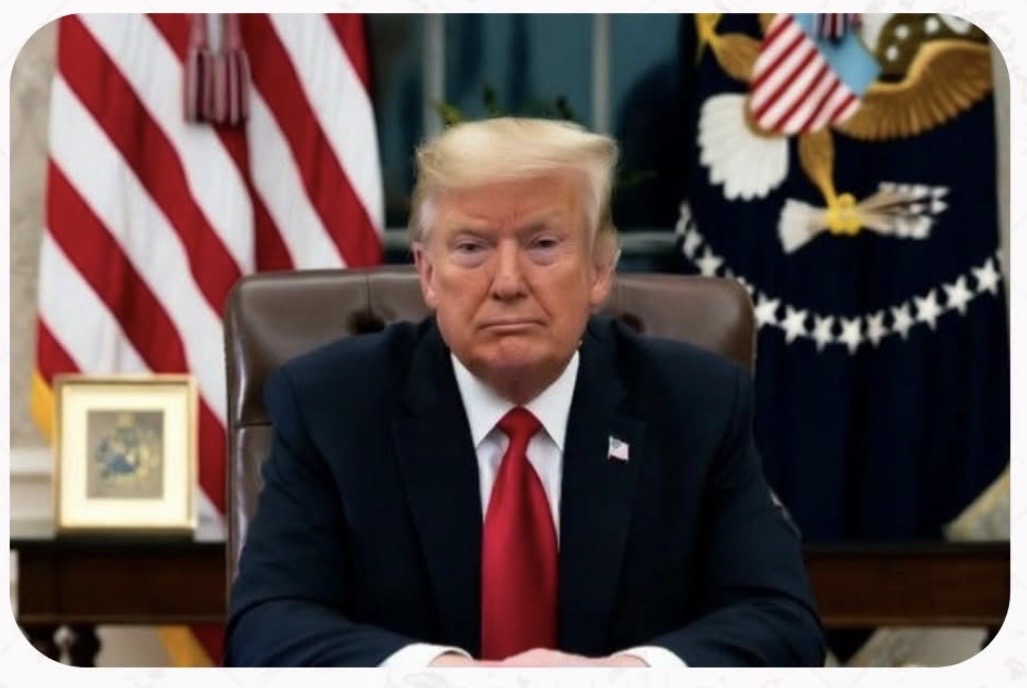
The administration of United States President Donald Trump has introduced new regulations that will significantly tighten visa rules for foreign students, exchange visitors and journalists, imposing fixed time limits on their stay in the country.
Under the new final rule issued by the Department of Homeland Security (DHS), F visas for international students and J visas for exchange visitors will now be valid for a maximum of four years, while I visas issued to foreign journalists will be limited to 240 days. Chinese journalists, however, will only be eligible for visas lasting up to 90 days.
The rule, which is expected to take effect 60 days after its publication in the Federal Register, remains subject to congressional review.
Previously, holders of these visa categories were generally allowed to remain in the United States for the duration of their academic programme, exchange programme or media assignment.
The latest policy forms part of the Trump administration’s broader immigration reforms since President Donald Trump returned to office in January 2025. The administration has intensified scrutiny of both legal and illegal immigration, including revoking student visas and permanent residency permits in some cases involving foreign students.
According to the DHS, visa holders seeking to remain in the United States beyond the approved period will be required to apply for an extension or leave the country and seek readmission.
Reacting to the new policy, China’s Ministry of Foreign Affairs condemned the decision, describing it as discriminatory.
Speaking at a press briefing in Beijing on Friday, Chinese Foreign Ministry spokesperson Lin Jian said the measure unfairly targets Chinese journalists.
The action “seriously violates the three-point consensus on media issues reached between China and the U.S. in 2021, and seriously affects the normal work of Chinese media in the U.S.”
Lin urged Washington to immediately withdraw the policy, warning that Beijing could respond with reciprocal measures.
“China reserves the right to take reciprocal countermeasures,” he said.
New Restrictions For International Students
Beyond limiting visa duration, the regulations introduce additional restrictions for international students.
Graduate students will no longer be allowed to change their educational objectives or transfer to another institution without prior authorisation. In addition, the grace period after completing academic studies or training has been reduced from 60 days to 30 days.
Former DHS official Doug Rand criticised the new regulations, arguing that they would discourage international education.
“Most Americans understand the value of welcoming international students and getting rid of needless red tape. This rule would do the opposite,” Rand said.
The DHS defended the changes, citing a sharp rise in visa admissions.
According to the department, more than 1.8 million student visa admissions were recorded in 2024, representing an increase of over 11 per cent compared to the previous year.
The agency also disclosed that the United States issued visas to more than 500,000 exchange visitors and 37,300 foreign media representatives during the 2024 fiscal year.
The department said the growing number of temporary visitors has increased the burden of monitoring compliance with immigration regulations.
It further noted that there have been several instances of students and exchange visitors remaining in the United States for decades under the existing visa framework.
Under the new policy, individuals wishing to extend their stay beyond the approved admission period must obtain DHS approval or depart the country and apply for re-entry.
We’ve got the edge. Get real-time reports, breaking scoops, and exclusive angles delivered straight to your phone. Don’t settle for stale news. Join LEADERSHIP NEWS on WhatsApp for 24/7 updates →
Join Our WhatsApp Channel