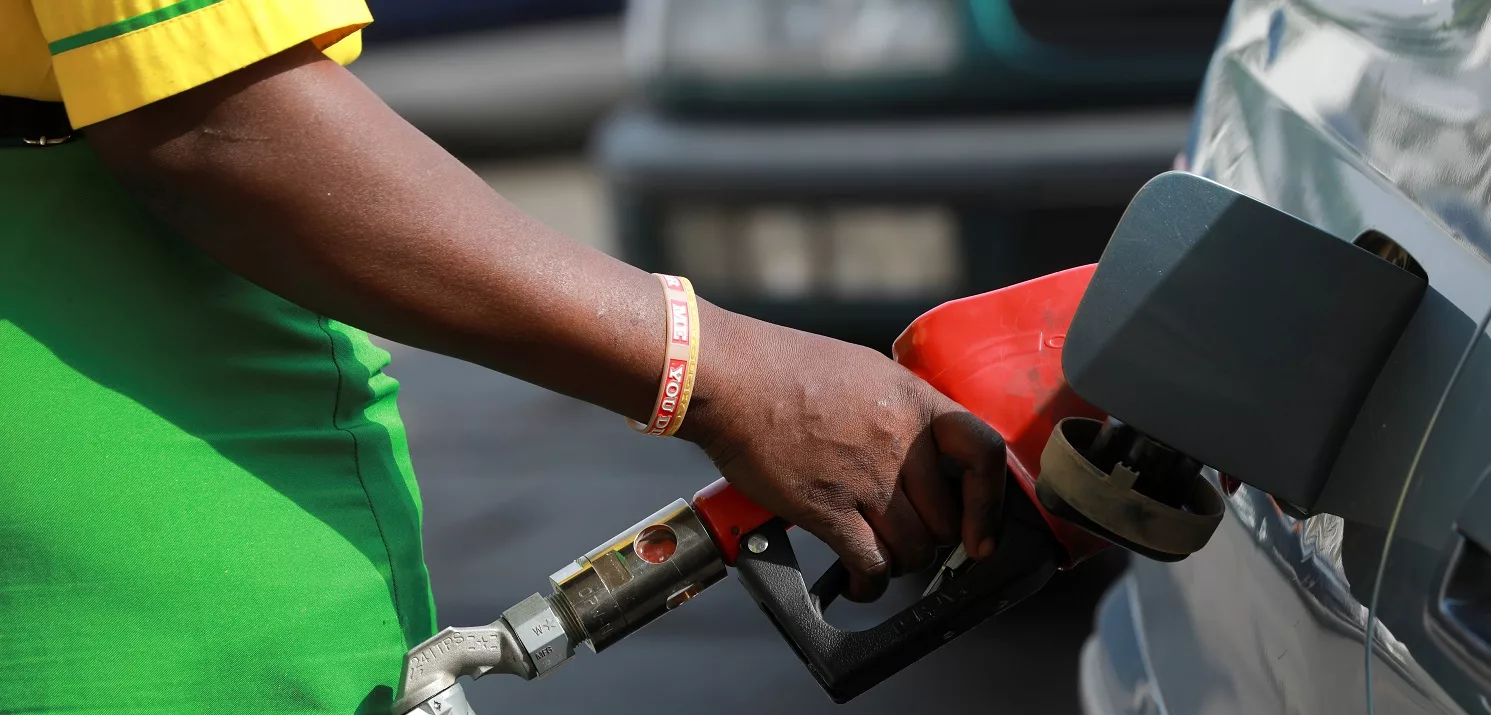
Some announcements land with the weight of history, and President of Dangote Group, Aliko Dangote’s claim that fuel queues are “gone forever” feels like one of those lines you bookmark because you’ll quote it again — either as vindication or as irony. For a country that has queued for petrol since the era of bell-bottoms and Volkswagen Beetles, hearing that the madness is over sounds almost unreal.
And wait — before anyone starts rolling their eyes — I’m not here to pour sand in anybody’s garri. A functioning refinery owned by a Nigerian, on Nigerian soil, supplying Nigerian roads, is the type of development we’ve begged for since the days when every government committee had only one solution: “set up another committee.”
So yes, it’s a win. But a win doesn’t mean you stop checking the scoreboard. Because if you listened carefully to Dangote’s remarks after meeting President Bola Tinubu, you’d notice the confidence, the caution, and a kind of quiet warning all sitting in the same breath. The man was upbeat — anyone investing $20 billion would want to defend his project — but he wasn’t naïve about the hurdles either. And that’s where the real conversation starts.
When Dangote said Nigeria had been battling queues since 1972, I had to pause. Fifty-plus years of embarrassment, avoidable chaos, and fuel scarcity jokes that practically wrote themselves. If the refinery can supply 50 million litres daily, then good — the elastic band that keeps snapping should, for once, stay unbroken.
But here’s the part that caught my attention. He said they had formally notified NMDPRA that they can handle national demand, and that “the question of getting queues is history.” You could almost hear the relief.
Still, I know this country. We once had an airport with no functioning runway lights for months and somehow flights were still landing at night. So forgive me if I wait for two, three, or four uninterrupted years before I start dancing in the streets. Call it caution, not criticism.
Dangote pointed out that smuggling hasn’t disappeared. Of course it hasn’t. If petrol is selling here at about 850 naira and next door at 1,500–1,600, you don’t need an economics degree to predict that jerrycans will start crawling across borders like ants chasing spilled sugar.
And he wasn’t dramatic about it; he was simply blunt. Smuggling is a problem of incentives. It has outlasted presidents, military regimes, subsidy regimes, and even border closures.
But at least he gave some reassurance: prices “will remain reasonable.”In Nigeria, “reasonable” is a slippery word, but coming from a man who owns the pipeline, the tank farm, and soon half the export market, it carries weight.
If you ask me, the real headline wasn’t even about petrol. It was when he mentioned that Nigeria would be able to produce 15–20 million litres more than we consume by February — meaning we’ll be exporting, not just surviving.
There’s something quietly symbolic about that. For decades we exported crude like a country renting out its bedroom and sleeping in the corridor. Now, for once, we might be refining for ourselves and selling the leftovers.
He also talked about plastic manufacturers who previously spent $350–$400 million importing raw materials — money that was basically evaporating into thin air every year. That’s the kind of detail that reminds you the fuel conversation has always been bigger than fuel. And Then That Line: “Importing anything is importing poverty.”
You could see the philosophy behind his empire in that one sentence. And you don’t have to agree with every part of it, but you can’t deny the logic behind local industries needing oxygen.
I’ve always said the Nigerian elite has a curious addiction to foreign solutions — foreign doctors, foreign universities, foreign consultants, foreign bottled water, even foreign political inspiration. Meanwhile, the countries they idolise built their economies by backing domestic giants and refusing to be dumping grounds.
So yes, hearing someone with actual skin in the game insisting that Nigeria’s wealth must come from Nigerians didn’t sound like patriotism-for-TV. It felt more like a man stating the obvious.
When Dangote praised President Tinubu’s “genius thinking” on the naira-for-crude deal, I smiled. We rarely call anything “genius” in this country unless a politician is attending a thanksgiving service, but you could tell he meant it.
Nigeria has spent decades strangling its industries by forcing them to buy crude in dollars. A refinery sitting in Lagos shouldn’t be fighting for the same foreign exchange as a sneaker importer in Apapa. That policy was begging for chaos.
Shifting crude sales to naira may be the most quietly important reform we’ve done in years — and, ironically, one we hardly debated because everyone was too busy arguing about politics on television.
Dangote said something that didn’t trend, but it’s probably the most important thing he said in the entire conversation: “Some international oil companies are not willing to sell crude to us… It’s a teething problem.”
That’s the line a lot of Nigerians will skip past. I didn’t. If the refinery is to run at full capacity, local crude supply must be stable. If key producers drag their feet, pretend not to hear the phone ring, or suddenly discover “logistics issues,” the refinery will have to look outward — and once you start importing crude, prices climb, margins shrink, and the whole promise of cheap domestic petrol gets shaky.
Again, I’m not criticising him. I’m simply saying the road to “no more queues” isn’t empty. There are potholes.
He mentioned Apapa and Tincan being stuffed like overpacked suitcases, which is no lie. Lagos ports have been operating beyond their intended capacity for years. It’s why clearing goods sometimes feels like waiting for rain in harmattan.
The Olokola Deep Sea Port project might be one of those things that changes the logistics map of this country. If it’s delivered in two and a half years, as he promised, it will take pressure off Lagos and open up new corridors for exports — especially minerals, which he mentioned.
This is the part of industrialisation nobody talks about because ports don’t trend on X.But ports decide whether your economy grows or limps.
The one statement Nigerians will argue about for weeks. Dangote said, “If you have money for a Rolls-Royce, you should go and put up an industry.”
I know some people will call it moralising. Others will say wealth is a personal choice. But the truth? That line wasn’t aimed at the ordinary Nigerian. It was a message to the billionaire class — the ones who prefer to import champagne instead of factories.
If even 10% of Nigeria’s wealthy took that advice, this country would look different in five years.
So no need for fireworks today.
No jeremiads. No “the country is finished” sermon.
What we have is progress — fragile progress, yes — but progress all the same. A refinery that works.A billionaire who isn’t begging the government for exclusive protection.
A president willing to trade crude for naira.A potential end to the national humiliation of fuel queues.
Are there problems? Of course. Are there risks? Absolutely. Should we watch closely? Better believe it.
But for once, the national story isn’t written in pessimism. It’s written in possibility.
We’ve got the edge. Get real-time reports, breaking scoops, and exclusive angles delivered straight to your phone. Don’t settle for stale news. Join LEADERSHIP NEWS on WhatsApp for 24/7 updates →
Join Our WhatsApp Channel