
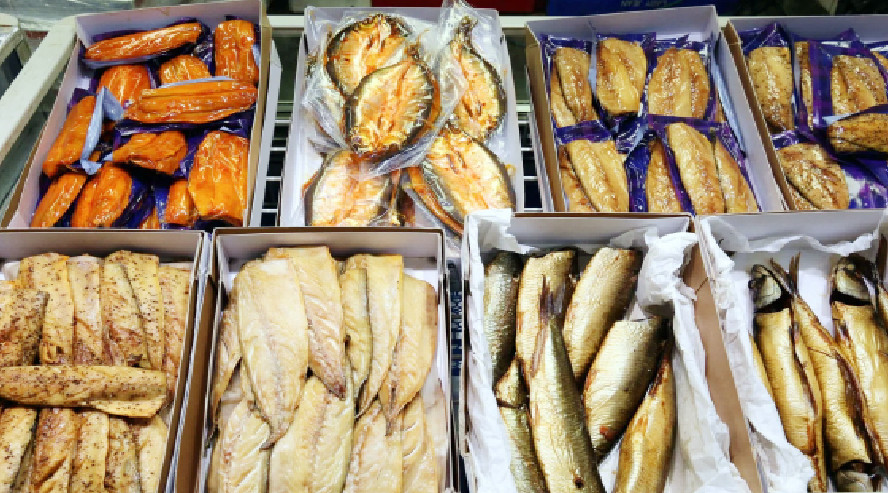
Nigeria’s modern smoked fish industry is emerging as one of the most lucrative opportunities in the country’s food value chain, attracting investors seeking profitable ventures in agriculture and food processing.
Industry stakeholders say the transition from traditional fish-drying methods to modern processing, packaging and branding has elevated smoked fish into a premium product, generating higher returns for investors while meeting rising demand from households, restaurants, supermarkets and export markets.
The founding partner of Adeife Homestead, Gift Oluwatosin said investors who embrace modern fish-processing techniques stand to benefit from rising consumer demand for hygienic, ready-to-use fish products.
According to her, processors who have adopted modern drying technologies and improved packaging methods are earning between three and five times more per kilogram than operators relying on conventional sun-drying methods.
She noted that the modern smoked fish business offers multiple income streams, as fish can be sold fresh, smoked, grilled, spiced or processed into various value-added products.
“When it comes to selling fish, there are various options to consider. You can choose to offer it fresh, or explore different methods such as smoking, grilling, or selling it in a spiced form. These diverse approaches provide excellent opportunities to maximize profit,” she said.
Oluwatosin explained that unlike many agricultural products that require immediate disposal after harvest, fish offers processors greater flexibility.
“Instead of selling your catch immediately, you can let the fish grow, grill them for seasonal markets, or properly dry them for storage. If handled correctly, smoked fish can have a long shelf life, allowing you to take advantage of peak pricing seasons,” she added.
Analysts attribute the sector’s growing attractiveness to increasing urbanisation, changing consumer preferences and the demand for convenient food products.
Modern smoked fish products are now commonly sold in supermarkets, online stores and specialty food outlets, where consumers are willing to pay premium prices for quality, convenience and food safety.
Nigeria’s huge fish consumption market further strengthens the business case. With the country spending hundreds of millions of dollars annually on fish imports, local processors are increasingly filling supply gaps with locally sourced and value-added fish products.
According to Oluwatosin, processing fish before sale significantly boosts profitability because consumers are willing to pay more for products that are cleaned, smoked, packaged and ready for cooking.
“For example, the processed dried catfish that Adeife Homestead offers is already grilled and dried, making it appealing to end-users seeking quality products,” she said.
Experts say the modern approach succeeds because it addresses many of the challenges associated with traditional smoking methods, including contamination, spoilage, inconsistent quality and limited shelf life.
Traditional smoking often produces fish that is excessively charred and vulnerable to contamination from dust, insects and weather conditions. Modern smoking kilns, however, provide controlled drying environments that improve product quality, appearance and safety.
Investors entering the sector are increasingly deploying gas-powered and improved charcoal smoking kilns that produce cleaner, golden-brown smoked fish with longer shelf life. These systems also reduce post-harvest losses and improve operational efficiency.
Operators note that value addition remains the key driver of profitability. It typically takes between three and four kilograms of fresh catfish to produce one kilogram of properly dried smoked fish. The processing and packaging stages create opportunities to earn substantially higher margins than selling fresh fish alone.
Beyond processing, branding and packaging have become major differentiators in the market. Modern smoked fish is increasingly packaged in vacuum-sealed bags and branded containers that preserve freshness, prevent insect infestation and enhance market appeal.
Such packaging enables producers to access supermarkets, hotels, restaurants and corporate customers who demand quality assurance and consistent supply.
Marketing opportunities also continue to expand. Urban consumers increasingly prefer neatly packaged, ready-to-cook products that save preparation time.
Restaurants, food vendors and hospitality businesses require reliable supplies of smoked fish for local delicacies, creating a steady source of demand.
The international market presents an even bigger opportunity. Nigerian smoked catfish remains highly sought after among diaspora communities in countries such as the United Kingdom and the Netherlands, where demand for authentic African food products continues to grow.
Oluwatosin said the business offers a viable alternative for investors seeking opportunities within the agricultural sector.
“Modern dry fish business presents a promising opportunity for anyone considering entering the industry. Its potential for success, especially in Nigeria, where traditional livestock farming faces challenges, is enormous. With the right approach, fish farming can be a rewarding and profitable venture,” she stated.
We’ve got the edge. Get real-time reports, breaking scoops, and exclusive angles delivered straight to your phone. Don’t settle for stale news. Join LEADERSHIP NEWS on WhatsApp for 24/7 updates →
Join Our WhatsApp Channel