An article chronicling how kidney disease has been ravaging parts of Yobe State undoubtedly gained significant traction in the media recently, even as it elicited serious public outcry.
That the piece gained traction across the country’s media does not come as a surprise. It addressed sensitive issues involving human lives lost due to the neglect of those tasked with protecting and providing for them.
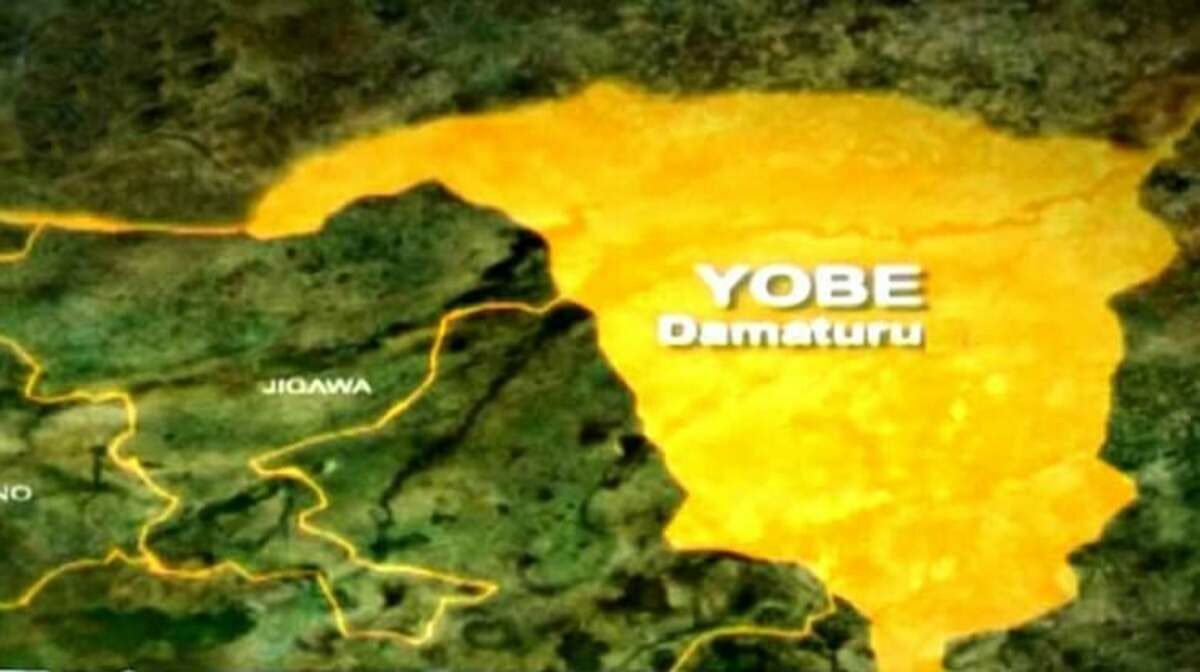
Many lives have been lost, and more are at risk across communities in Bade and Jakusko local government areas as they continue to consume water contaminated with various substances, predominantly heavy metals, leading to chronic kidney diseases.
Apparently concerned about the recurring deaths and ongoing health issues across the affected councils, the state government had launched an investigation to determine the underlying causes.
The investigation conducted by the Biomedical Science Research and Training Centre (BIORTC) of the state-owned university in Damaturu linked the rising mortality and morbidity in the affected communities to water sources contaminated with heavy metals.
Experts have stated that heavy metal water pollution occurs when toxic metals, such as lead, mercury, arsenic, and cadmium, contaminate water from industrial waste, mining, agriculture, and natural sources. This poses significant risks to ecosystems and human health, including organ damage, cancer, and neurological issues. Additionally, there are also diarrhoea diseases like cholera, typhoid, and dysentery.
In their findings, the researchers point to the River Yobe as the major water source for the people in the two affected councils for many decades, and even centuries, as the problem.
In 21st-century Yobe, the people are forced to consume untreated water from a river that is home to all manners of dirt and unimaginable, life-threatening particles due to the lack of an alternative.
In the report, people painted painful pictures of watching helplessly as their loved ones suffered from an illness and gradually died. They recounted travelling many kilometres on rough roads to access medical care where drugs and equipment are not readily available. These heart-rending revelations should prick the conscience of leaders from the area and across the state, regardless of their positions.
What roles do elected representatives and appointees from the two affected local government areas play? Why should they look the other way while those who entrusted them with their mandate die in droves from preventable incidents?
It took the intervention of the state government, which is daily overwhelmed by a myriad of problems, before an investigation was conducted to unearth the sources of the menace. The outcome of the probe, fortunately, found them guilty. They failed to meet the basic needs of their people, and the consequences are dire — the people resorted to polluted sources to quench their thirst, as they have done before, even though death lurks within.
But the BIORTC reports exposed them— the criminal neglect of their people, who are dying slowly from preventable causes. Amid this tragedy, political officeholders are busy enriching themselves and their families, while selfishly erecting walls to shield themselves from their poverty-stricken environment.
Ironically, in the same Yobe, about three to four months ago, a good Samaritan who has never held any elective position announced plans to provide water projects for communities across the state to complement the effort of Governor Mai Mala Buni’s administration in addressing water shortages in the state.
In a post on his social media handle that went viral, the oil and gas lawyer and diplomat, Kashim Musa Tumsah, disclosed that phases of water projects using solar-powered boreholes were organised with his friends as a way of thanking Allah for allowing him to experience another birthday.
To commend the commendable efforts of the Governor Mai Mala Buni-led administration and to express my gratitude to Almighty Allah for granting me the opportunity to see another birthday, my friends and I are calling on all Yobe State citizens to participate in the next phase of our water provision project for Yobe communities.
“The water project, which is part of the Light Up Yobe Initiative, aims to provide communities in urgent need with solar-powered boreholes,” the post said.
It is heartening that many communities selected for the projects are now experiencing an uninterrupted water supply.
Before that birthday gesture, Tumsah had rallied his friends and associates to illuminate Yobe with solar streetlights through his Operation Light Up Yobe project. This included providing access to portable water through solar-powered boreholes, empowering the youth, and bringing relief to the poor and vulnerable, among other interventions.
His “Operation Light Up Yobe Initiative”, which he plans to replicate across the state, complements the power supply efforts of Governor Mai Mala Buni’s administration, which has made a significant impact in the state.
The intervention in education involves providing scholarships to indigent students to ease their educational expenses, covering WAEC and NECO fees, and purchasing JAMB forms to ensure that talented students from low-income backgrounds can access higher education, among other initiatives.
Yobe, ravaged over many decades by insurgency activities causing extensive destruction of infrastructure, social amenities, and worsening poverty among its people, requires interventions like those listed above by well-meaning, influential, and affluent members of society to support the efforts of the state government.
However, elected representatives and political officers are expected to take their responsibilities to citizens and communities seriously. The fortune of a state that ranks third in the country’s political hierarchy, such as the President of the Senate, should have changed significantly by now.
The same state has also produced influential figures in both chambers of the national assembly with lucrative portfolios in the past. Yet the high mortality and morbidity rates caused by the polluted River Yobe escaped the attention of these highly placed gentlemen while they held sway in their respective positions previously.
Their voices fell silent in their respective chambers, while at the bank of the river back home, the corpses piled up for unverifiable reasons.
They knew their people drank from the river and understood that the water was untreated. Yet they failed to influence a water project that could resolve the issue, not with their own resources but with federal funds. They could not initiate a tertiary or even second-tier hospital project with facilities capable of diagnosing the diseases causing deaths in the Bade and Jakusko local government areas.
However, in the same national assembly, Senator David Mark successfully secured the establishment of the Federal University of Health Sciences in Otukpo; he also influenced the construction of a federal government road linking Oweto through Nasarawa to his community, among other initiatives. In Yobe, the Bade and Jakusko saga will remain a persistent sore that pricks our collective conscience.
Yusuf writes from Maiduguri
We’ve got the edge. Get real-time reports, breaking scoops, and exclusive angles delivered straight to your phone. Don’t settle for stale news. Join LEADERSHIP NEWS on WhatsApp for 24/7 updates →
Join Our WhatsApp Channel