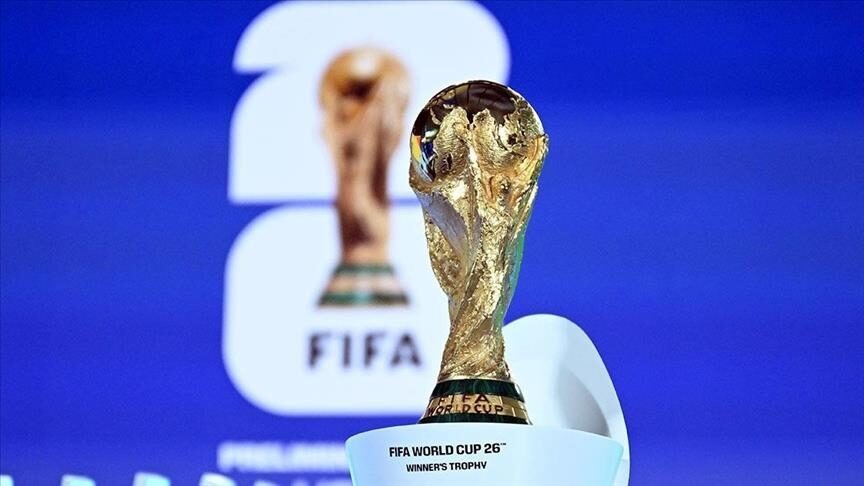
When the final whistle sounded at the MetLife Stadium and Spain were crowned champions of the 2026 FIFA World Cup after defeating Argentina in extra time, the football world celebrated the end of another unforgettable chapter in the sport’s rich history. Records were broken, heroes were made, underdogs defied expectations, and billions of people across every continent shared moments of joy, excitement and heartbreak.
Yet, as the confetti settled and the celebrations faded, another reality emerged. The 2026 FIFA World Cup was not merely a football tournament. It became a mirror reflecting the strengths and weaknesses of modern football, the contradictions of globalisation, and the widening gap between FIFA’s lofty ideals and the realities confronting players, supporters and participating nations.
Without doubt, the first-ever 48-team World Cup was an overwhelming sporting success. But success should never silence scrutiny. Football deserves honest conversations just as much as it deserves celebrations.
Before a ball was kicked, critics condemned FIFA’s decision to expand the World Cup from 32 to 48 teams. Traditionalists warned that the competition would become bloated, group matches would lose quality, weaker nations would suffer humiliating defeats, and commercial interests had overtaken sporting integrity.
Fortunately, the tournament largely proved those fears wrong. Instead of lowering standards, the expanded format produced fresh narratives. More nations experienced football’s biggest stage. New rivalries emerged. Lesser-known players introduced themselves to the world. Several supposedly smaller football nations competed with courage and tactical discipline against established powers.
The additional places particularly benefited Africa, Asia and CONCACAF, giving developing football nations opportunities that had previously remained out of reach.
For decades, FIFA had preached football development while limiting participation. The 2026 World Cup finally aligned its rhetoric with reality. This was perhaps FIFA’s greatest achievement as football became more representative of the world it claims to serve.For African football, the tournament represented another significant milestone.
Morocco once again demonstrated that its remarkable run to the semi-finals in Qatar 2022 was no fluke. Senegal displayed resilience, Egypt impressed with disciplined organisation, while Algeria, Ghana, Cape Verde, Côte d’Ivoire and DR Congo all produced performances that earned global respect.
Although no African nation reached the last four, the continent showed something arguably more important—depth. African football is no longer dependent on one exceptional generation or one extraordinary team. Multiple nations now possess tactical sophistication, quality coaching and technically gifted players capable of competing with football’s traditional powers.
However, Africa must now ask itself an uncomfortable question. Why does a continent blessed with some of the world’s finest footballers still struggle to convert enormous talent into World Cup trophies?
The answer lies beyond the football pitch. Poor administration, unstable football governance, inadequate youth development structures, corruption, poor domestic leagues and insufficient investment continue to undermine Africa’s enormous potential. Talent alone is no longer enough.
Unlike some previous World Cup winners whose paths were clouded by controversy, Spain earned universal admiration. Throughout the tournament they combined tactical intelligence, technical excellence, defensive discipline and remarkable consistency.
They adapted to different opponents without abandoning their football philosophy. Their triumph reaffirmed an old football truth. Beautiful football can still be successful.
At a time when many elite teams prioritise physicality over creativity, Spain demonstrated that technical excellence remains football’s greatest weapon. Their victory was good for the game itself.
Perhaps the tournament’s biggest off-field failure concerned immigration and visa policies. Football repeatedly describes itself as “the world’s game.” Unfortunately, many genuine participants discovered that the world’s game remains accessible only to those fortunate enough to possess the right passport.
Thousands of supporters, including officiating official, from Africa, Asia and parts of Latin America faced complicated visa procedures, prolonged delays and, in some instances, outright denials.
Some journalists, volunteers and football officials also encountered administrative obstacles before entering host countries. The irony was impossible to ignore.
Inside the stadiums, FIFA promoted equality, diversity and inclusion. Outside them, immigration policies reminded many supporters and participants alike that not every nationality enjoys equal freedom of movement. The World Cup should unite humanity.
Instead, many loyal supporters watched from thousands of kilometres away—not because they lacked passion or financial commitment, but because they lacked access. This contradiction undermines FIFA’s repeated claim that football belongs equally to everyone.
Future host nations must not only possess modern stadiums. They must also demonstrate that supporters from every participating nation will receive fair and timely access. Hosting the World Cup should never become a privilege reserved for countries whose immigration systems unintentionally exclude millions of football lovers.
If football’s global governors are serious about the World Cup as a truly shared human celebration, future tournaments will need more than new formats and bigger TV deals. They will need visa regimes that treat fans as guests rather than risks, calendars that protect players as humans rather than assets, and host strategies that invest in communities beyond the stadium walls. Otherwise, the World Cup will continue to unite the world on screen, while dividing it at the border.
For FIFA and major federations, 2026 will be framed as a success: packed stadiums, record viewing figures, blockbuster matches, and the proof that a 48‑team tournament across three countries can be logistically managed. Spain’s triumph, Argentina’s near repeat, and the resurgence of teams like England together make a compelling highlight reel that can sell future tournaments.
The expanded format has earned its place, more nations deserve opportunities, but expansion alone cannot define progress. The next phase of football’s development must focus on accessibility, affordability, transparency and fairness. Future host countries should guarantee efficient visa access for supporters from every participating nation.
History will remember the 2026 FIFA World Cup as one of the most entertaining tournaments ever staged. Spain were worthy champions.
We’ve got the edge. Get real-time reports, breaking scoops, and exclusive angles delivered straight to your phone. Don’t settle for stale news. Join LEADERSHIP NEWS on WhatsApp for 24/7 updates →
Join Our WhatsApp Channel